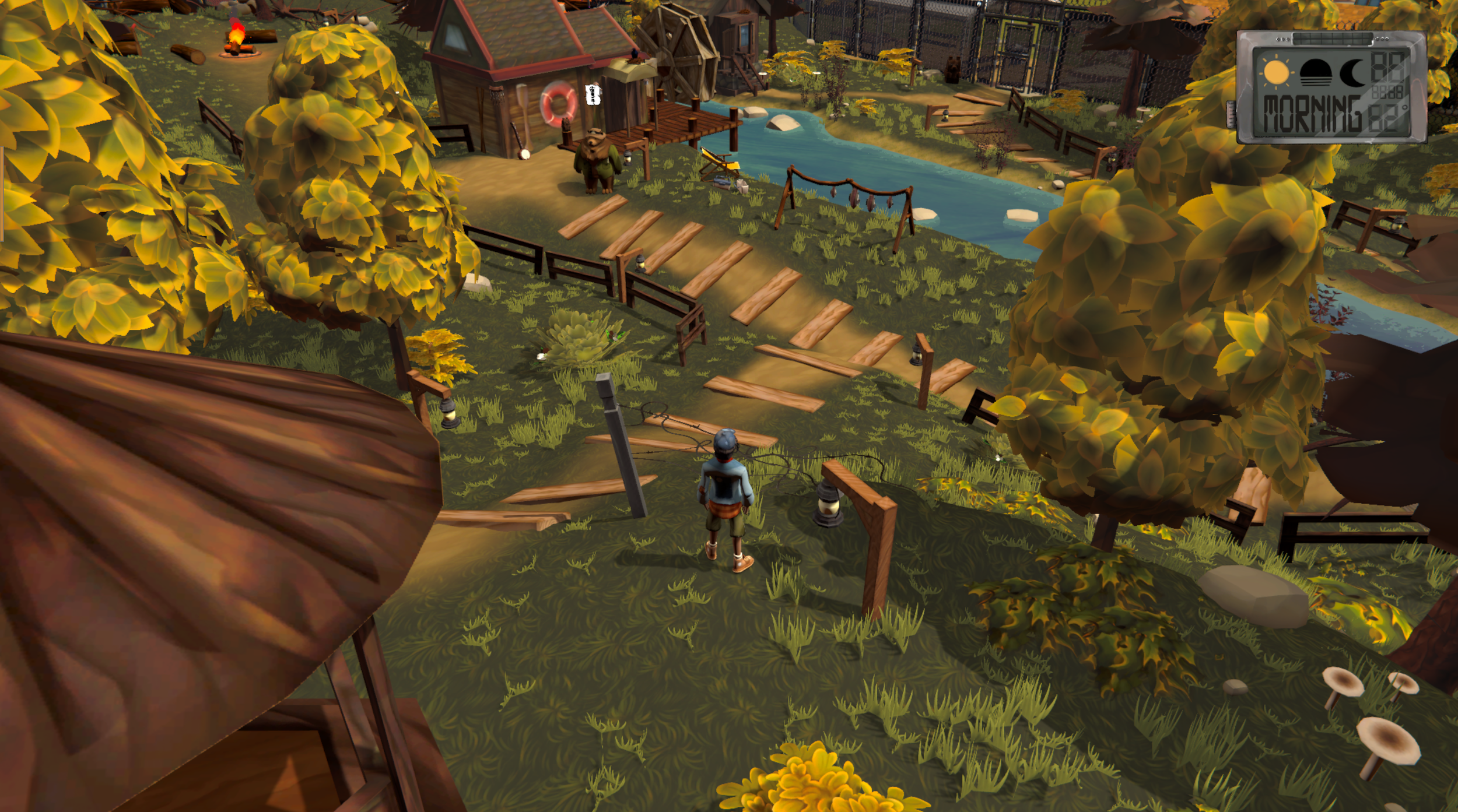
When the Crow Sings
Safe Haven Studios
When the Crow Sings is a dystopian adventure game in which you take the role of Chance, a new resident to one of the few remaining compounds in the country. There's no time to settle in, as something dark lurks around at night and threatens your safe haven.
Details:
Release Date: April 24, 2025
Team Size: 15
Position: Level Design
Engine: Unity
Version Control: GitHub
Tools: Adobe Photoshop, Ref board, Click-up
Responsibility:
Designed two levels from vertical slice to post production by creating a block out, set dressing, lighting, and creating VFX.
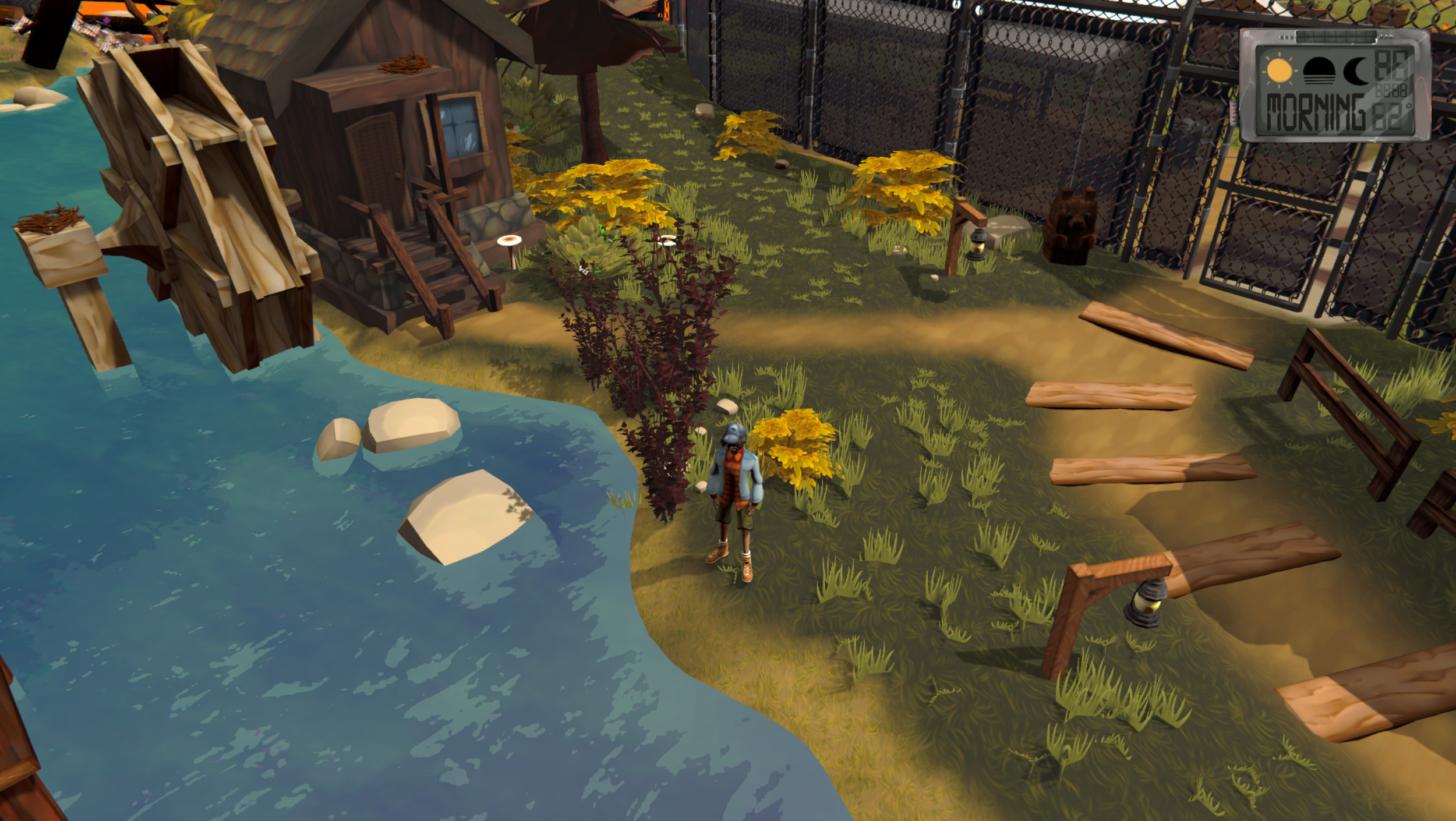
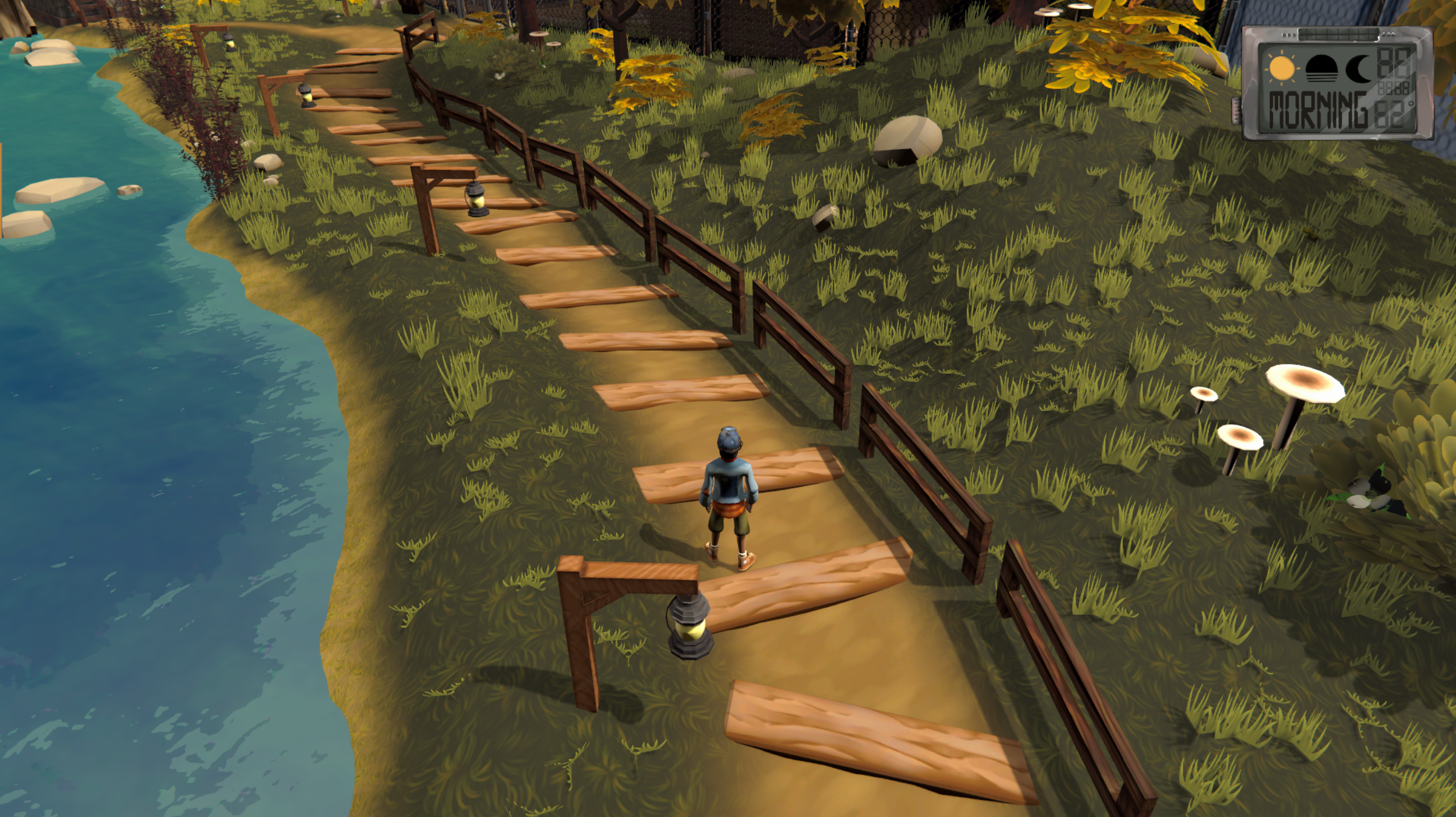
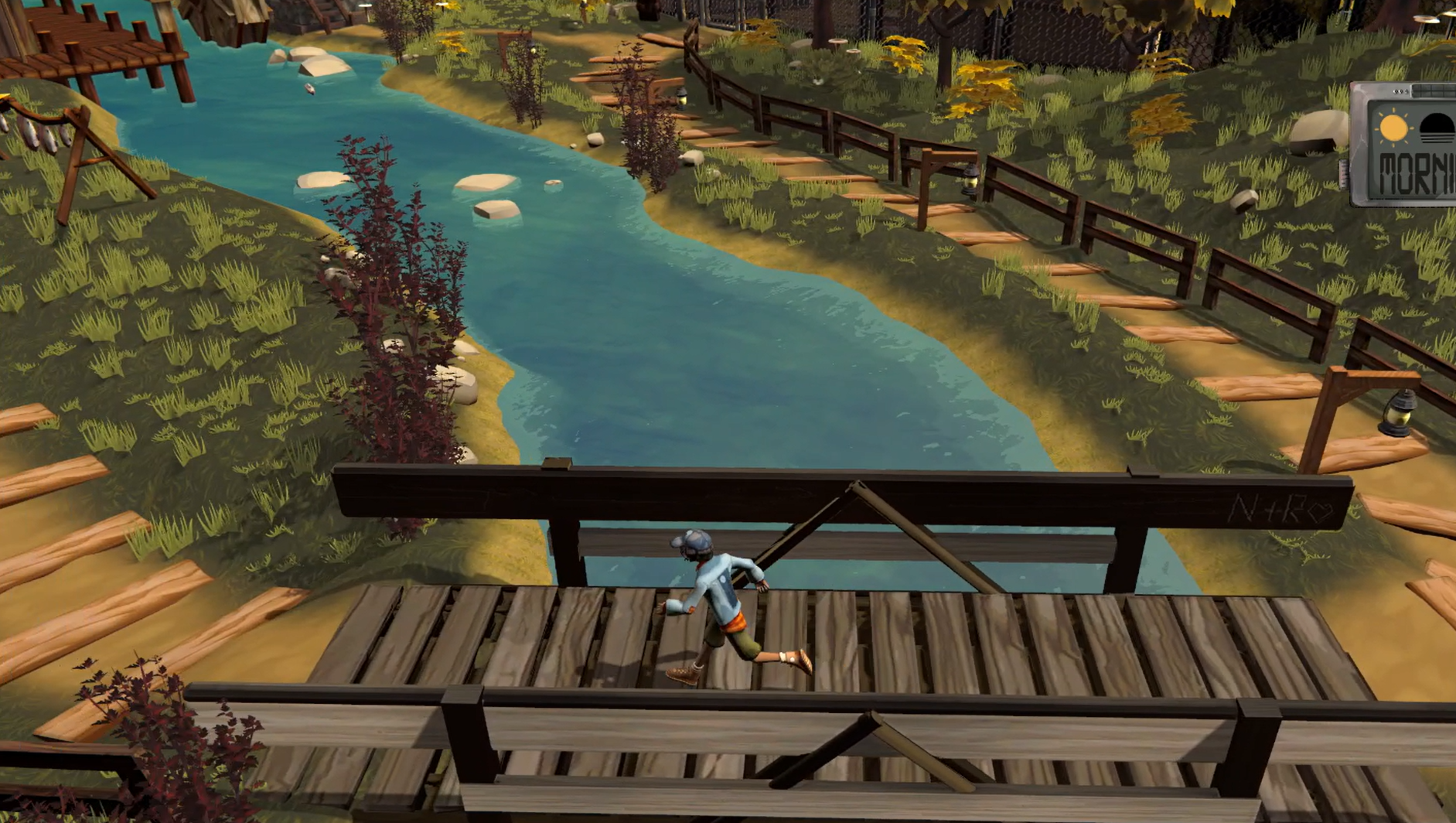
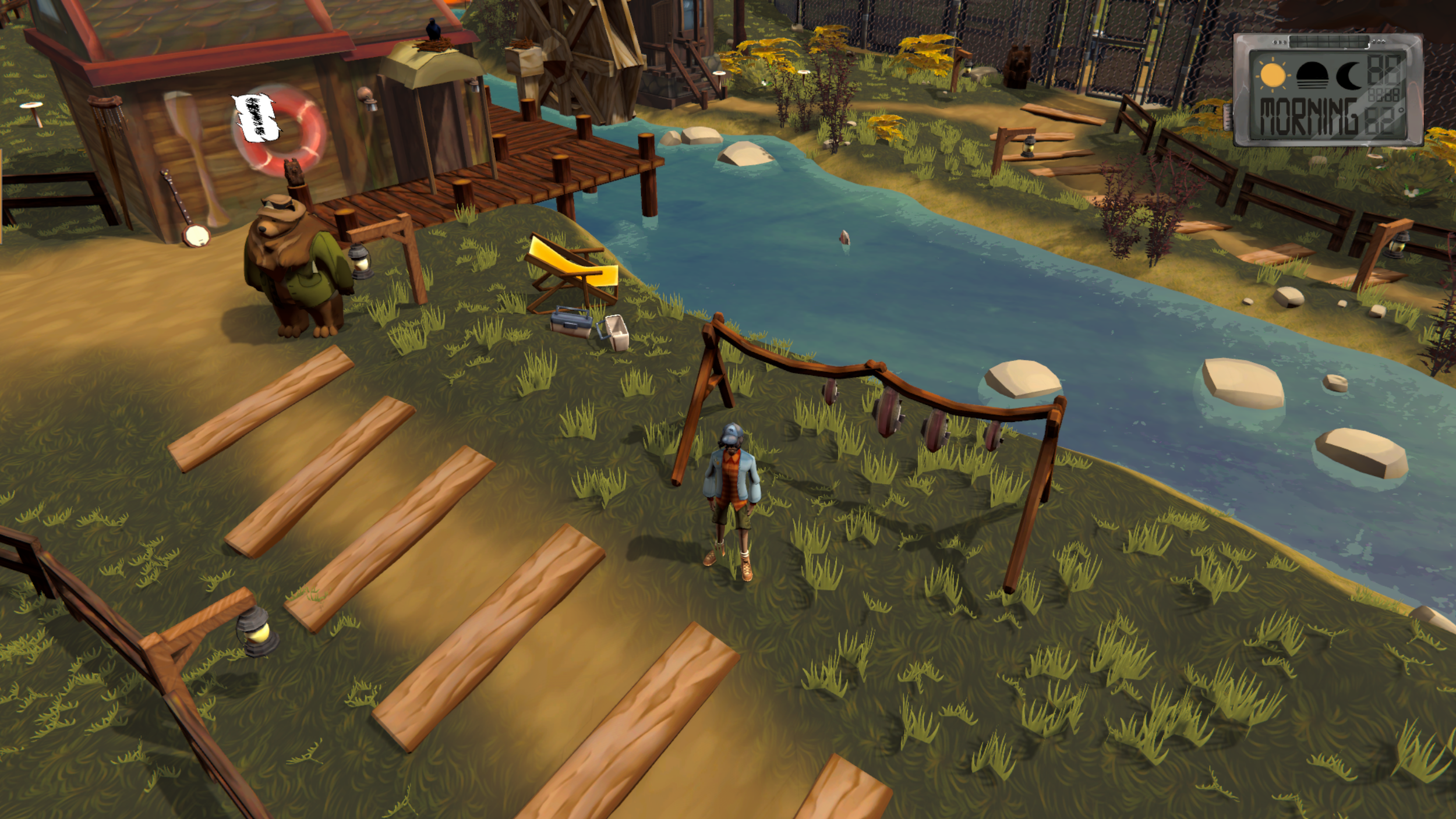
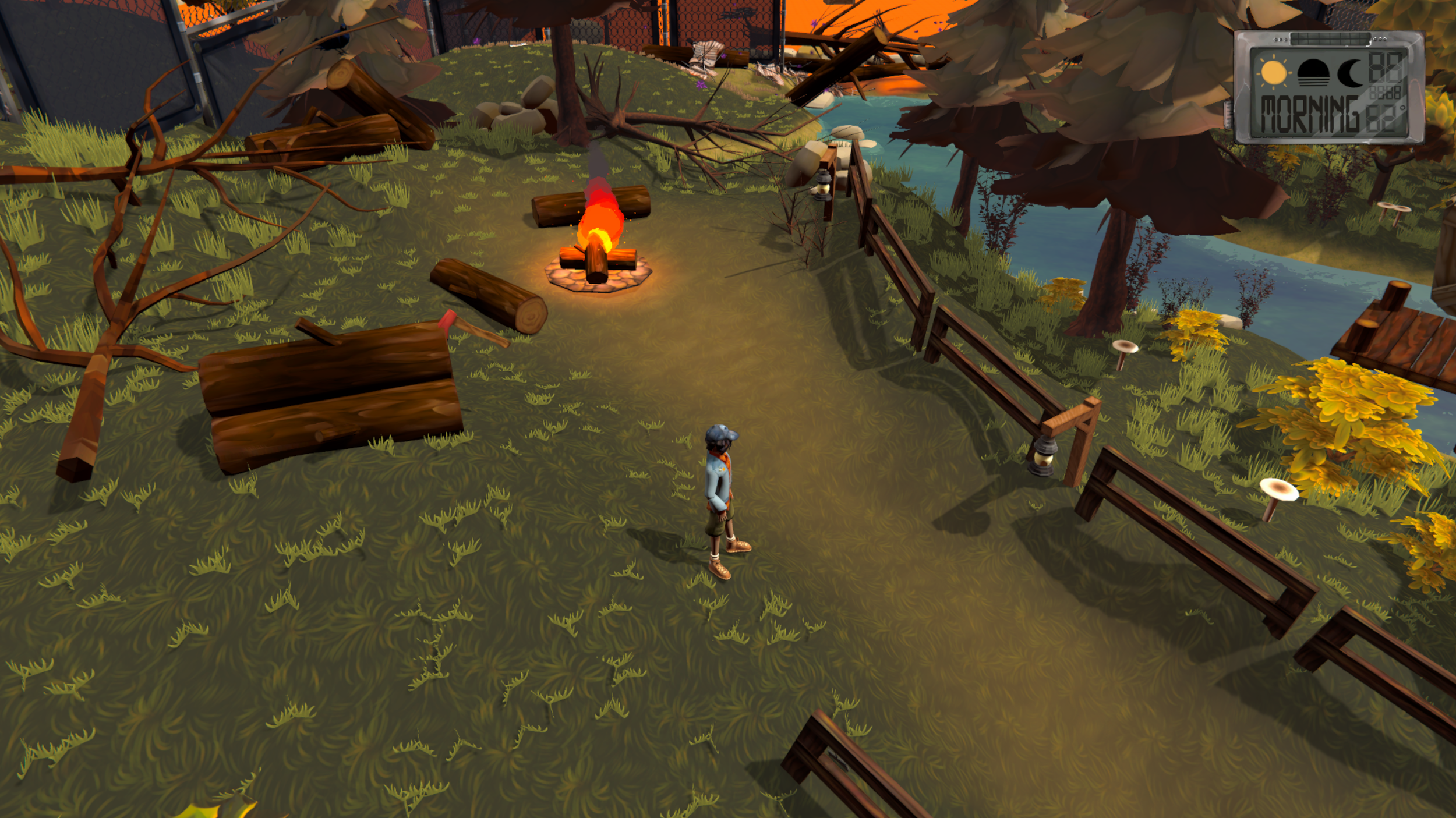
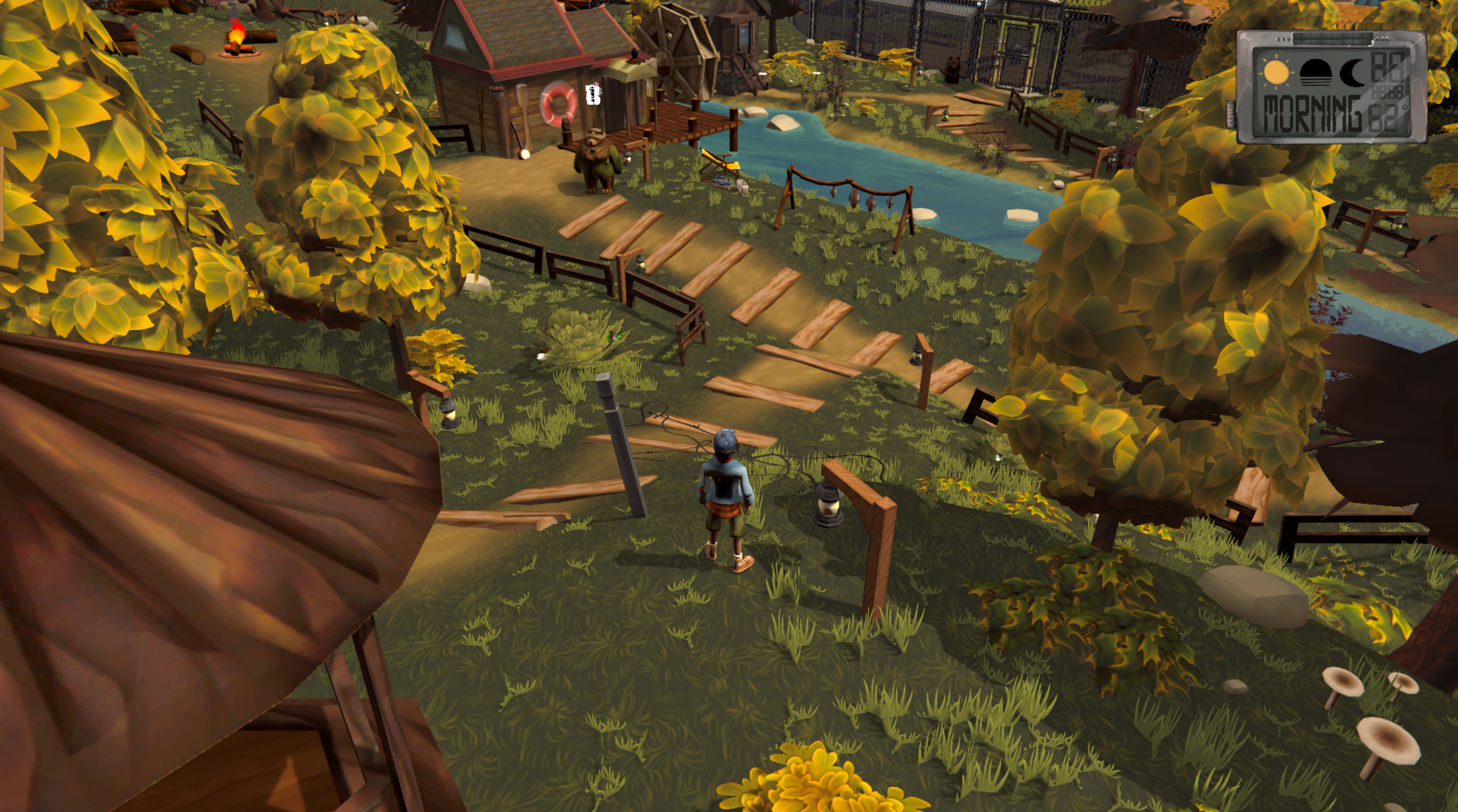
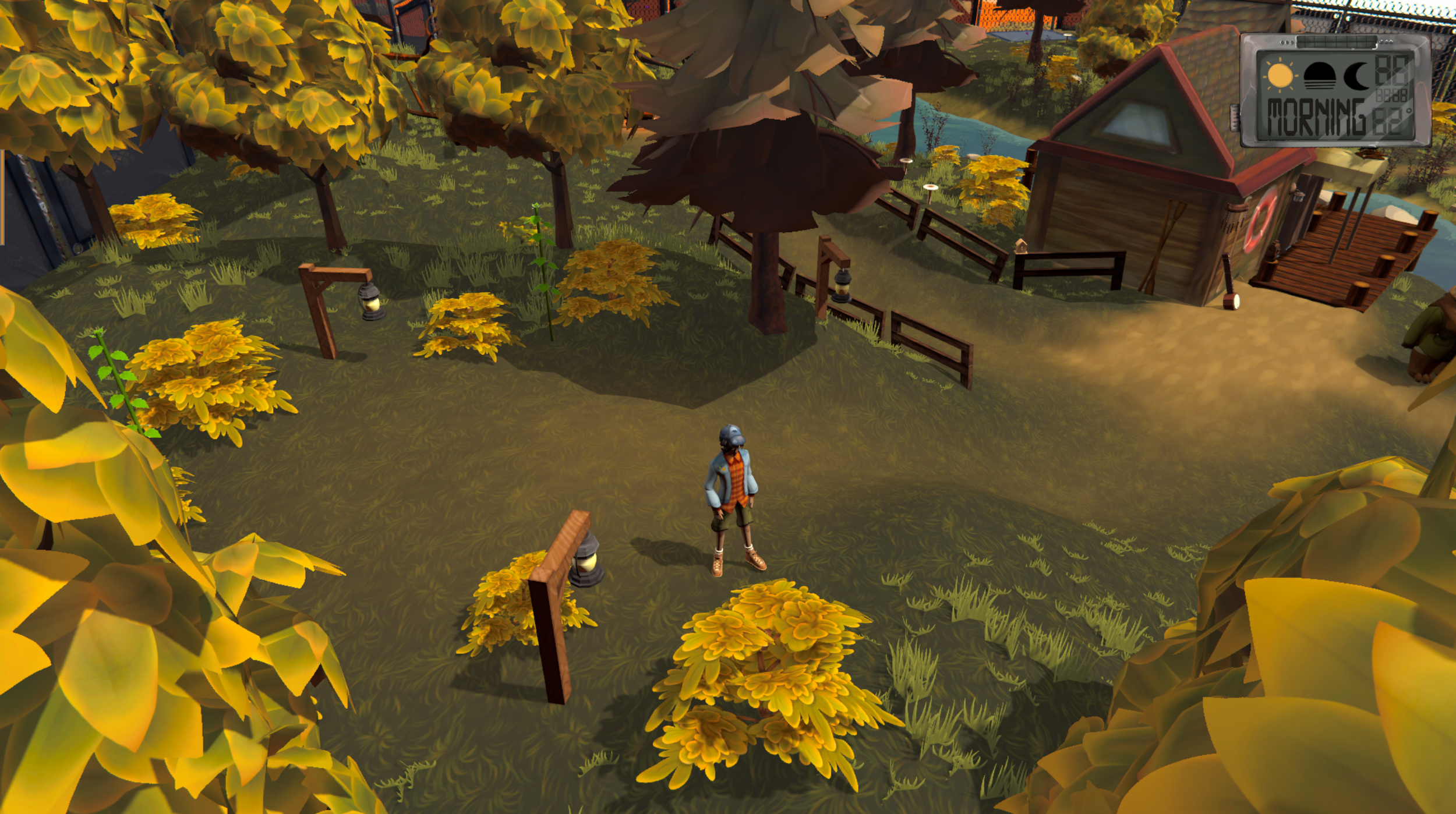
Zone 4 Gallery
HUB Gallery
Zone 4
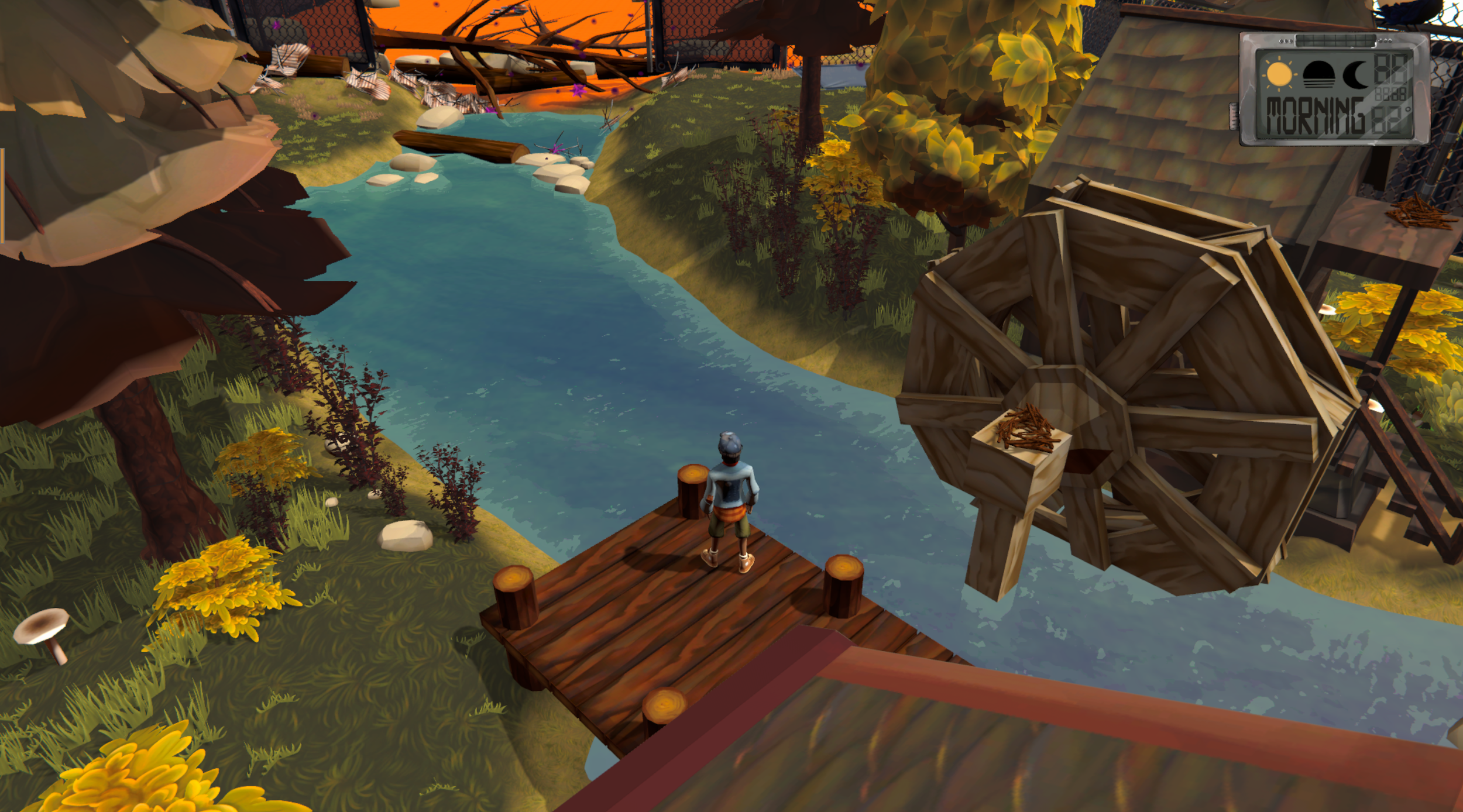
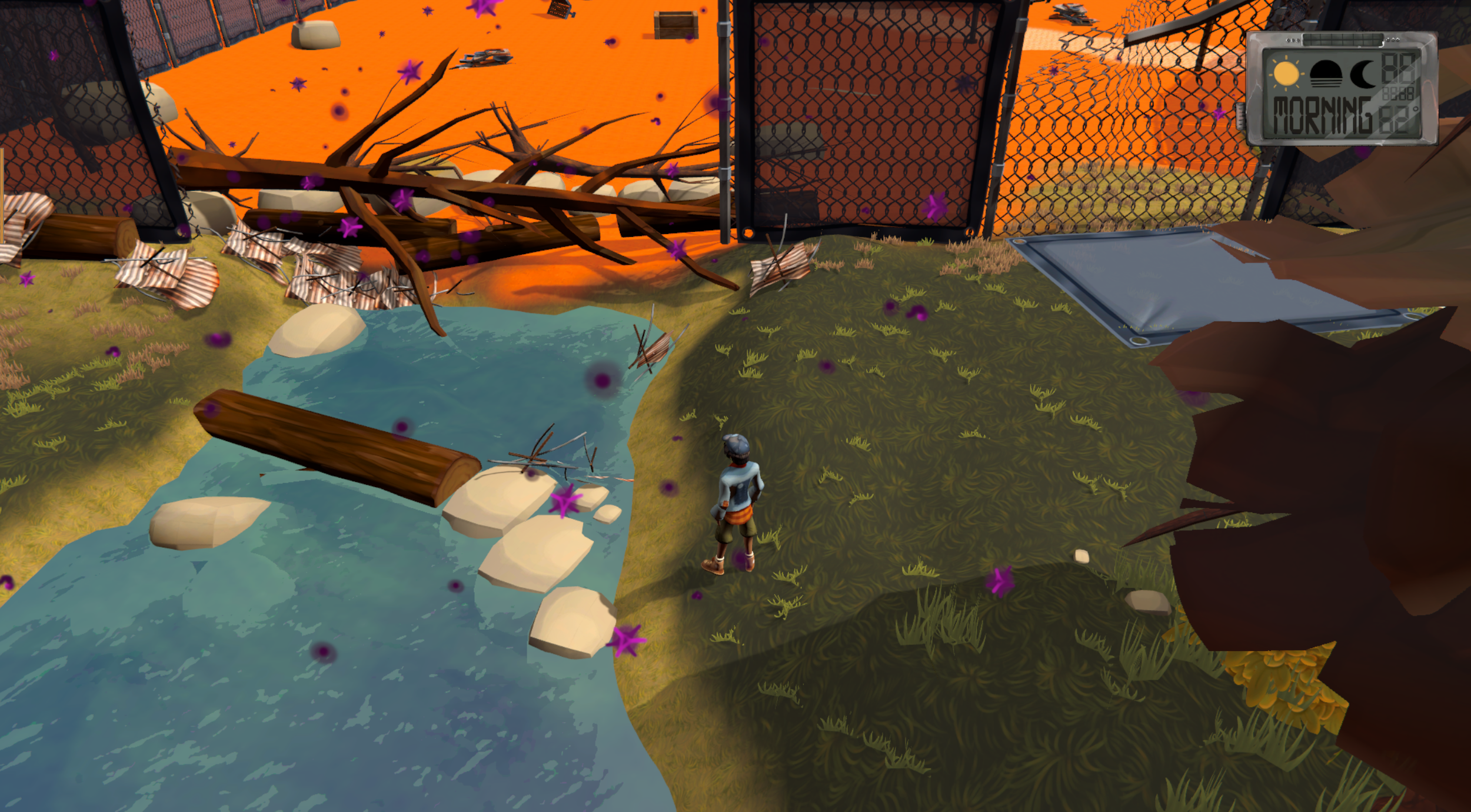
One of the many locations in the compound where chance visits in When the Crow Sings. This level is a rural North American inspired area with an bear NPC named Yule, that has some information to give the player upon completion of a quest.
Rundown
About the Level
Set in rural North America
Created a map to plan key features
Created using Unity basic shapes
Used landscape to create a realistic natural environment
Envionment changes as each of the three day and night cycles passes in the game
Went through multiple iterations based on feedback and gameplay
Design Intentions
Focus on main points of interest making sure no important beats were hidden out of view of the isometric camera
Use lighting and pathing to guide the player and create different atmospheres
Create a realistic, natural environment accurate to environments of North America
Incorporate 3D assets into the environment that provide environmental storytelling to add to the worldbuilding of the game
Design a linear experience with minor exploration
Design a quest objective that fits the NPCs personality and environment
Represent the environment changing by adjusting assets and VFX for each day and night cycle
Planning
At the start of the design process, I received a basic sketch to serve as the foundation for the level’s layout and themes. I was responsible for developing a quest concept for the location, along with designing interactable elements that support environmental storytelling.

References
References of foliage, cabins and rural environments were gathered to get an idea of the environmental design and how to shape the design of the level.

Foliage and rural structures
2D Map

First iteration
Foliage and different environments
Perspective, lighting and flora/fauna
I created a 2D map of the level to plan out all the gameplay features including interactables, quest objectives and specific landmarks for quest items. Throughout production this map went through multiple iterations.


Final iteration
Processes and Features
I used unity’s basic shapes and terrain tool to create a natural environment. I added in some lighting early on to start playing with the tone I wanted for the environment.


Fiber: Plants and foliage
Interactables

Rock stack near river
Quest Design

I decided that the quest objective for this area would involve helping Yule construct a fishing rod. The player is tasked with locating three required items. Each quest item area was uniquely defined.
Stick item: Campfire gathering space


Wire: Old gazebo
I used pathing and lighting to guide the player toward their objectives. Heavier dirt textures were painted onto the terrain to lead the player to the initial quest pickup location, which in this case was the NPC.
Lighting and Pathing
Preview
I chose the locations and dialogue for interactable elements that provide various narrative beats for this level, character inquries and overall narrative.
Warning sign on the ground

Axe on log
Corruption
I designed and implemented corruptive elements increasing the density and spread of the particles and having a progressively warped fence to visually communicate the growing severity of the corruption coming from zone 1.

Night 1


Final
Day 2

Blockouts

Day 3

Iterations
Throughout the design process, the level and its features went through multiple iterations to reach the end result.

First iteration
General Layout
The level would contains three quest-related objects and at least two interactable items. I used Unity’s Terrain tool to create a simple landscape. I placed trees in ways that it would not obscure the player camera or interfere with the quest locations.
Trees were adjusted and removed to better facilitate the isometric camera. The terrain was smoothened out and adjusted to make traversal cleaner. I set dressed a variety of environmental assets, including rocks, trees, bushes, leaves, plants, and logs.

Final iteration
NPC Placement
Initially I placed this levels NPC, use on the dock located next to his fishing house. I ended up moving the NPC farther out into the natural pathway of the player so they can come across him naturally instead of having to look around for him or discover him.

First iteration

Final iteration
HUB
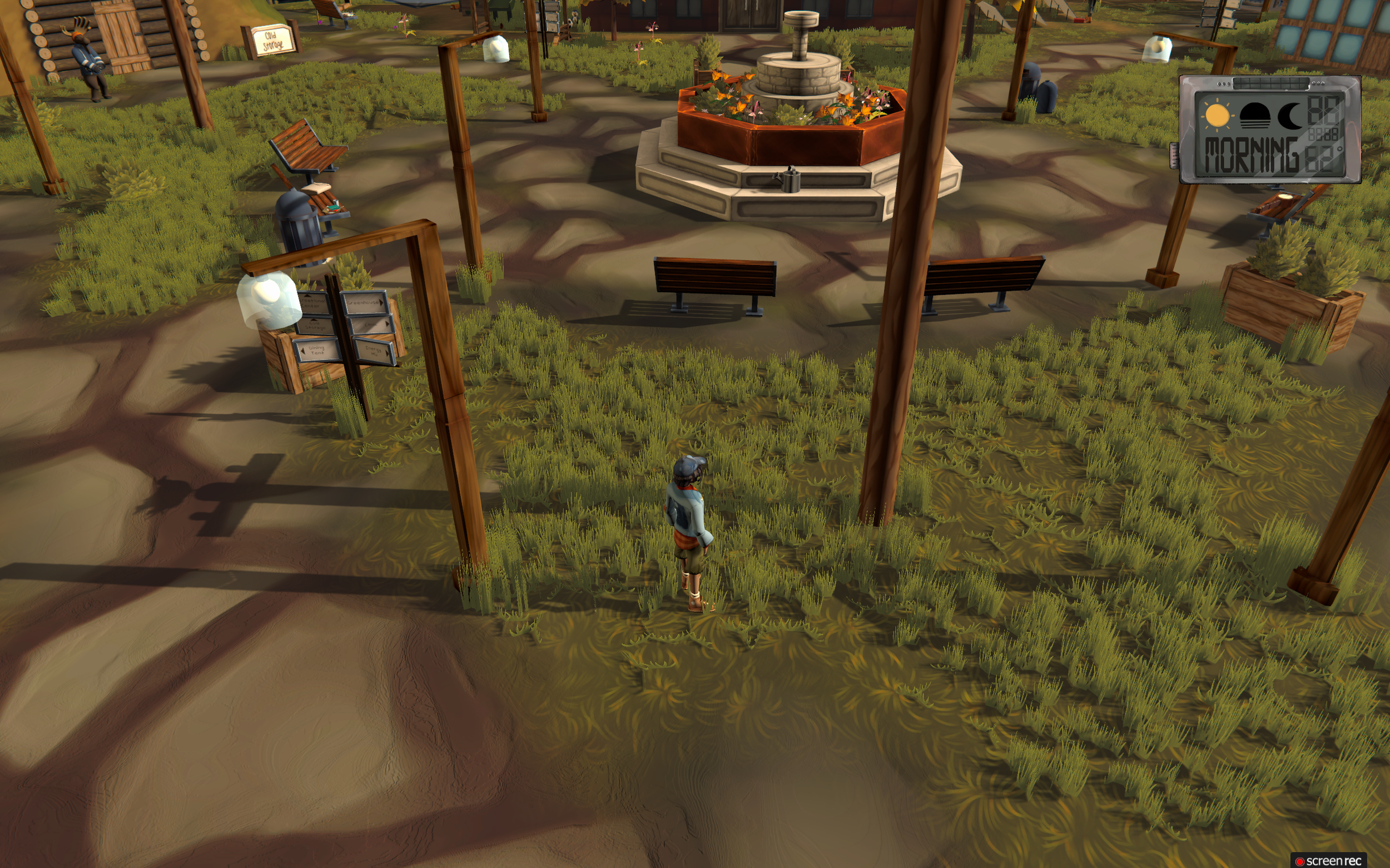
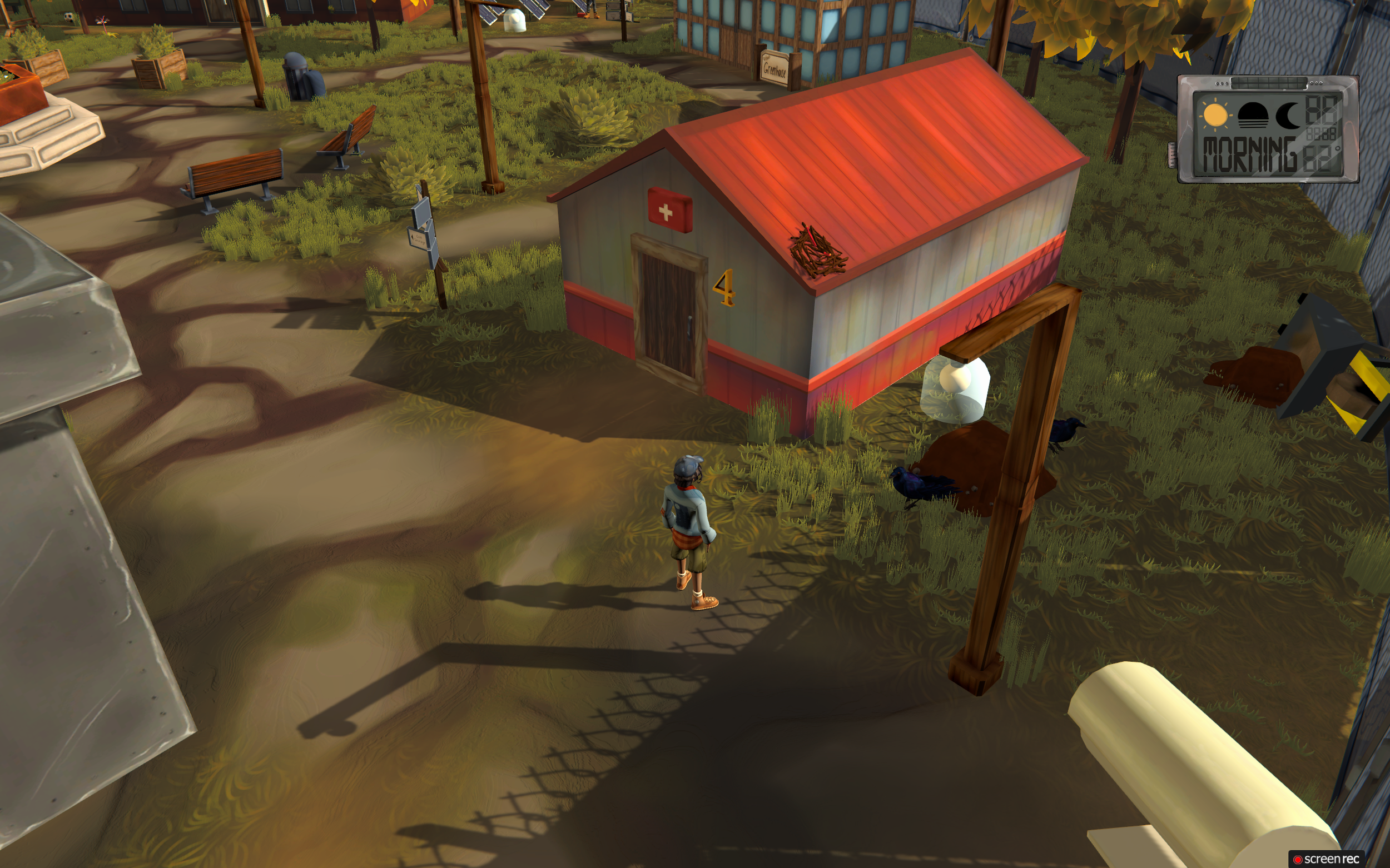
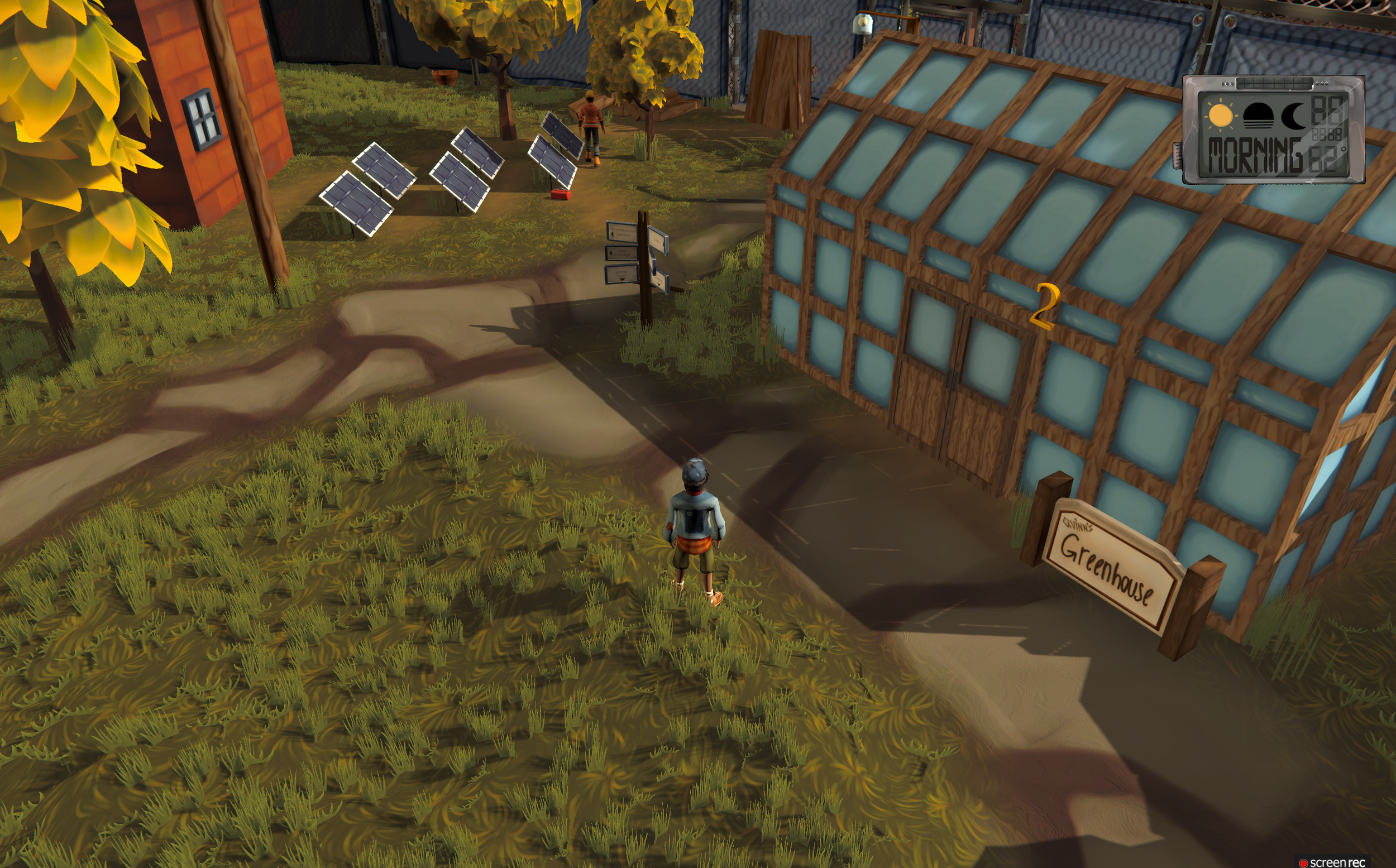
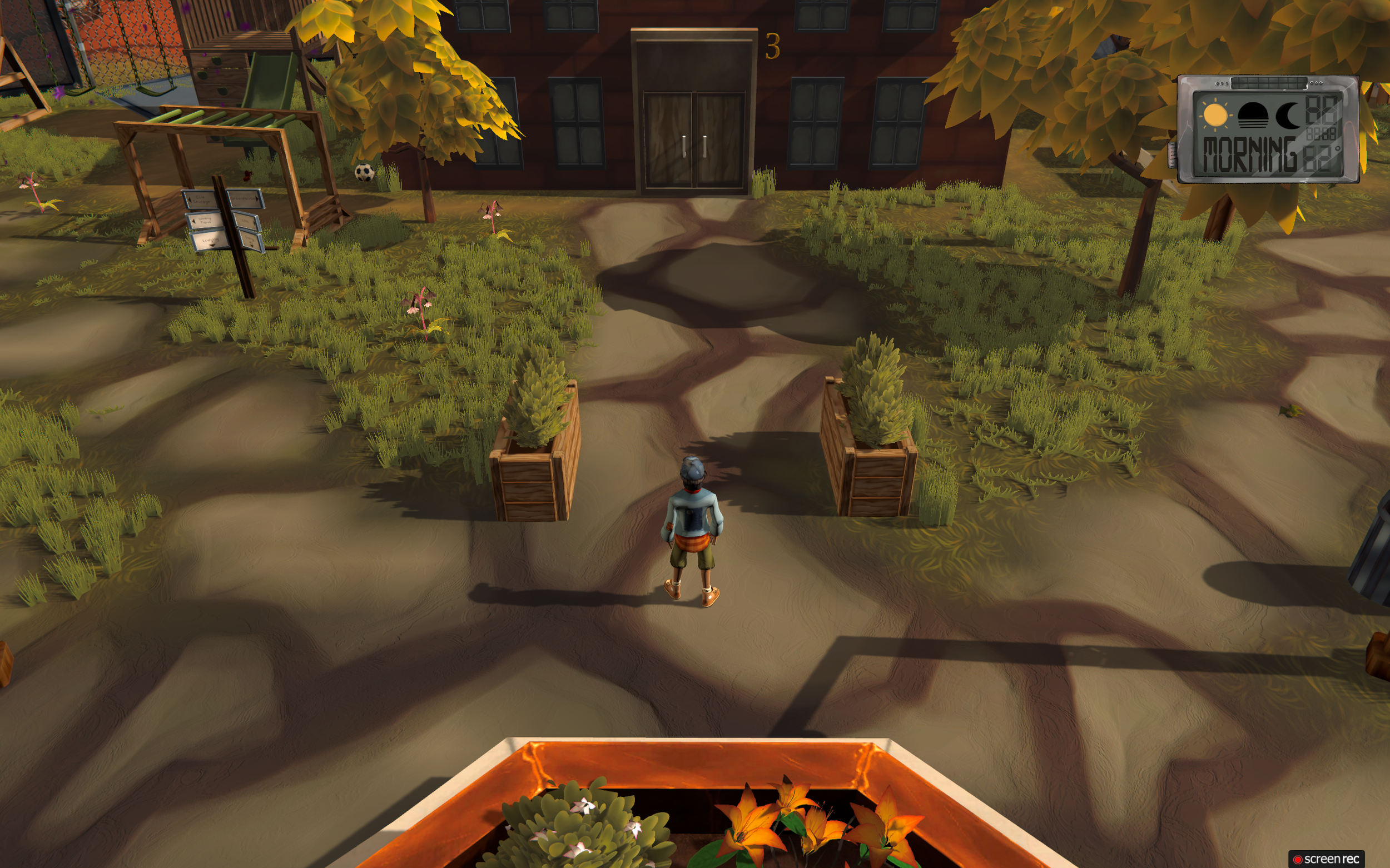
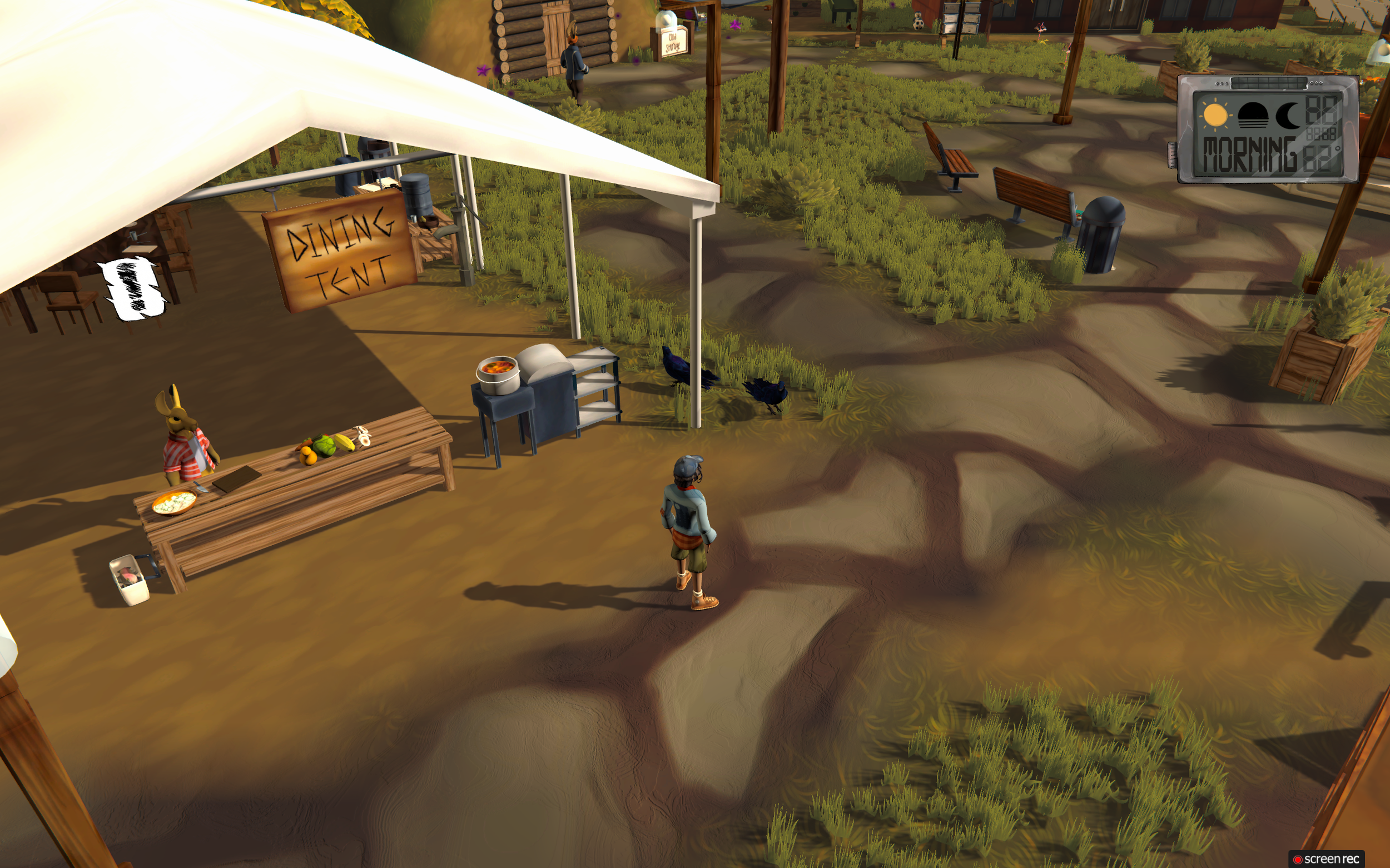
The HUB is the main area in the compound of When the Crow Sings where the player first starts their experience. It is the main central area where all the NPCs live, eat and interact as a community.
Rundown
About the Level
Set in rural North America
Created a map to plan key features
Created a block out using Unity basic shapes
Used landscape to create a realistic natural environment
Envionment changes as each of the three day and night cycles passes in the game
Went through multiple iterations based on feedback and gameplay
Design Intentions
Focus on main points of interest making sure no important beats were hidden out of view of the isometric camera
Use lighting and pathing to guide the player and create different atmospheres
Create a realistic, natural environment accurate to environments of North America
Incorporate 3D assets into the environment that provide environmental storytelling to add to the worldbuilding of the game.
Design an open level experience with minor exploration
Represent the environment changing by adjusting assets and VFX for each day and night cycle.
Planning
At the start of the design process, I received a basic sketch to serve as the foundation for the level’s layout and themes. I was responsible for developing a quest concept for the location, along with designing interactable elements that support environmental storytelling.

References
The References of foliage, cabins and rural environments stayed the same for Zone 4 and HUB references to get an idea of the environment design and structure design/ HUB layout.
Foliage and rural structures
2D Map
First iteration
Foliage and different environments
Perspective, lighting and flora/fauna
I created a 2D map of the level to plan out all the gameplay features, including interactables, quest objectives, NPC and specific landmarks for quest items.


Final iteration
Processes and Features
I used unity’s basic shapes to create a block out of the level, including pathways, environmental objects/structures and foliage. I added in some lighting early on to start playing with the tone I wanted for this area. 3D text was used to signify each building.


The pathing was designed to direct the player towards the Zone entrances and the structures and NPCs.
Pathing
Preview
Corruption
Just like I did in Zone 4, I designed and implemented corruptive elements increasing the density and spread of the particles and having a progressively warped fence to visually communicate the growing severity of the corruption coming from zone 1 in the HUB.

Night 1


Final
Day 2

Blockouts

Day 3

Iterations
Throughout the design process, the level and its features went through multiple iterations to reach the end result.

First iteration
Playground Placement
Initially the HUB was blocked out using unity basic shapes.
However, later on into development, I replaced the shape on the ground with terrain. This was done to give the HUB a more natural design. Using the terrain tool, I was able to create natural mountains, and textured terrain as well as add some grass and foliage efficiently. I also used the terrain tool to create natural boundaries for each zone, and to fill areas where the player will be able to see beyond the gates.

Near-final iteration

First iteration
Terrain
Based on the concept art I received at the beginning of the design process, the playground was placed in the center of the HUB.
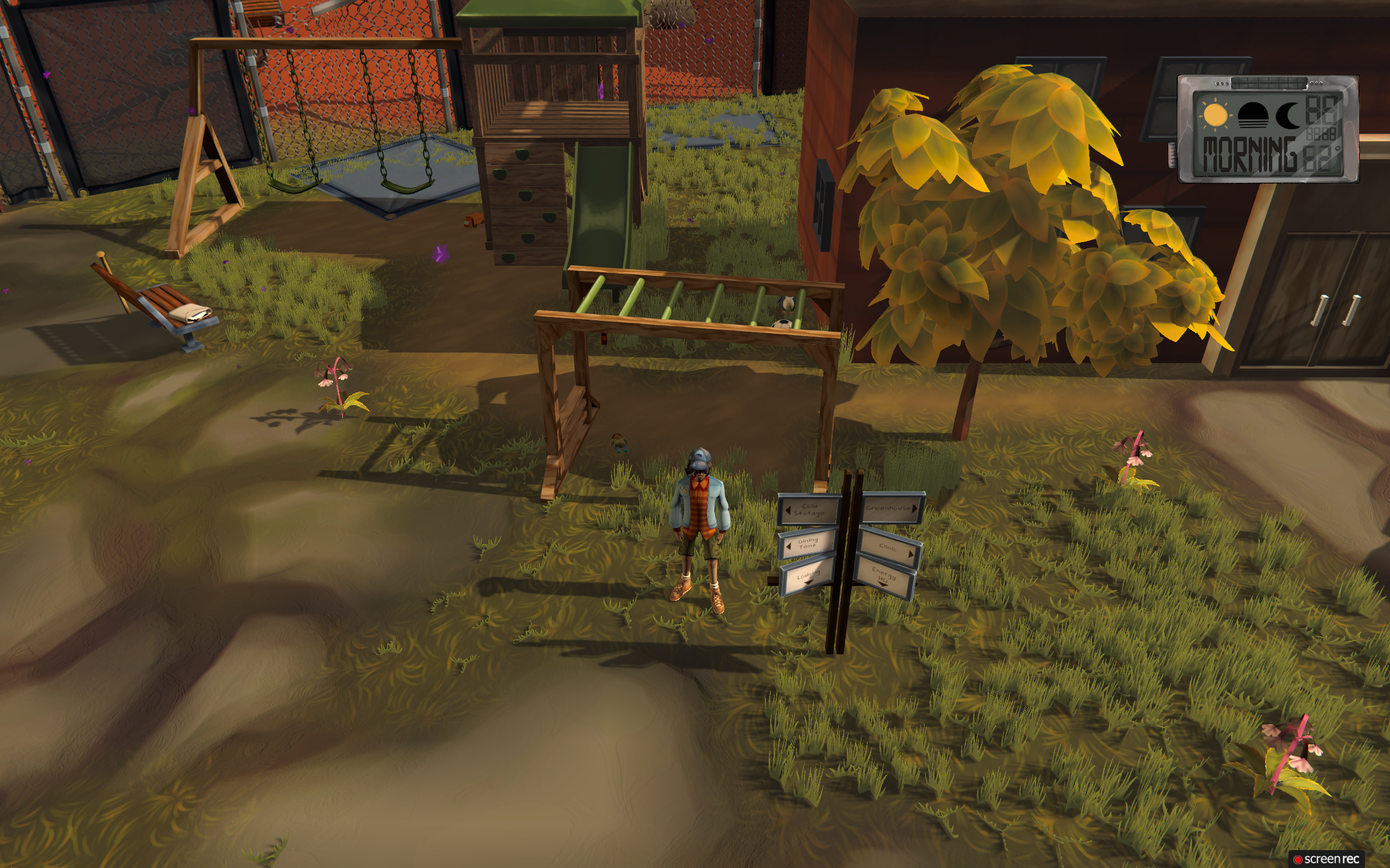
However, after I placed the playground in the center and play tested it I realized that it seemed unnatural to have it at that location. The size of the park made it difficult to see and made the theme of the HUB confusing. I decided on moving the playground to the side of the Rec Center. The Rec Center is the area of the HUB where children are known to be housed, learn, and taught about the compound and its history. Placing the playground next to the rec center gives environmental narrative that children are present in the HUB, but at the rec center specifically.
I decided on changing the center of the HUB to a water fountain. Many communities and neighborhoods tend to have water fountains at or near the center where people can gather and relax. I felt that the fountain fit best with the theme and overall design of the HUB.
Near-final iteration