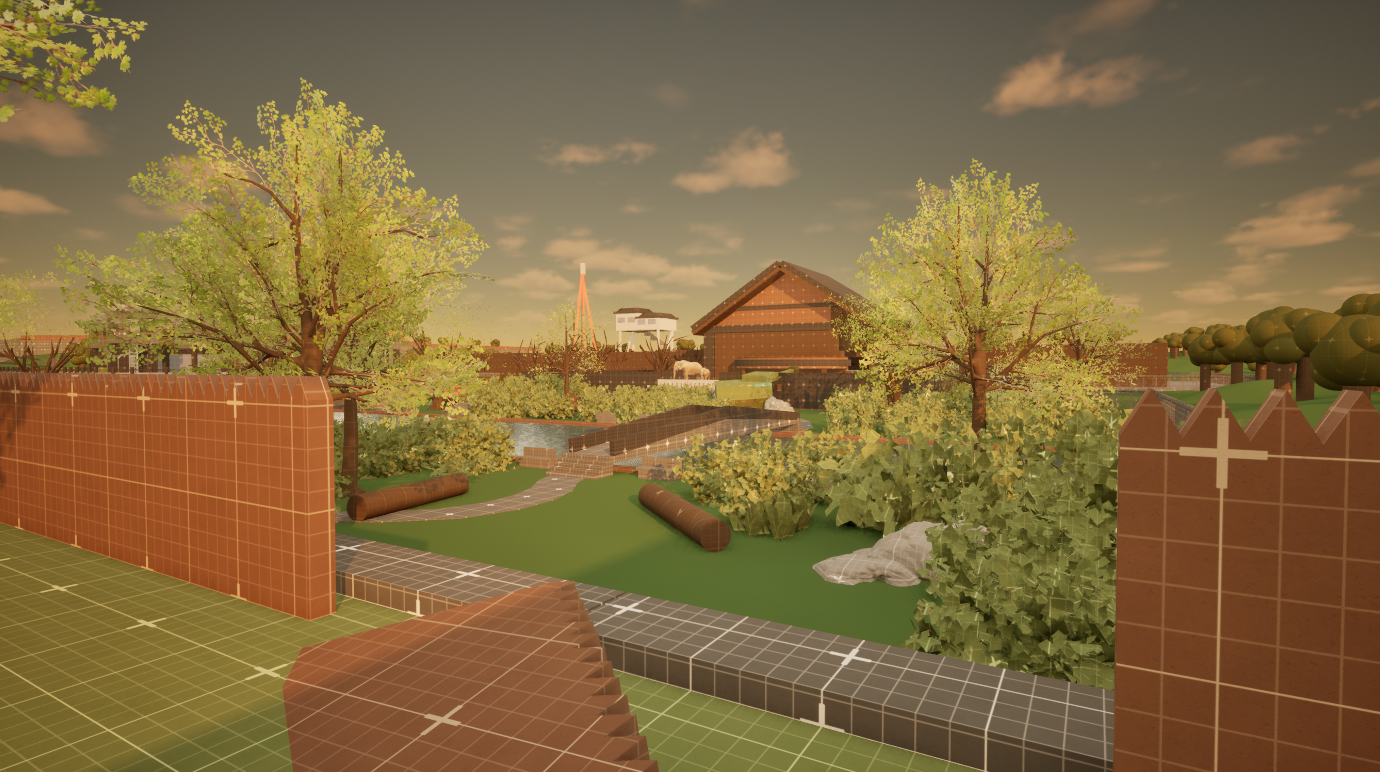
The Museum (The Last of Us)
Solo \ Unreal Engine
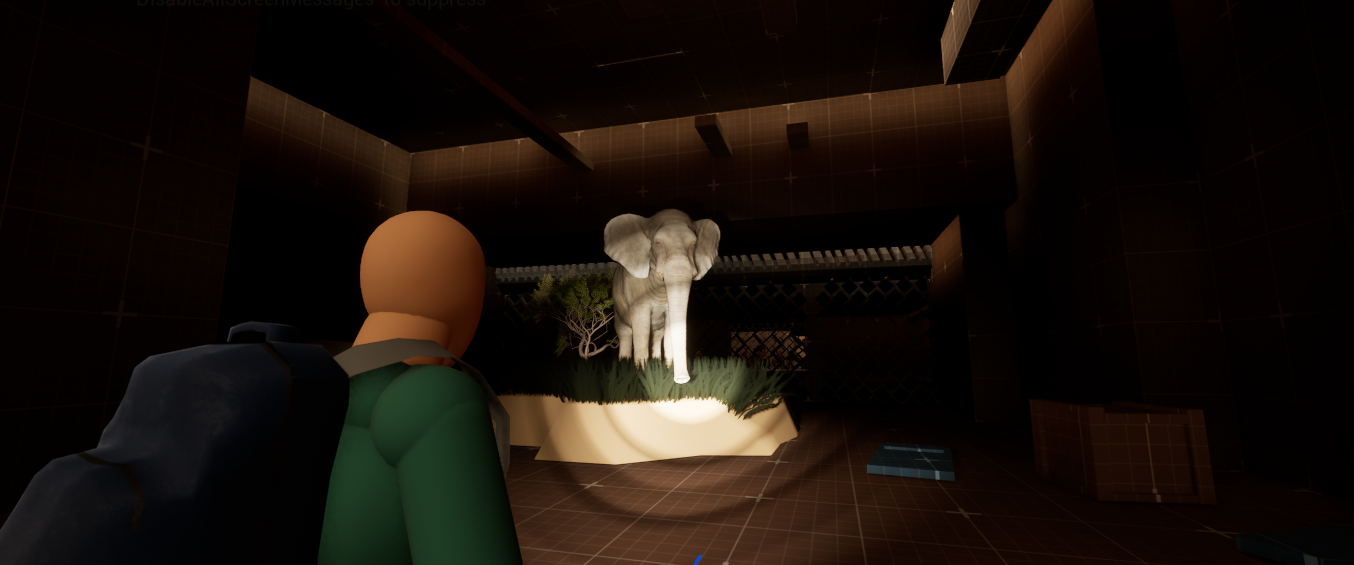
Ellie and Joel must travel through an Wildlife and Humanities museum to reach the radio tower on the other side to meet up with the Fireflies.
Asset Packs:
IWALS Pack
Forest Animals pack
African Animals pack
City Park Environment Pack
Responsibilities:
Designed and built a level for an existing game within a two-month production timeline.
Used Perforce to allow access to my project files and record my changes to the project.
Wrote a LDD to formulate and plan my ideas for the level using PowerPoint and Adobe Illustrator.
Created a flow chart using Miro to conceptualize how the level will progress.
Designed a map using Illustrator to combine all the concepts together.
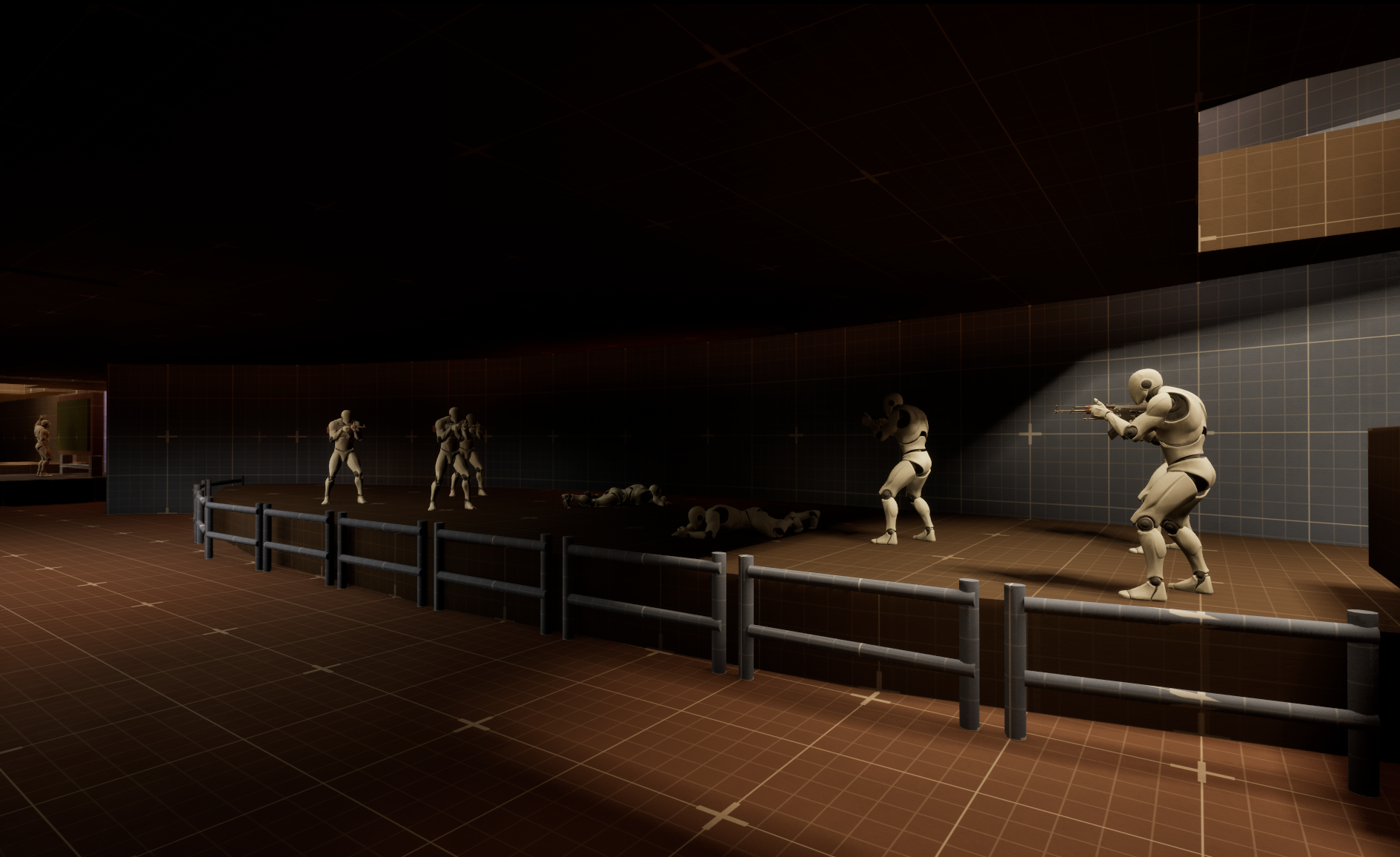
Built a metrics gym to get an idea of scale, combat, and blueprints.
Blueprinted different gameplay features.
Utilized various modeling tools to create the block out.
Planning
I created a level design document using PowerPoint to plan and organize my ideas for the level. This document included sections outlining the narrative, design focus, and summaries of key locations and features within the level.

Miro board
I created a diagram using Miro to plan the flow and structure of the level. Based on my research, I aimed to design a gradual increase in intensity throughout the player’s progression—beginning in a relatively safe area and culminating in a high-danger encounter.
Within the diagram, I highlighted the critical path using red and green arrows to clearly indicate player progression. Additional features and connections within each section were represented with simple black lines, allowing me to visualize the layout and key gameplay beats of the level.

2D map
The 2D map combined the narrative, gameplay, and location features of the level into a single visual plan. It allowed me to visualize how the environment design would support elements such as dialogue opportunities, lootable objects, and environmental storytelling through lore.
Although I anticipated that the map would go through multiple iterations throughout the design process, it served as a strong starting point for understanding how these elements would come together. It also helped me better envision the overall player experience and how the level would function once fully realized.

First version

Final version
References
I gathered reference material related to museums that showcase human history, wildlife history, and ecosystems. I also collected images of storage rooms and other spaces that I planned to include in the museum layout.
These references were highly valuable in shaping the overall design of the level. They helped inform how the exterior of the museum would be structured and provided inspiration for the visual identity and gameplay flow of the humanities and wildlife sections.
Proccesses and features

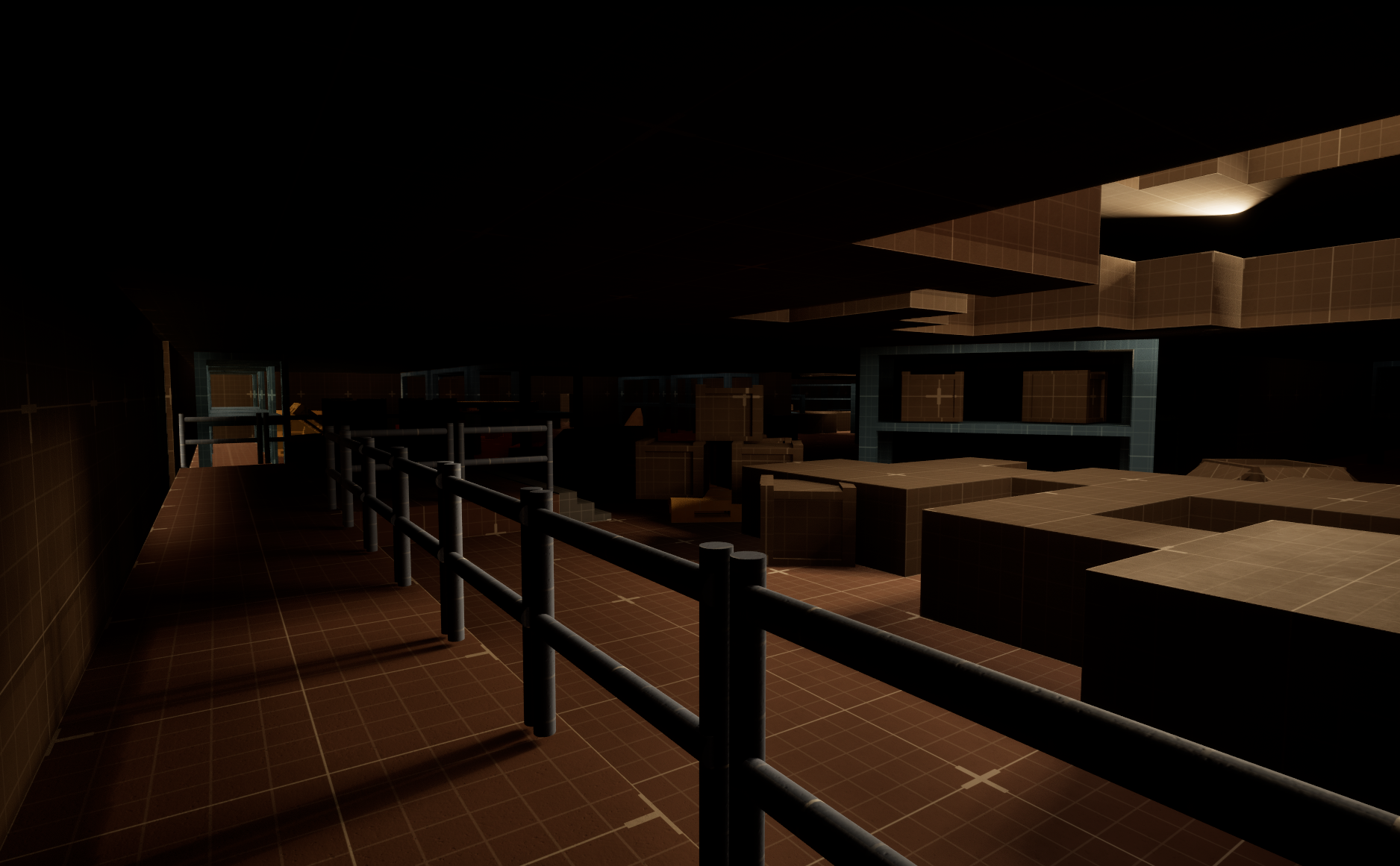
The Cube Grid tool allowed me to create areas of structural damage and rubble, suggesting that parts of the ceiling had collapsed. Some of these areas of rubble are used to block paths and guide the player through the structure.

Environmental assets

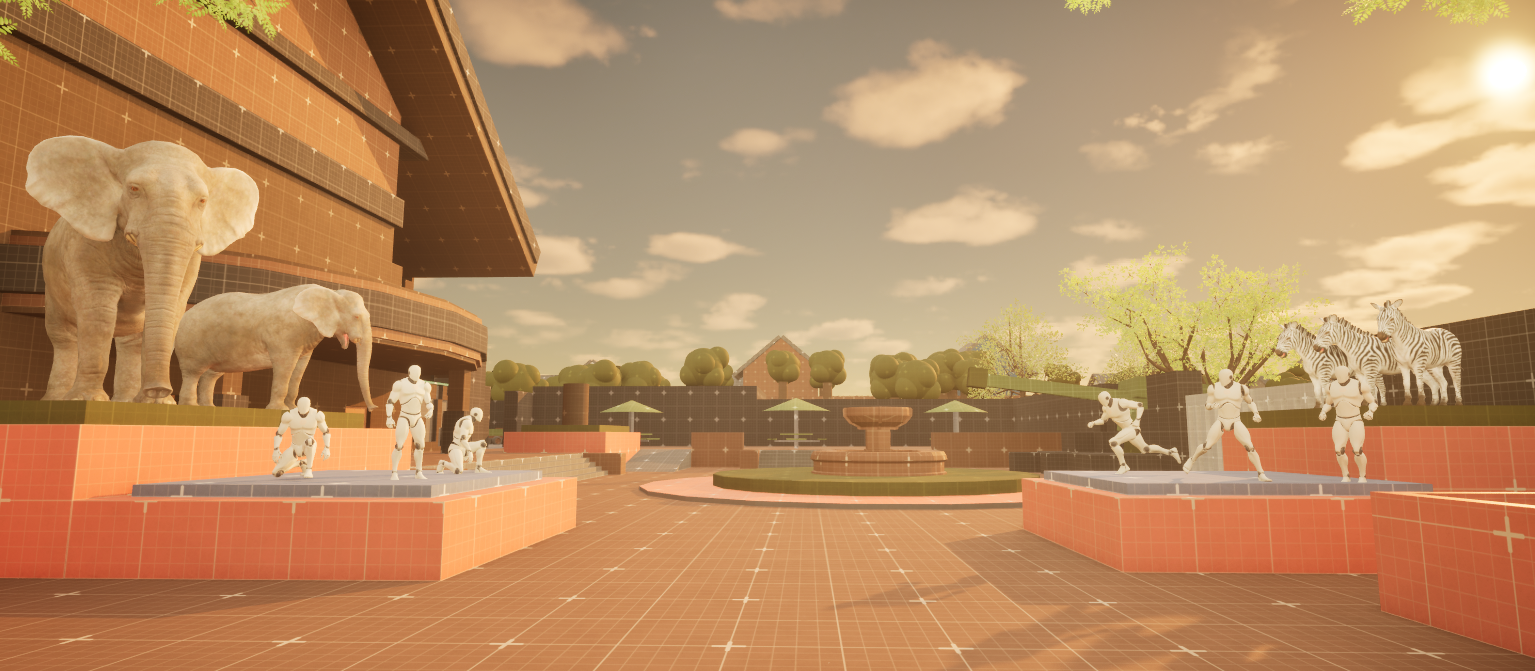
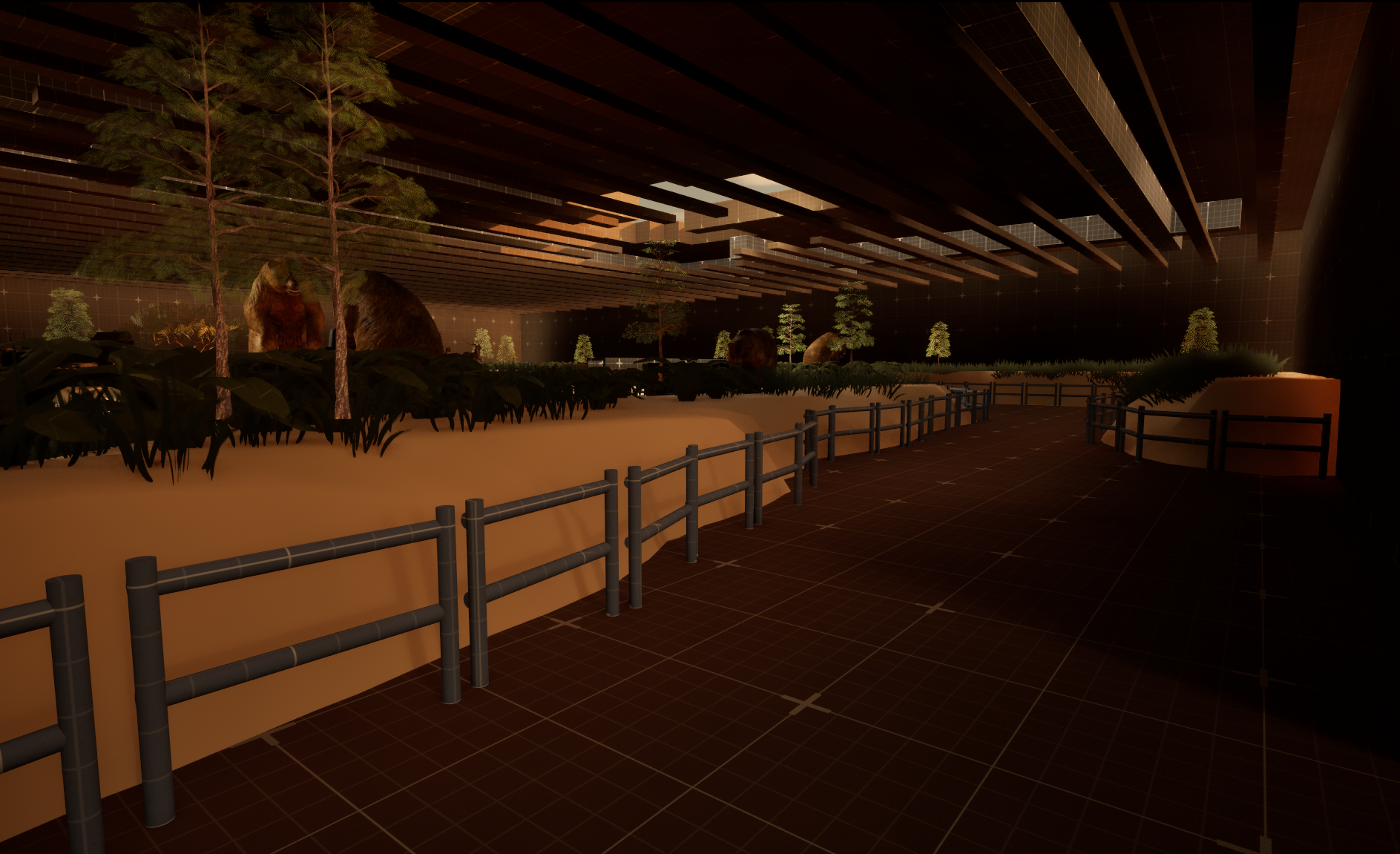
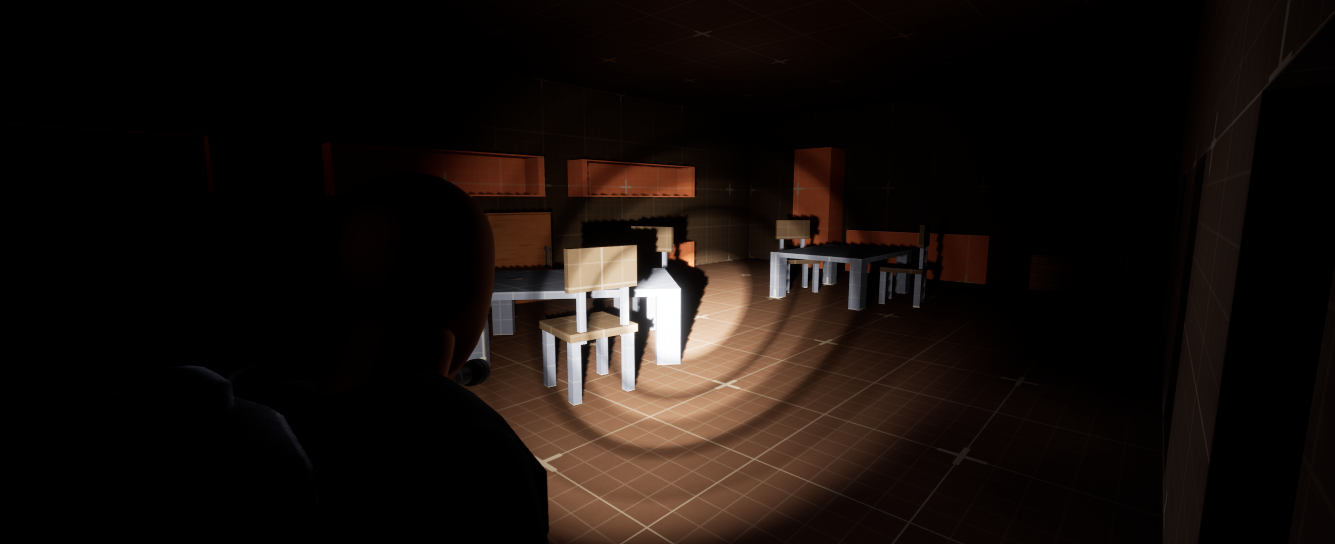
I used the Unreal Engine basic modeling tool to create different assets that I used to dress different areas of the museum. This included furniture, foliage, and structures. I used these assets to give an identity to specific areas of the interior and exterior of the museum.


Storytelling

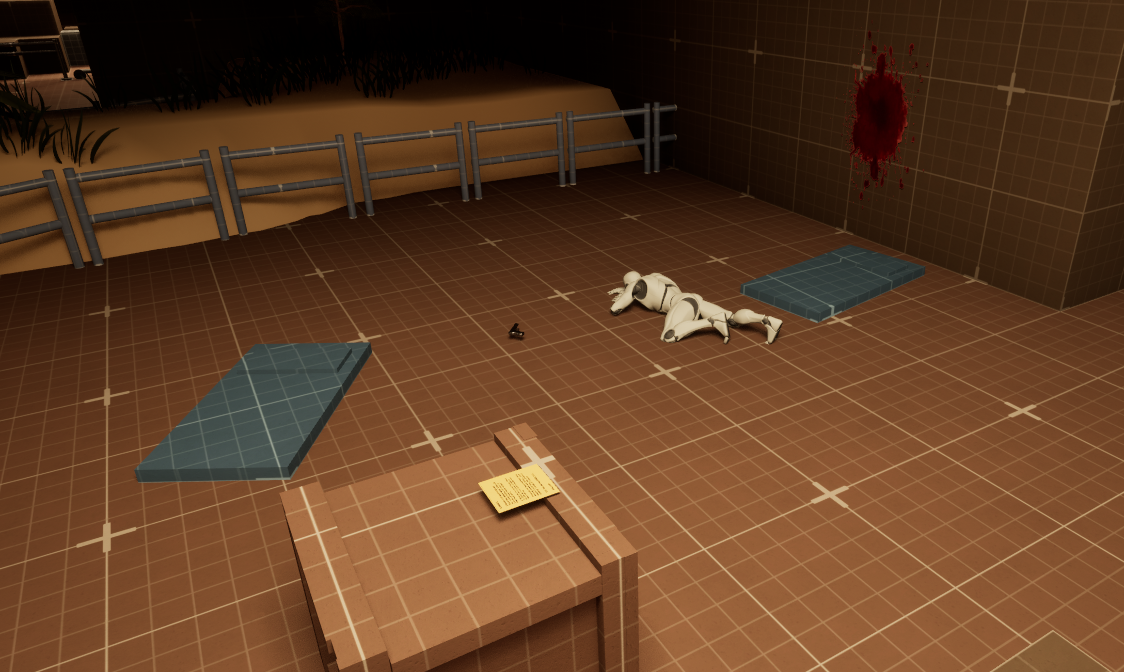
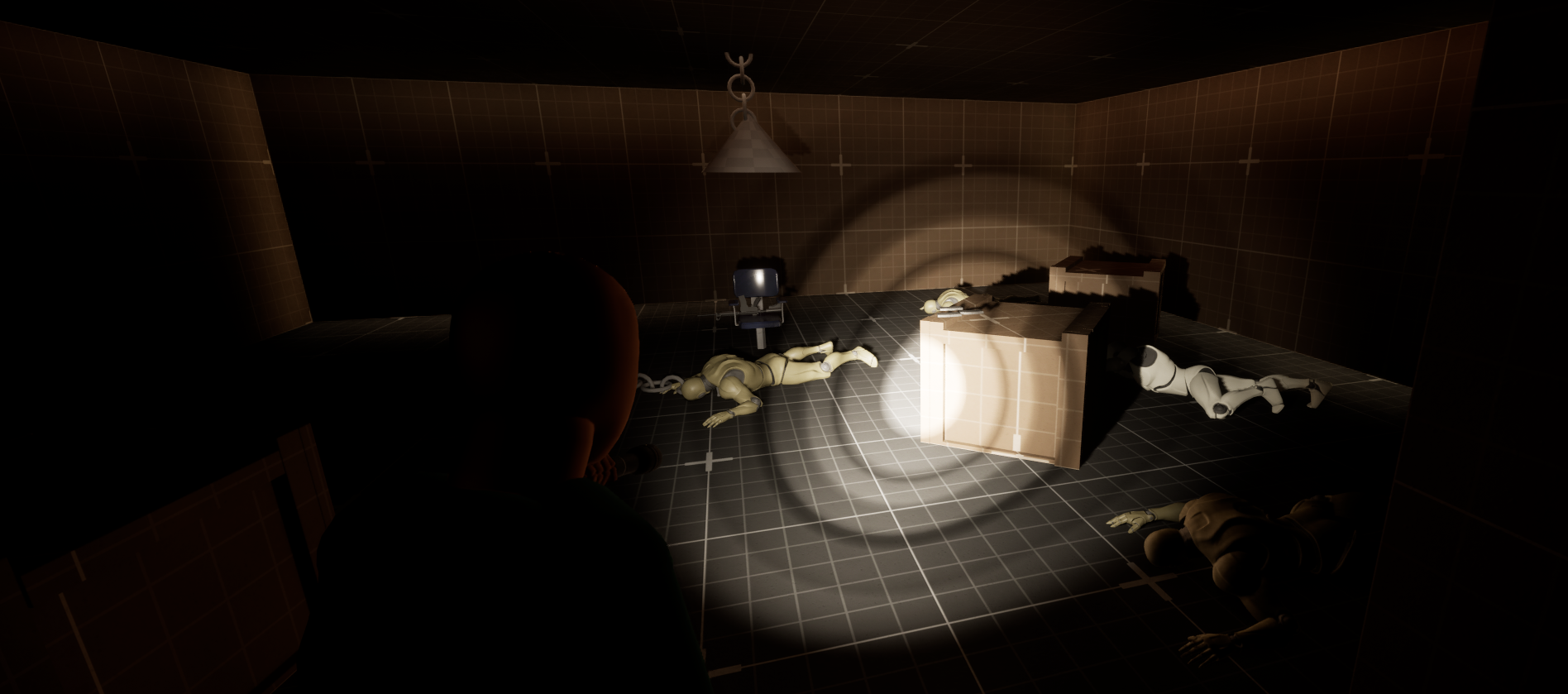
The player can encounter a interaction point where they come across a dead hunter and a letter. The letter alludes to a mysterious situation going on in the power room and the relationship between this character and another hunter named Lorenzo.


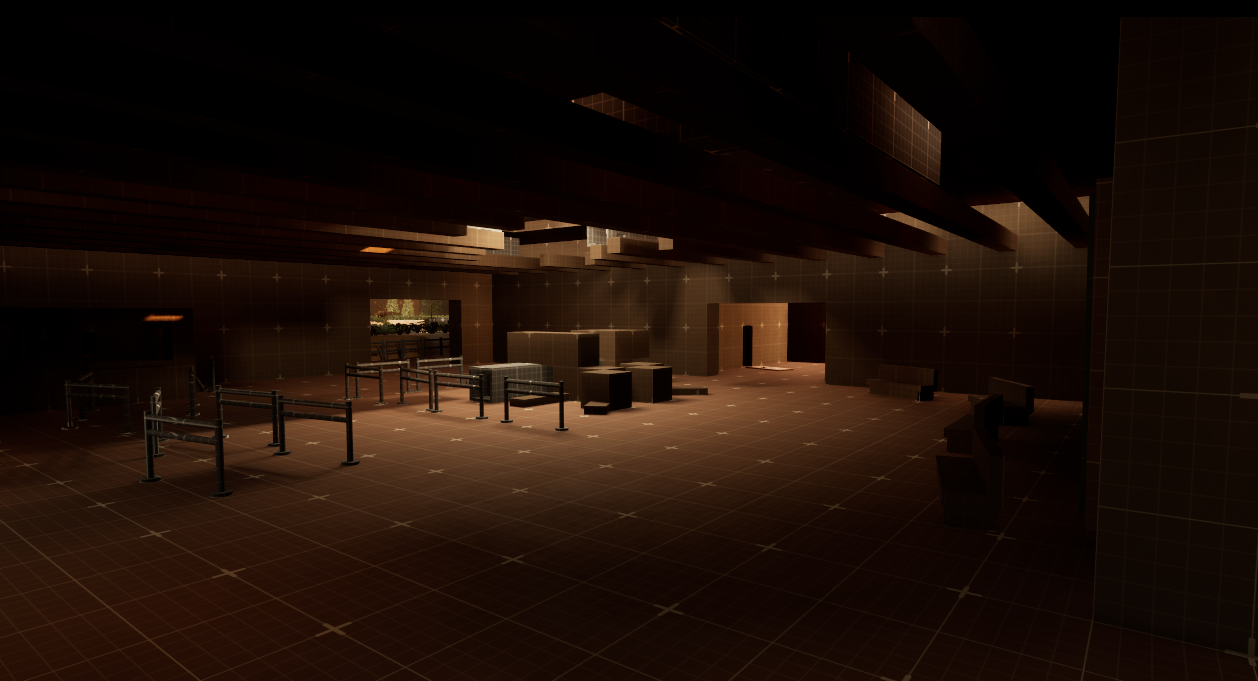
To create the main structure of the museum, I utilized the Cube Grid modeling tool. This allowed me to quickly block out the overall shape of the building, including the walls, ceiling, and floor. The tool also made it easy to make rapid adjustments during the early stages of development.


In the power room, the player has the opportunity to come across the room mentioned in the letter. Here they find a brutal scene, getting an idea of what may have happened and access to a new weapon.
Blueprints
Different systems were created to add functionality and progression through the level.
Gate and power box preview
Power box blueprint

Dialogue system preview


Camera blueprint
Gate blueprint
Reworked dialogue system
Later into the project, I redesigned the original dialogue system above to be more accurate to The Last of Us. This new system prevents the functionality from taking the player out of the game by shifting the camera.
Reworked camera preview

Widget blueprint

Trigger box blueprint
Iterations
Throughout the design process, the level and its features went through multiple iterations to reach the end result.

First iteration
Wildlife

Final iteration
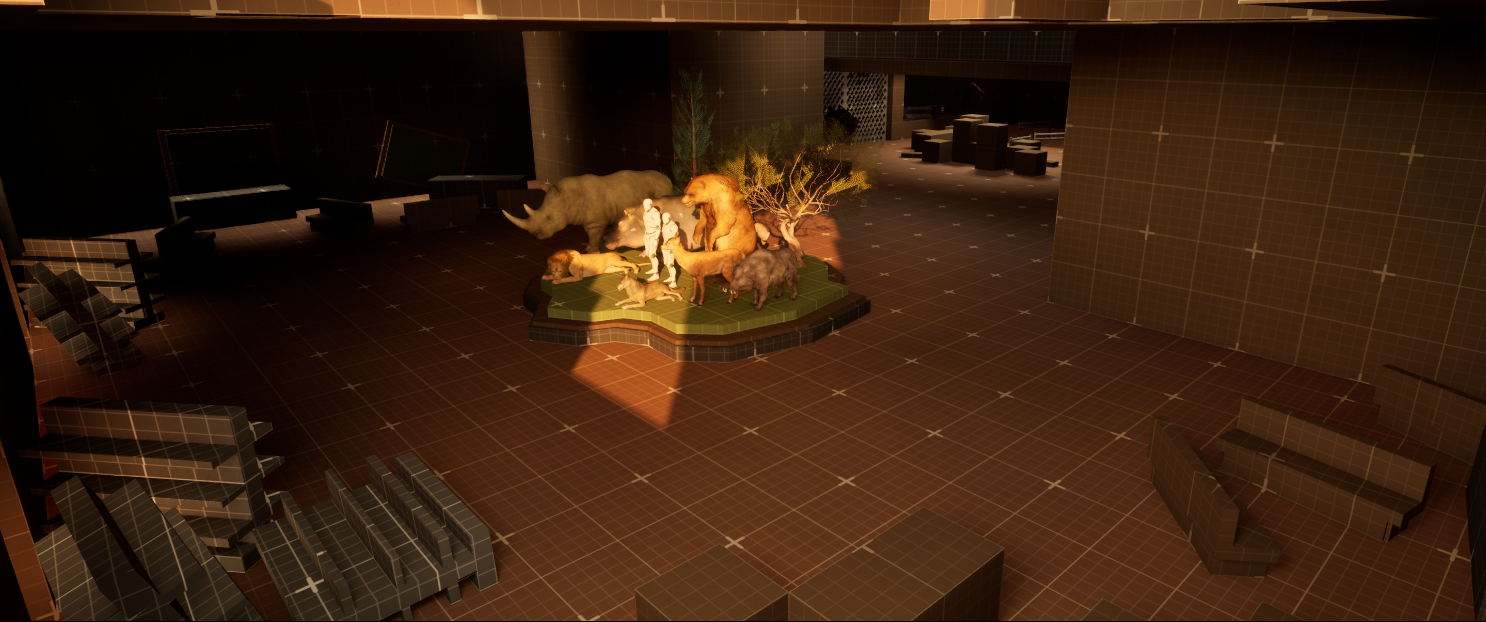
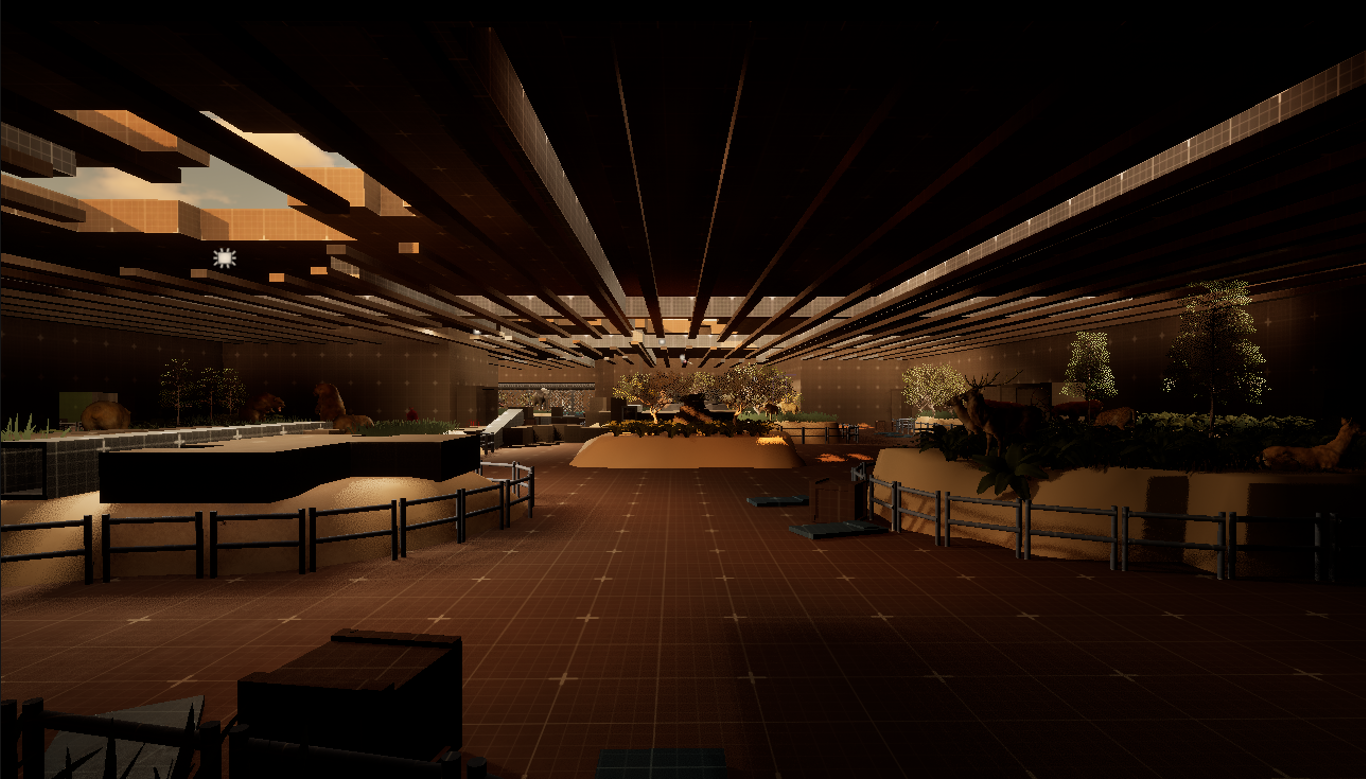
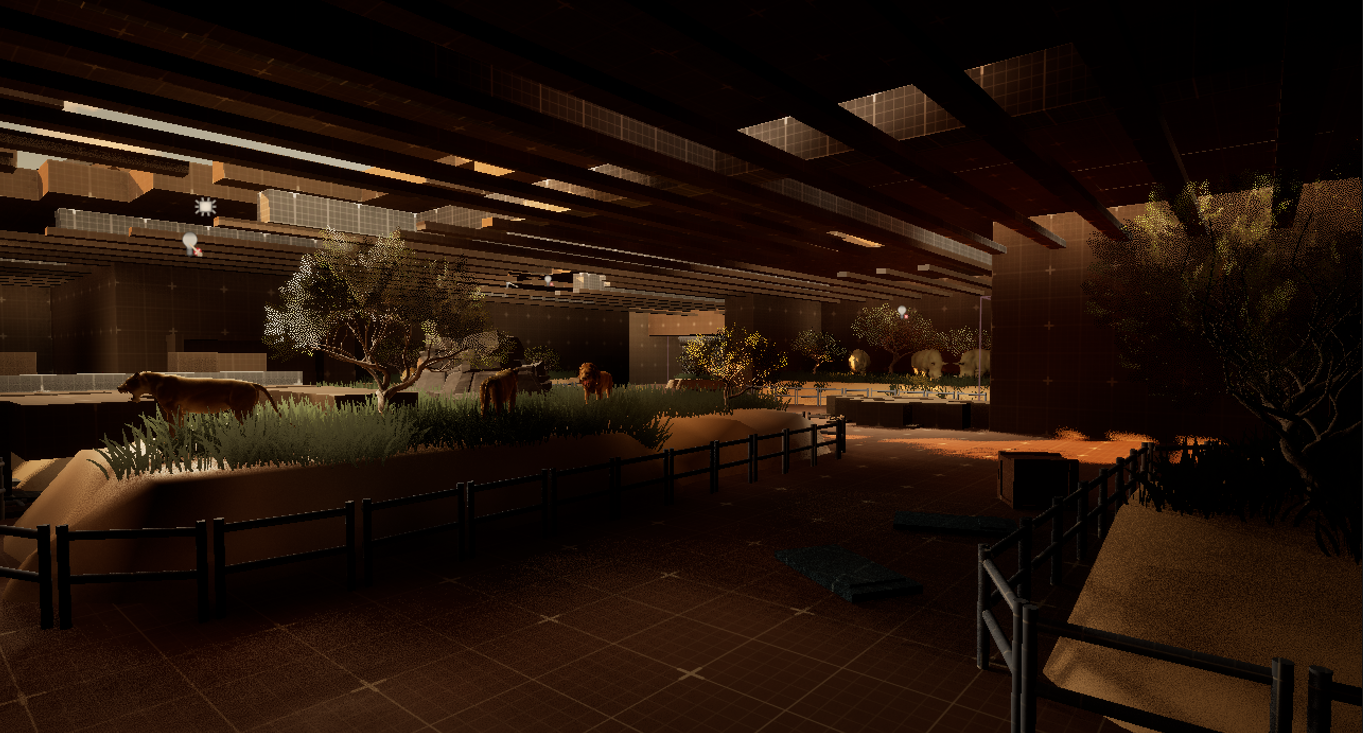
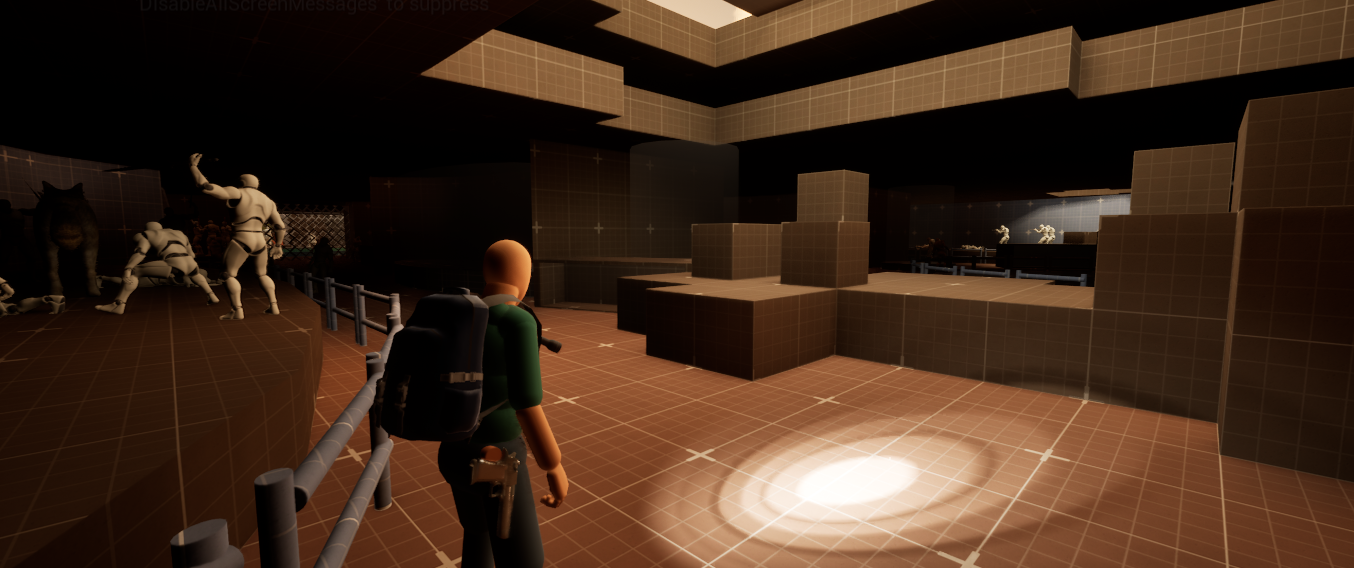
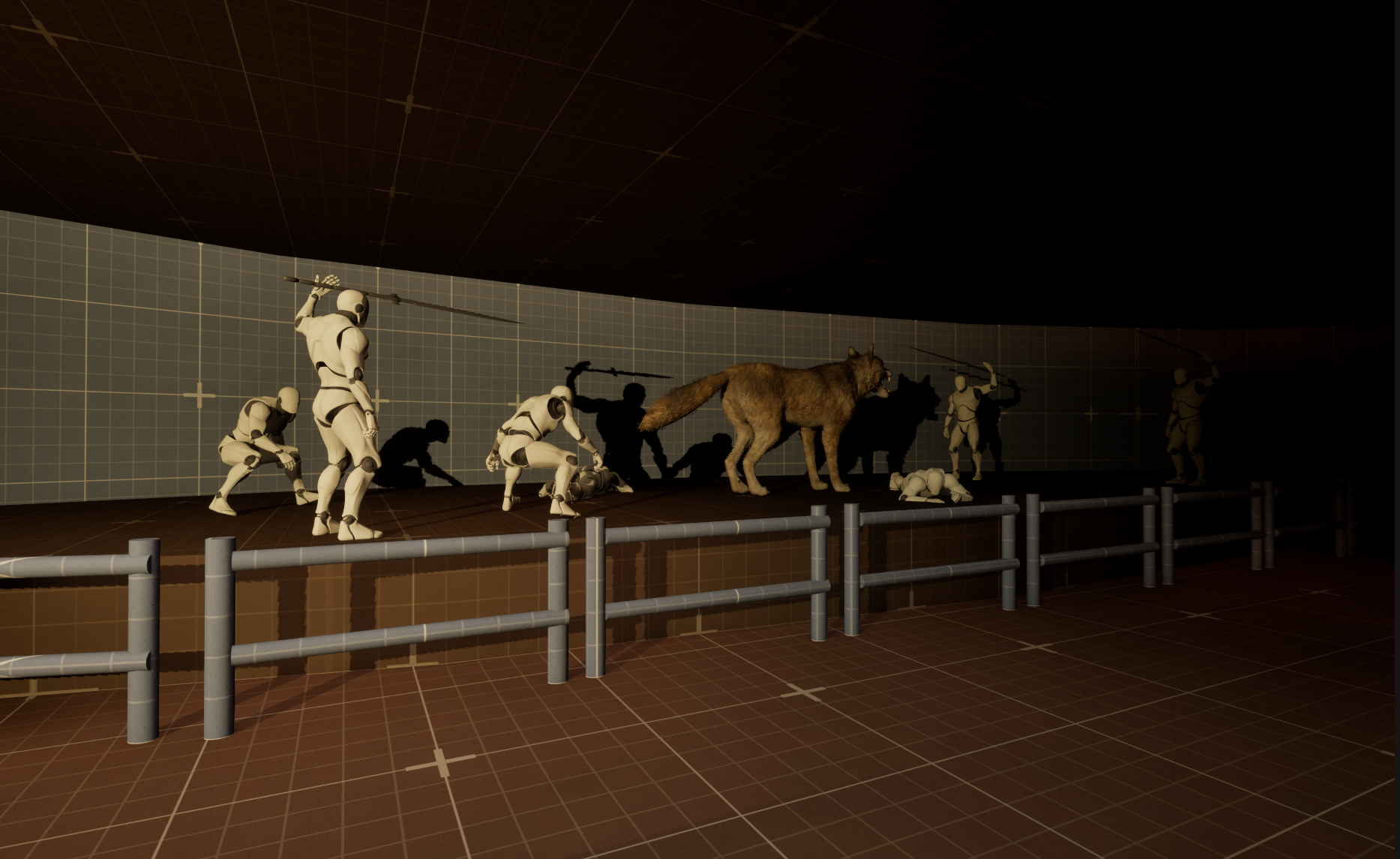
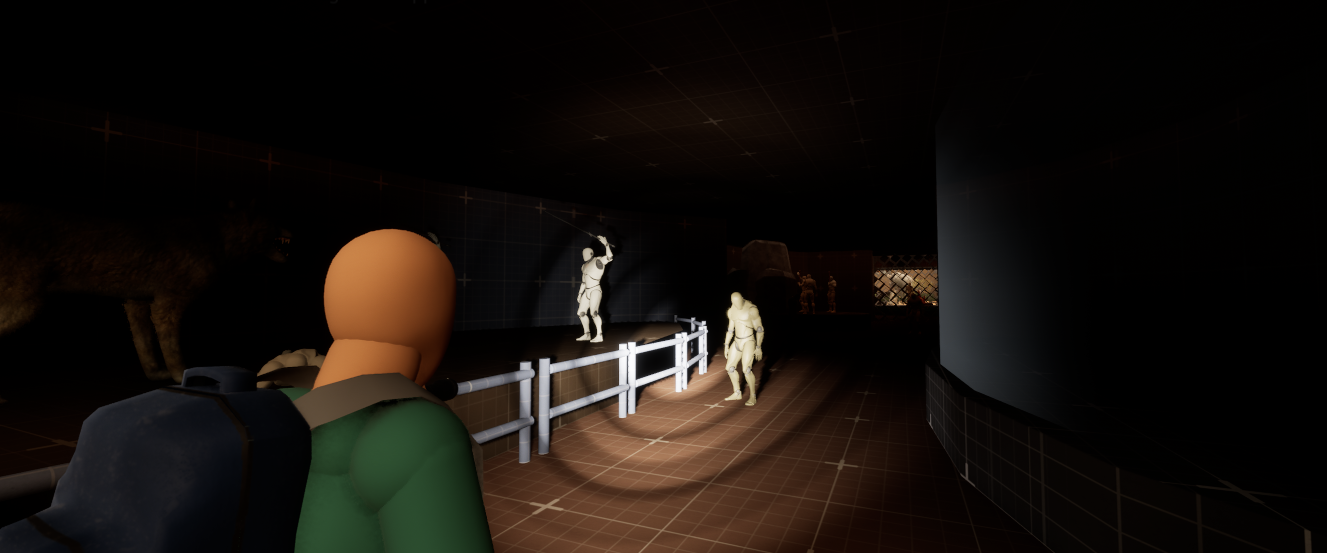
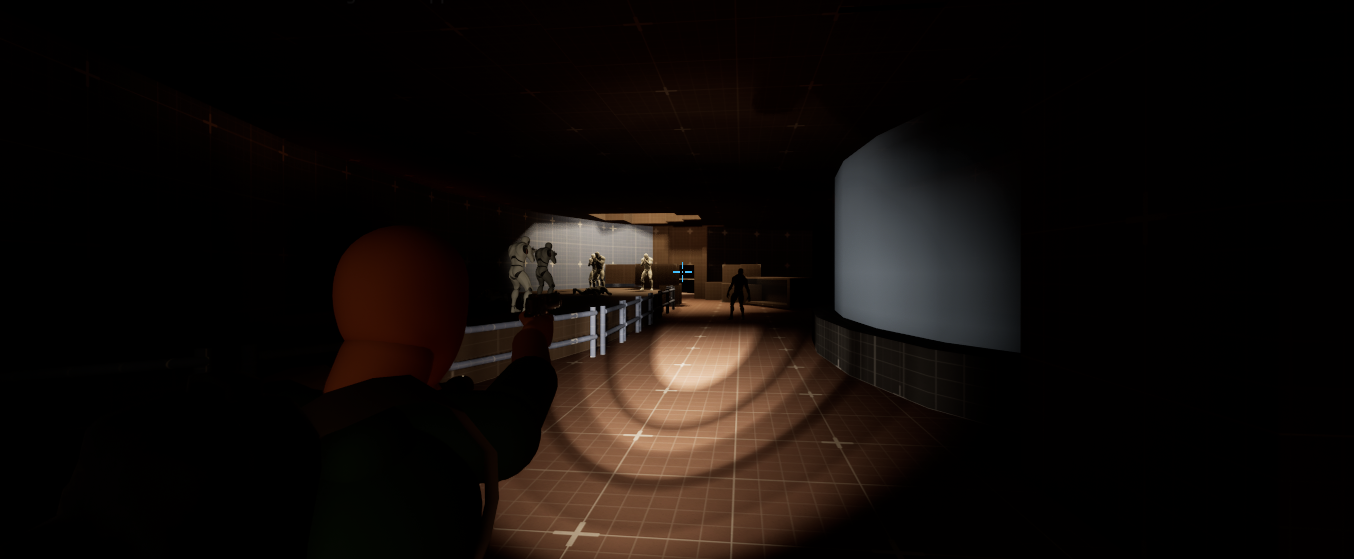
I revised the overall layout of the wildlife section displays within the museum. Initially, the pathway opened into two directions, then two again, and eventually three possible routes. I felt this structure could be overwhelming and potentially confusing for the player.
To improve clarity and flow, I simplified the layout to follow a progression of one path, then two, then back to one, and finally one again. This created a more controlled and linear experience, reducing the likelihood of the player getting lost while also guiding them toward the key areas I intended them to encounter.


Power room

The Museum
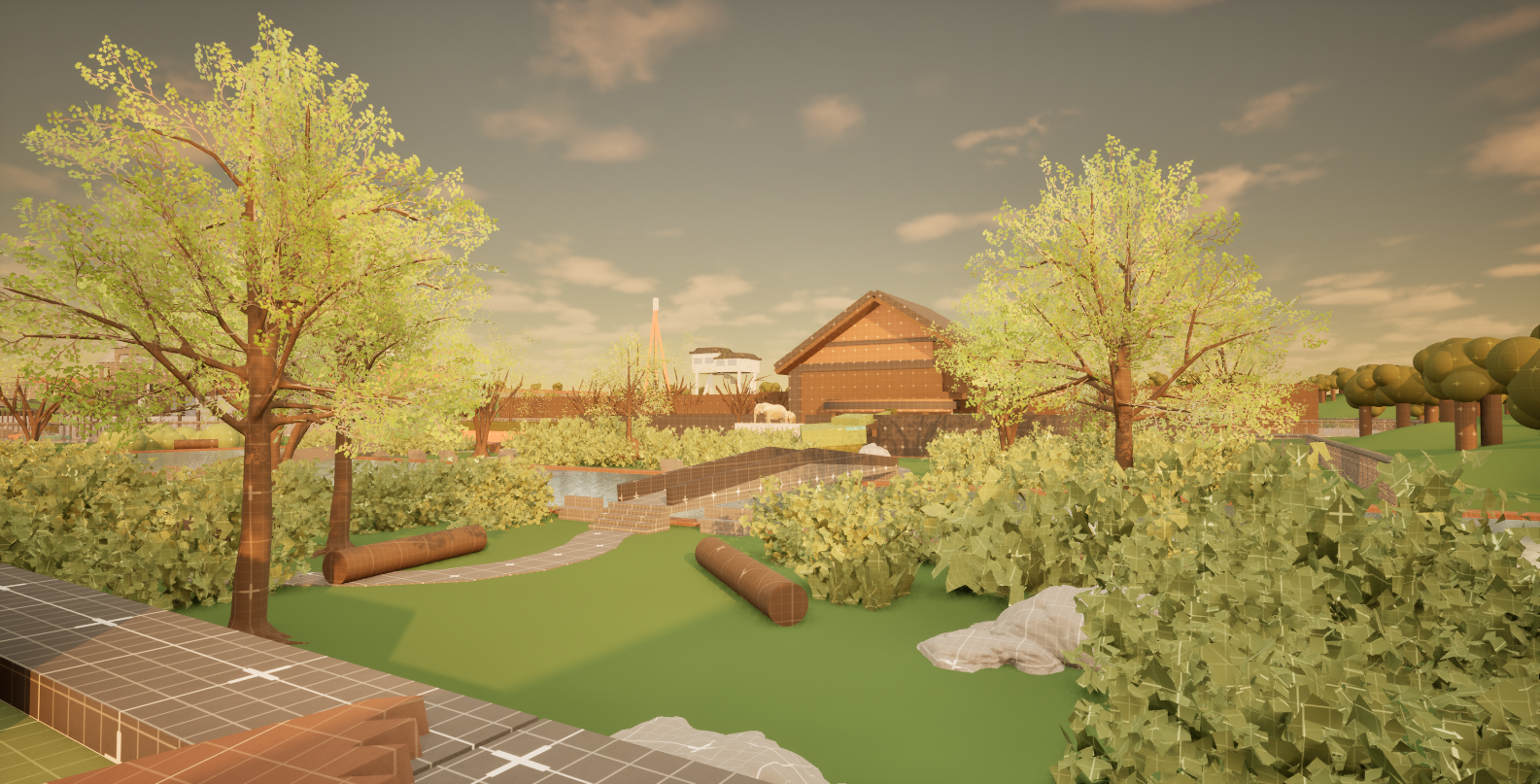
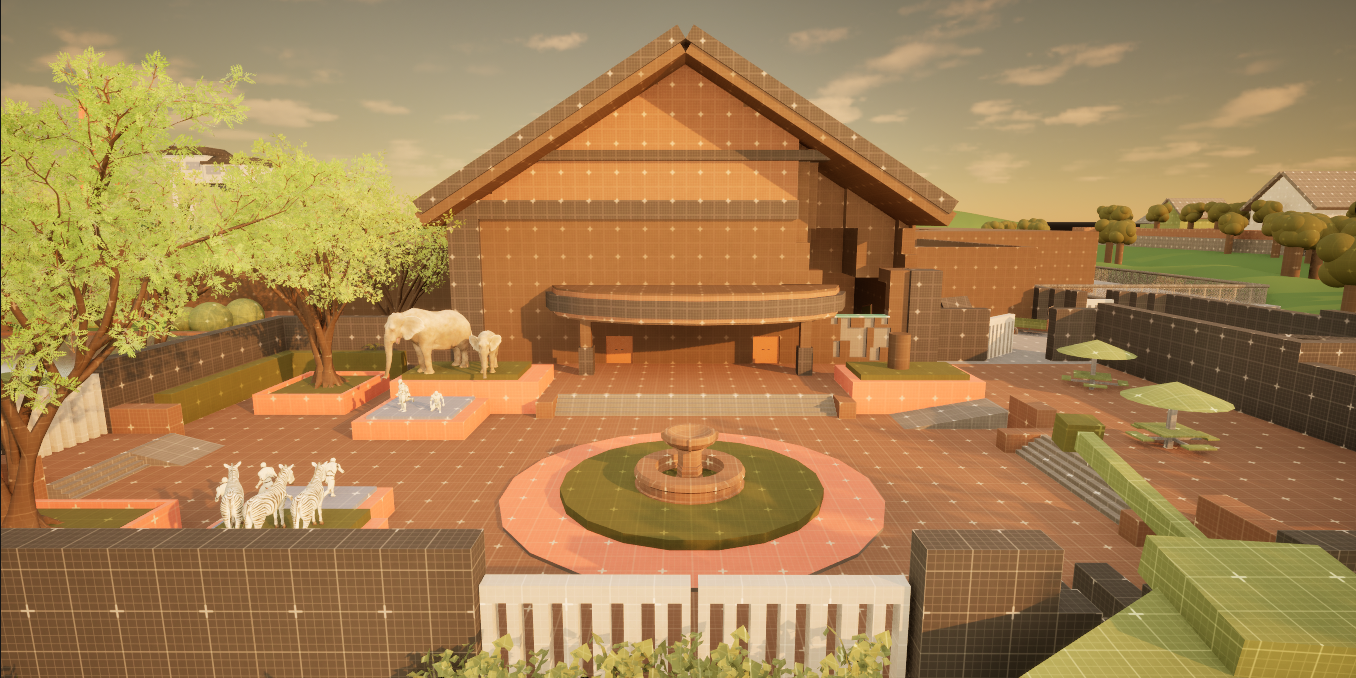
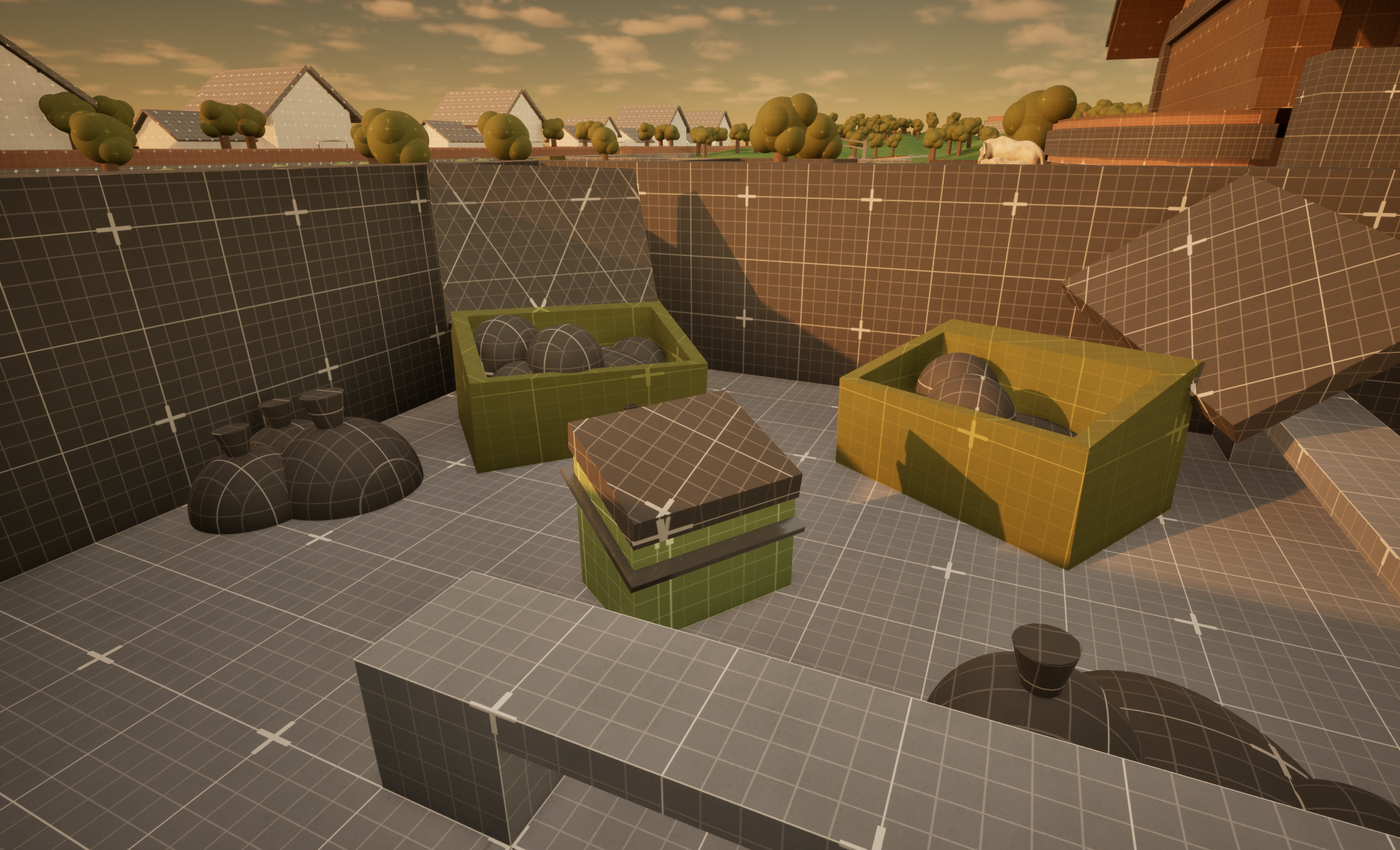
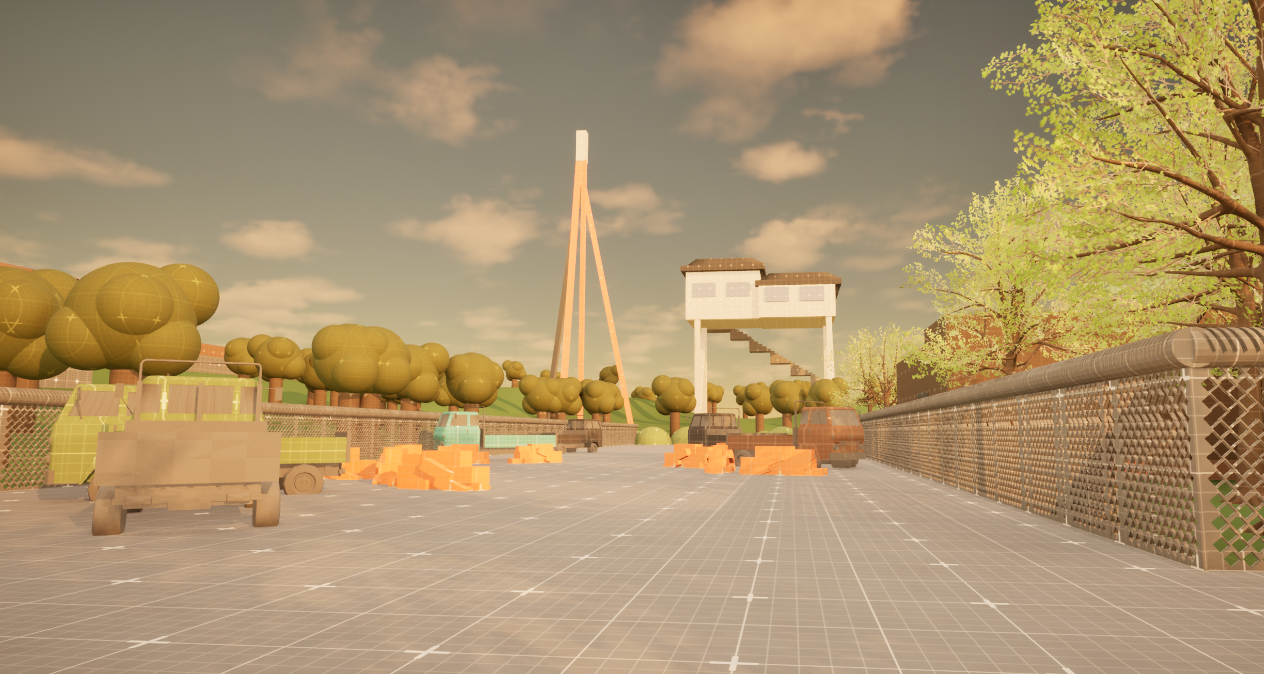
For the exterior of the museum, I realized there needed to be greater use of negative space to help guide the player toward the correct path. To address this, I incorporated additional environmental elements such as foliage, vegetation, statues, and fences around the entrance area.
These additions not only helped direct the player’s movement but also gave the space a stronger visual identity. They contributed to a more detailed and engaging environment, providing the area with greater visual interest and a clearer sense of place. I also needed to incorporate more boundaries, to give the player more of a setting and immersion.
First iteration
First iteration
Final iteration
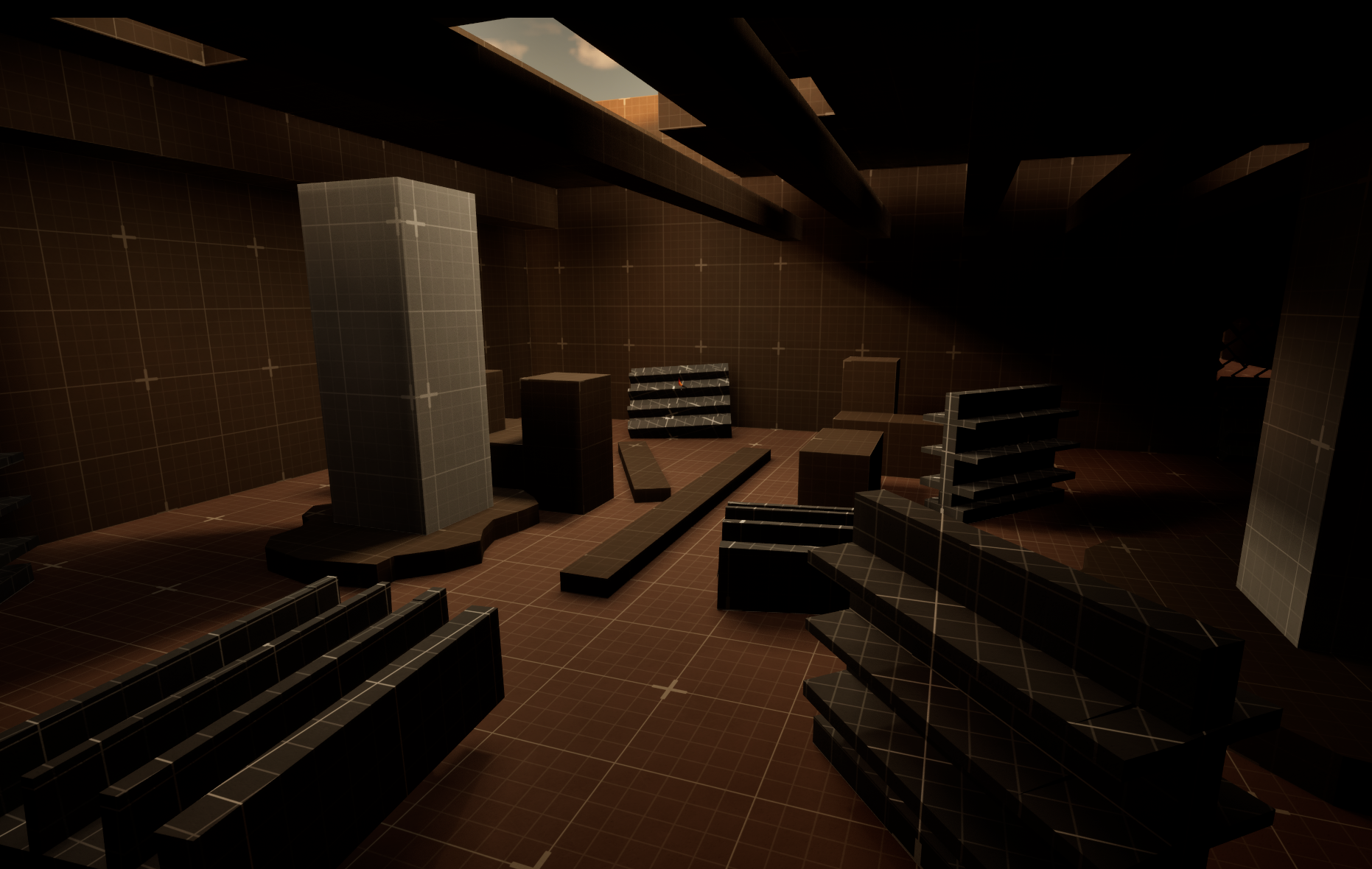
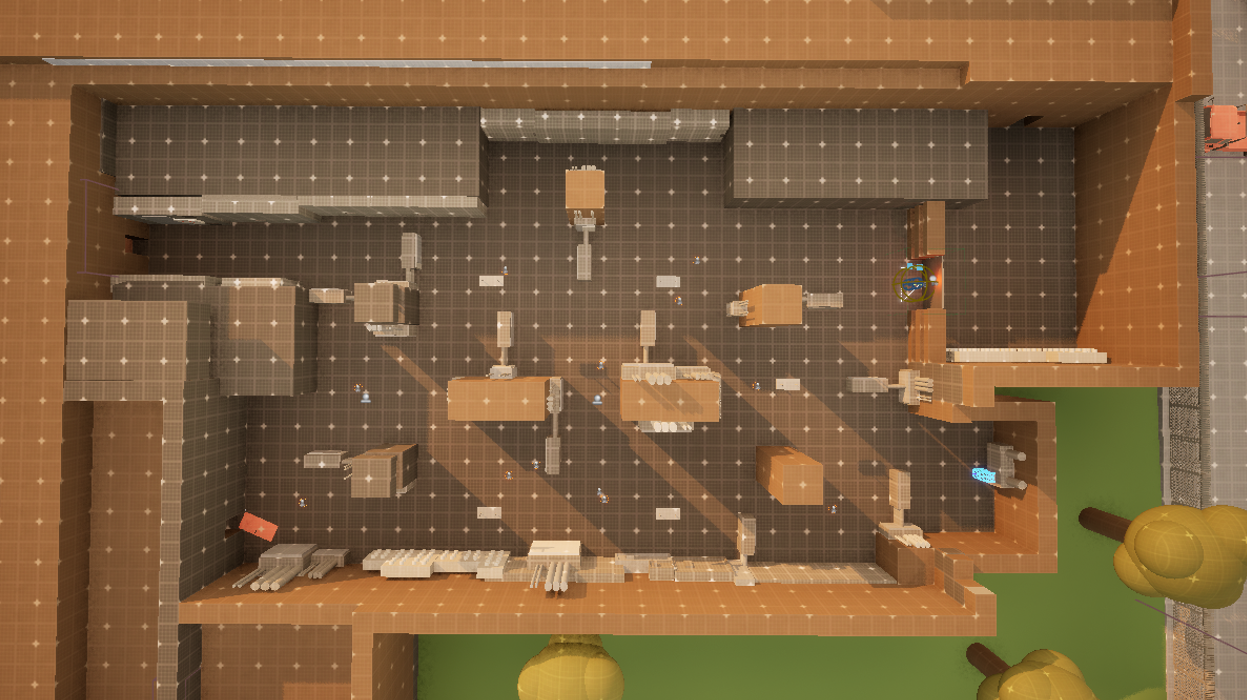
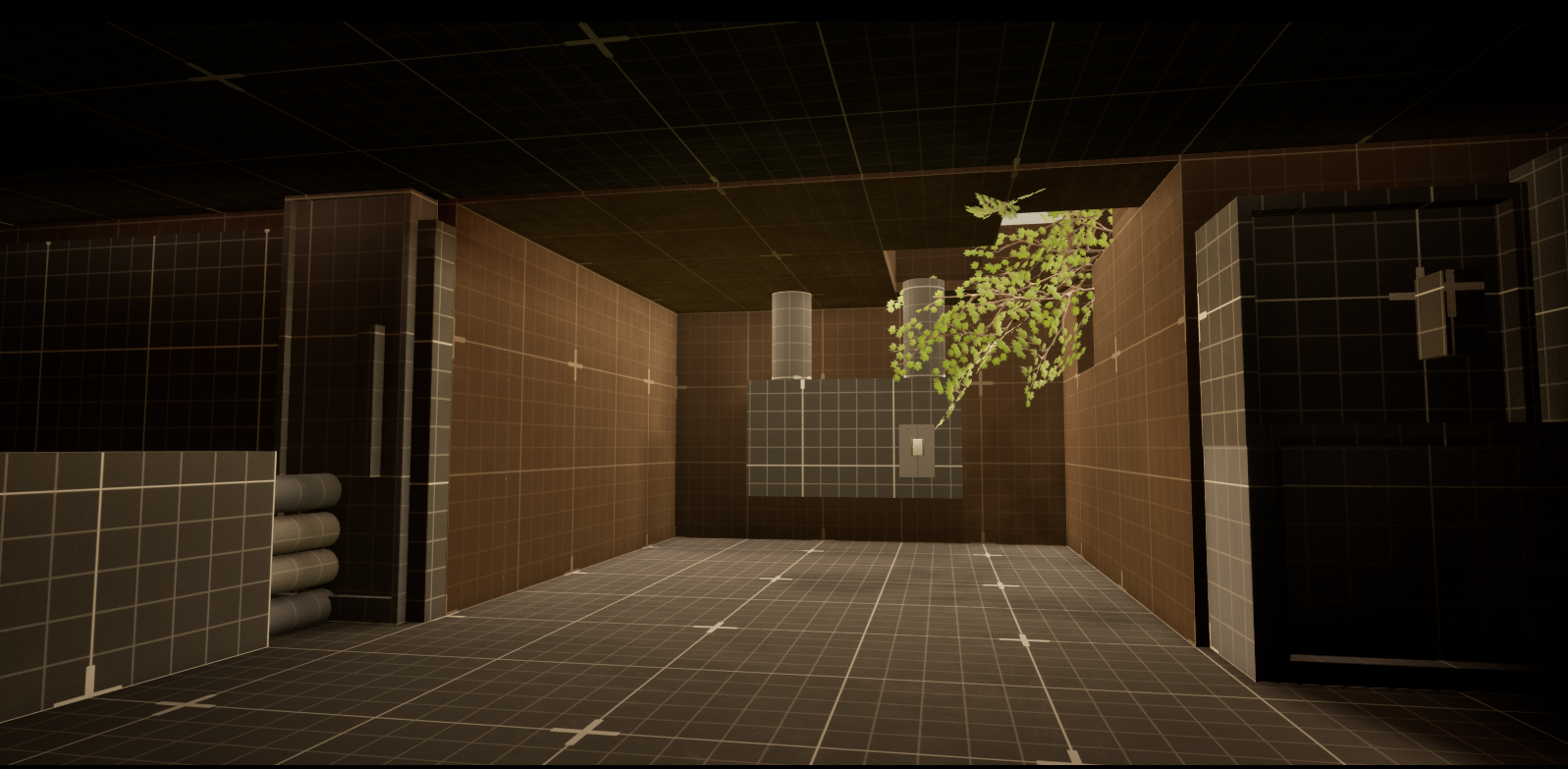
Initially, the power room section of the museum had the power box located next to the exit gate. I decided to move the power box farther away from the exit gate to encourage the player to explore the area than to have it located conveniently next to the exit. I used natural lighting instead of red to illuminate the box to guide the player towards it.
This also increases the challenge of the player of having to safely make it to the exit rather than the exit being extremely close, reducing the intensity and difficulty of the combat space because they do not have to travel a large distance.

Final iteration
Humanities
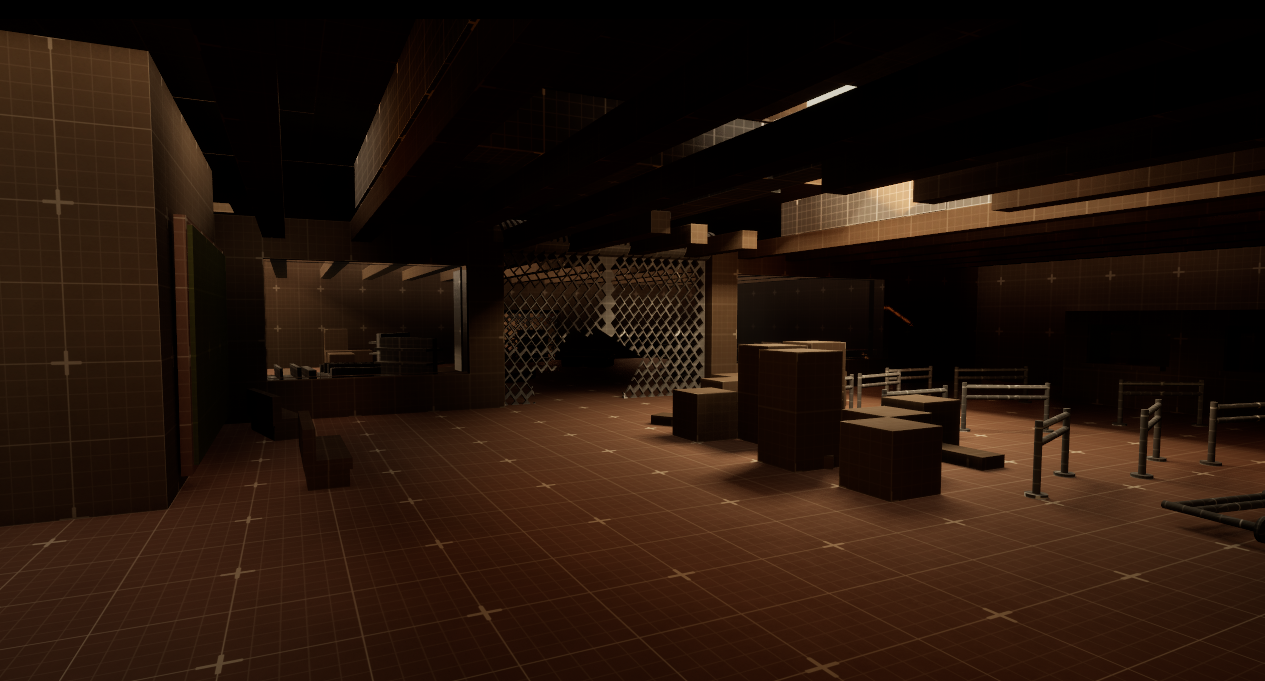
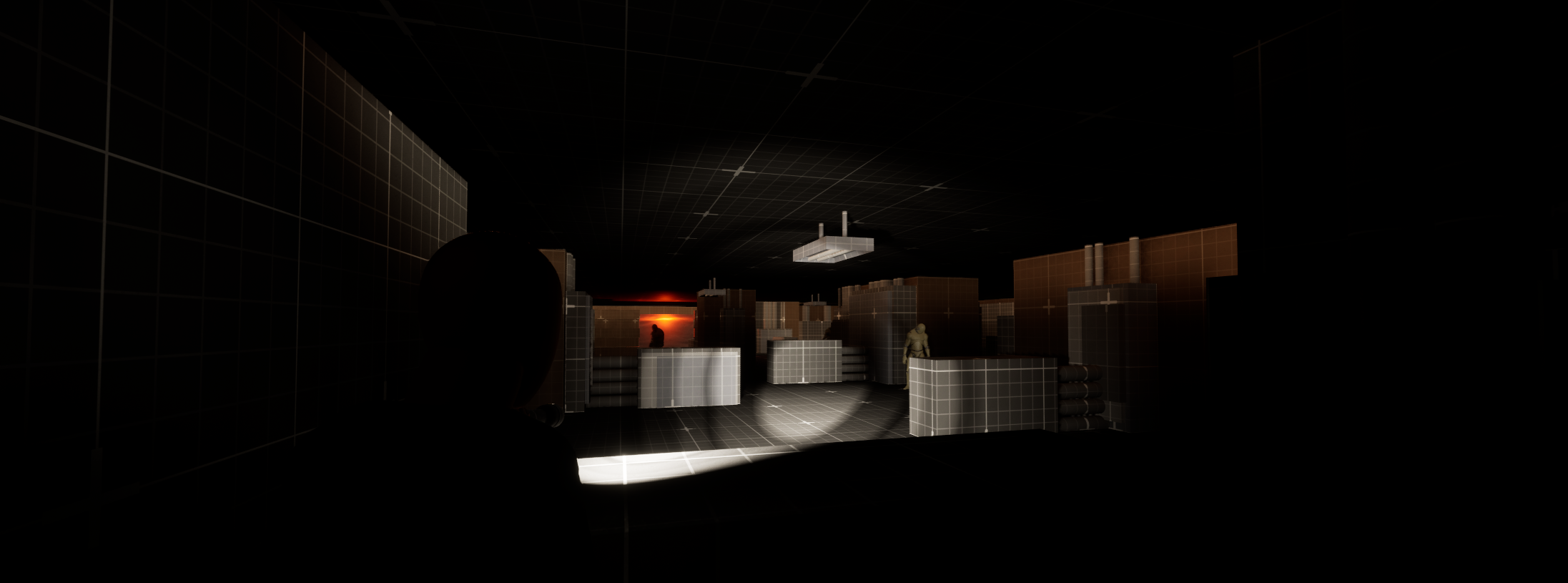
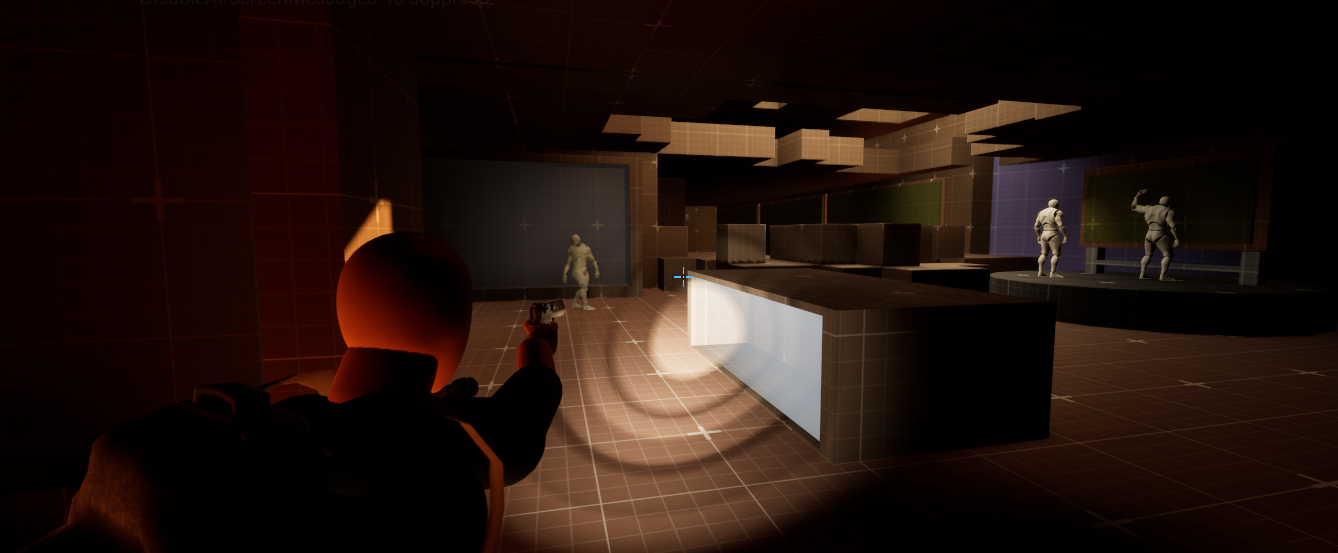
The design of the humanities section was adjusted to better facilitate combat. Using I made the new design lead the player into the combat space, as to not overwhelm them right out the gate. The space facilitates a three lane design and using negative space, the player can loop enemies to avoid or survive combat while reducing the possibility of getting lost or confused.


First iteration
Final iteration
Metrics Gym
Before beginning the block out, I created a metrics gym. This space allowed me to establish and test key gameplay, architectural, and combat metrics before implementing them in the level.


Interactable objects

Combat
Shooting range preview
Combat test preview