Research Lab 1590 (Destiny 2)
Solo project
Enter Research Lab 1590 with the objective of eliminating the Vex leader known as The Mind. This enemy is rumored to be competing with Eremis for access to dangerous Clovis Bray technology
Position: Level designer
Engine: Unreal Engine
Development period: 4 weeks
Tools:
Illustrator
PowerPoint
Unreal Engine
Perforce
TF2 kit
Rock pack
Responsibilities:
Wrote a LDD to formulate and plan my ideas for the level.
Designed a map using Illustrator to combine all the concepts together.
Built a metrics gym to get an idea of scale and combat.
Blueprinted different gameplay features.
Utilized UE modeling tools to create the block out.
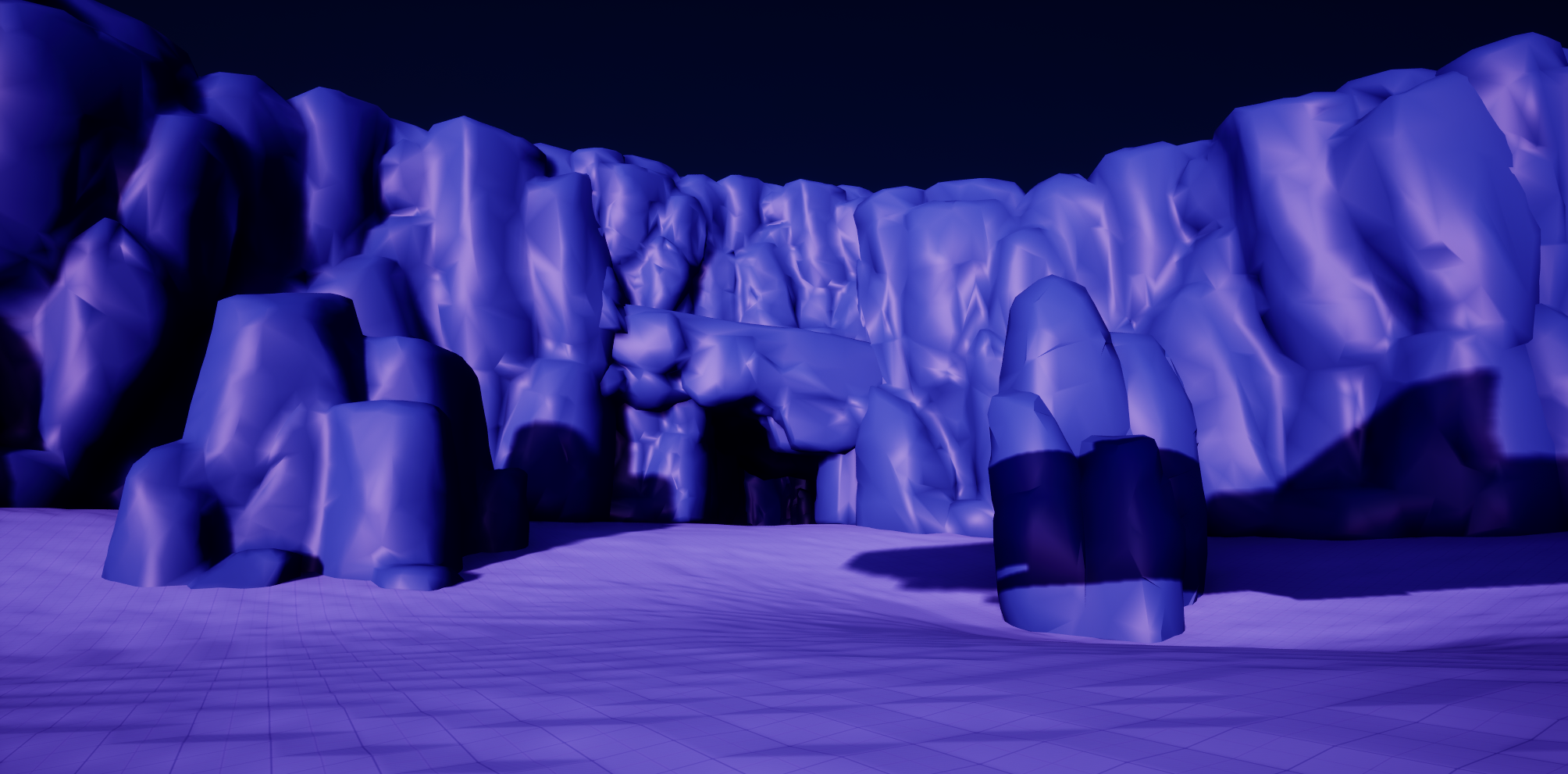
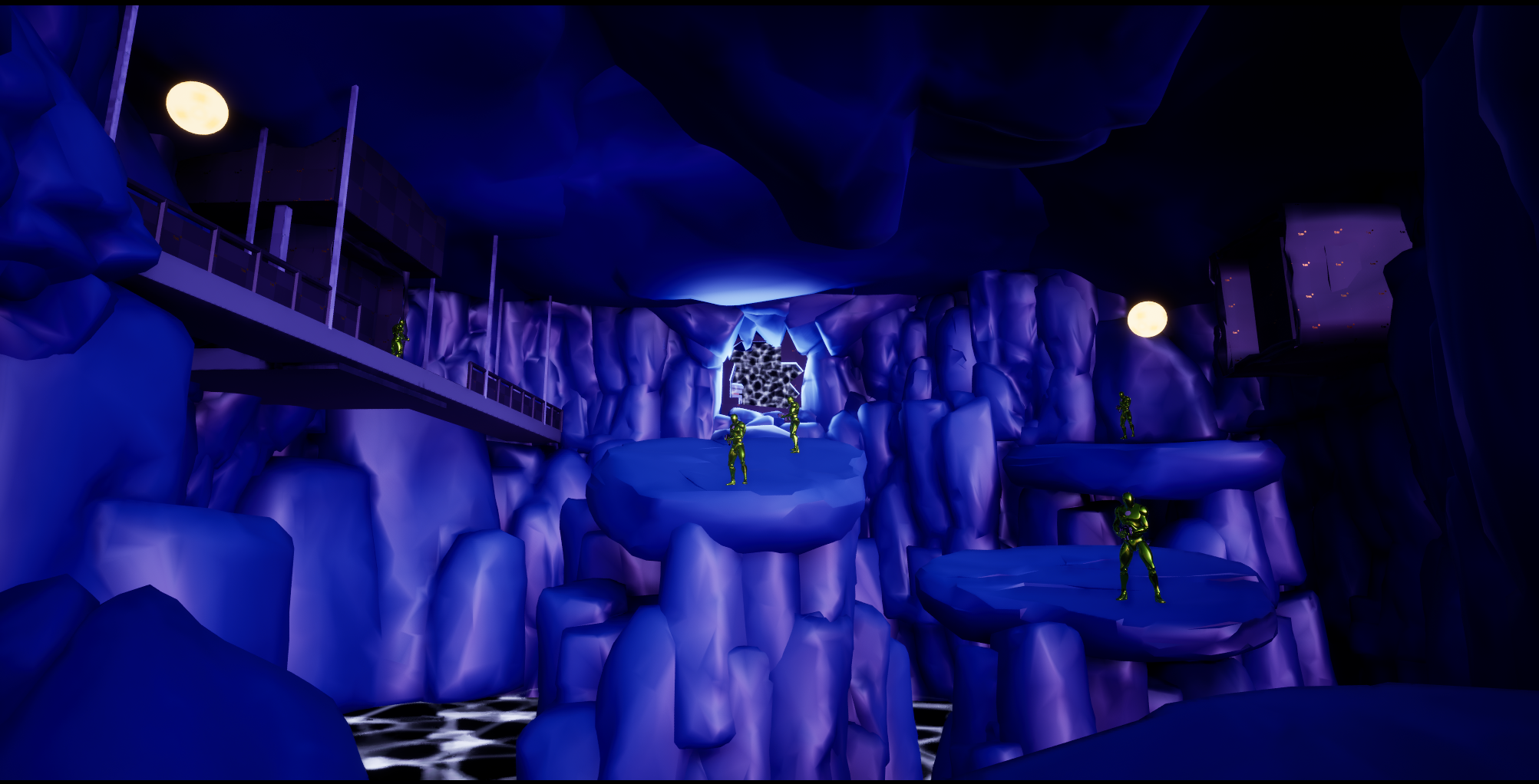
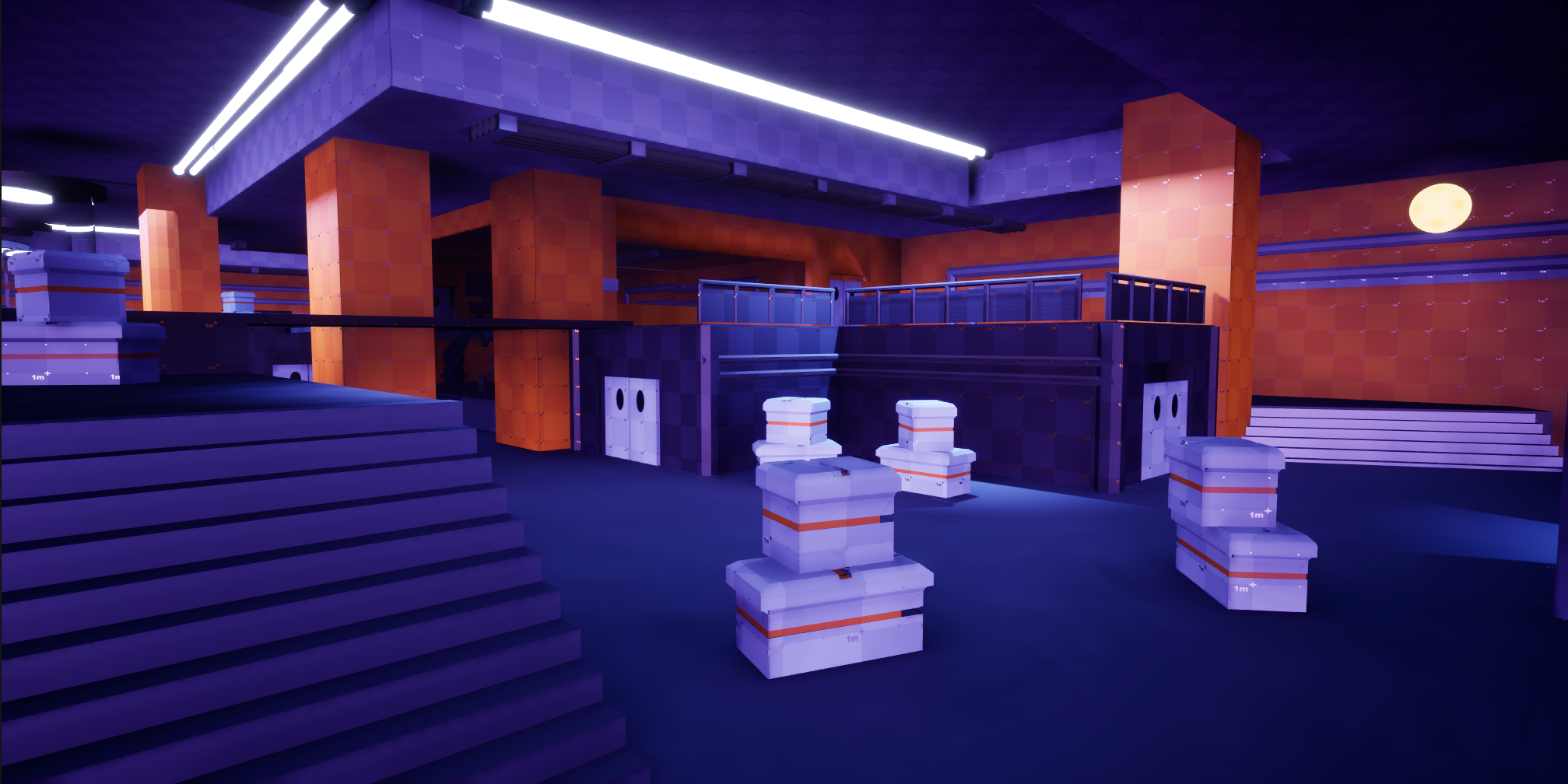
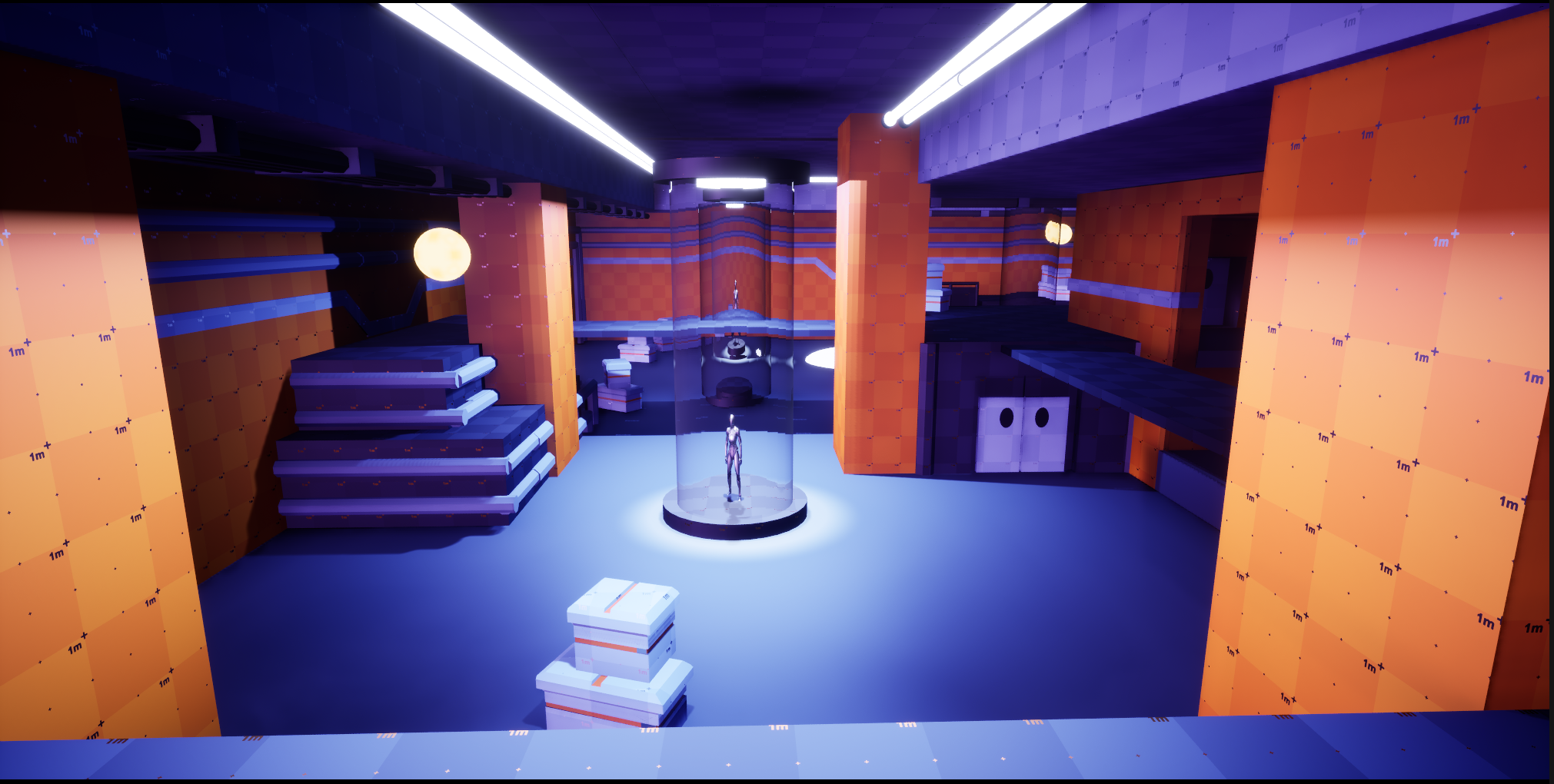
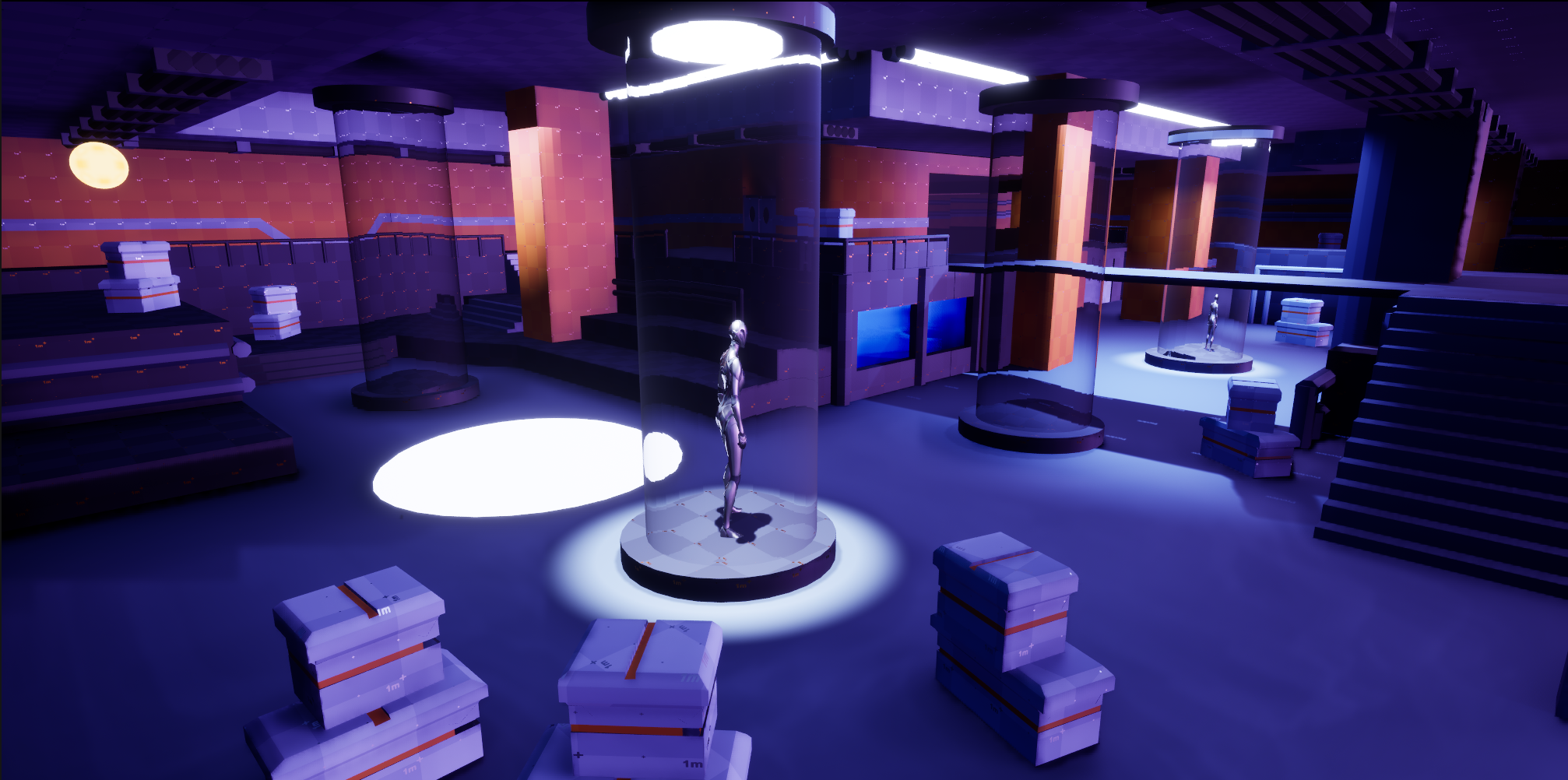
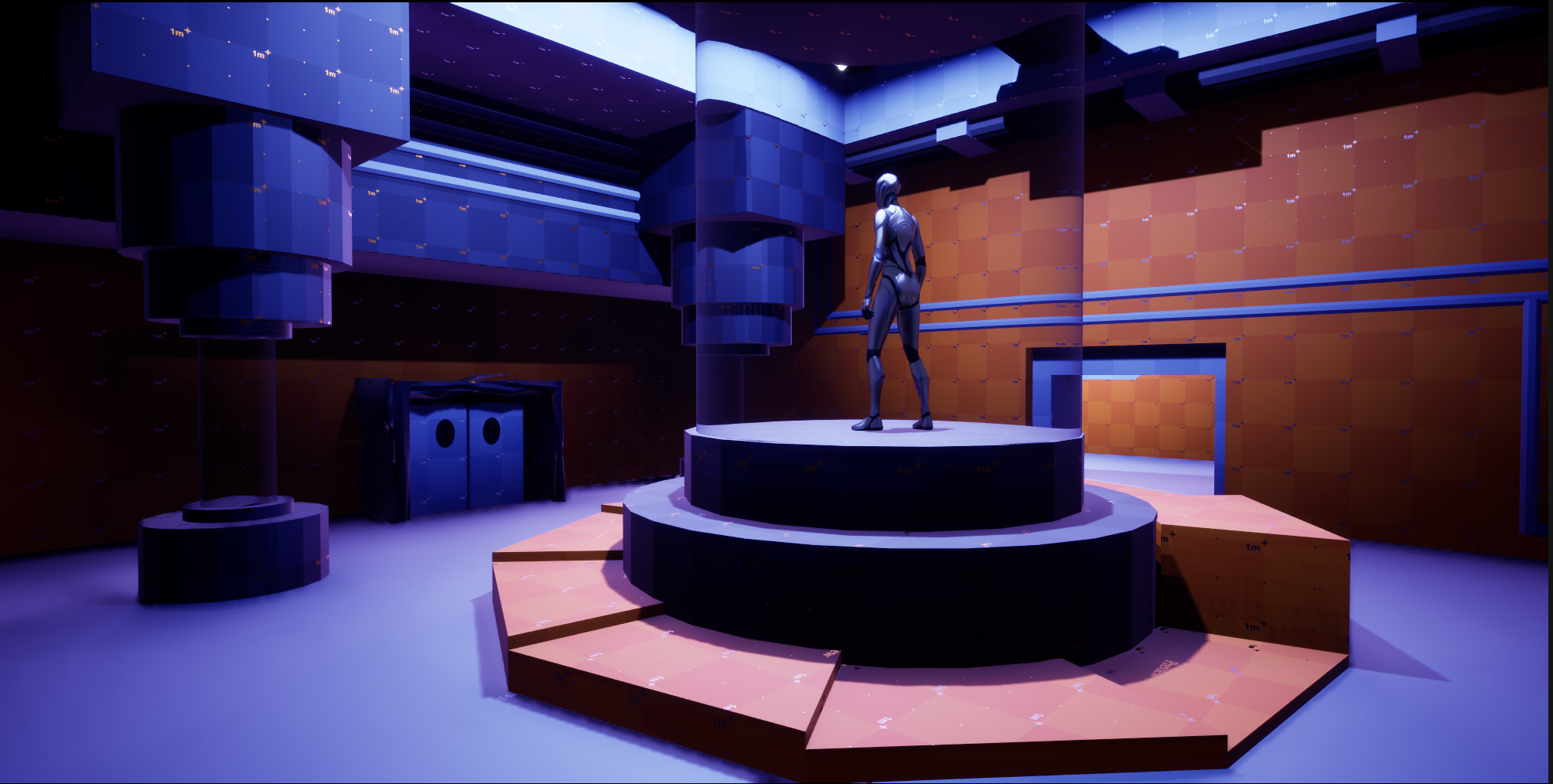
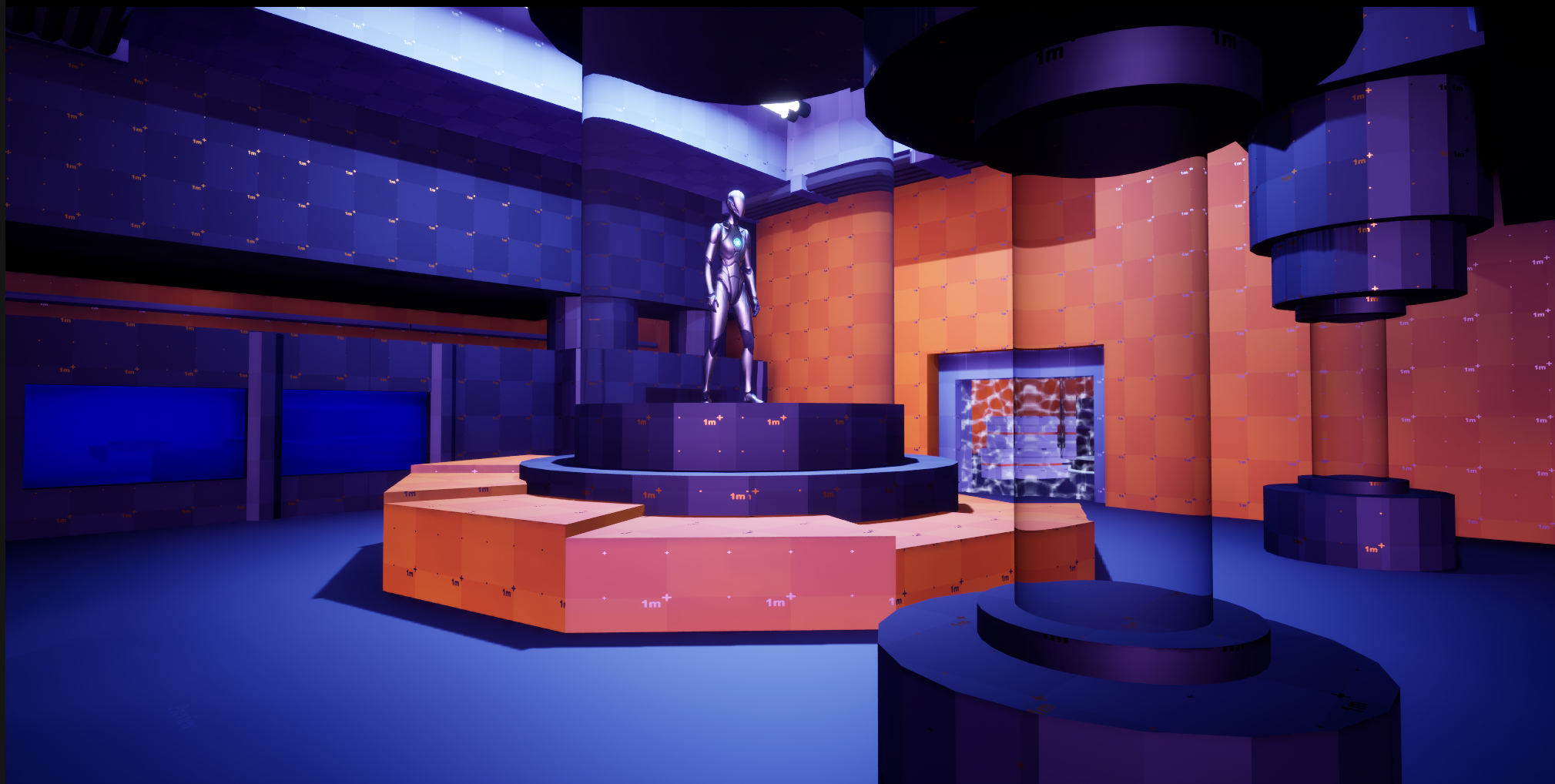
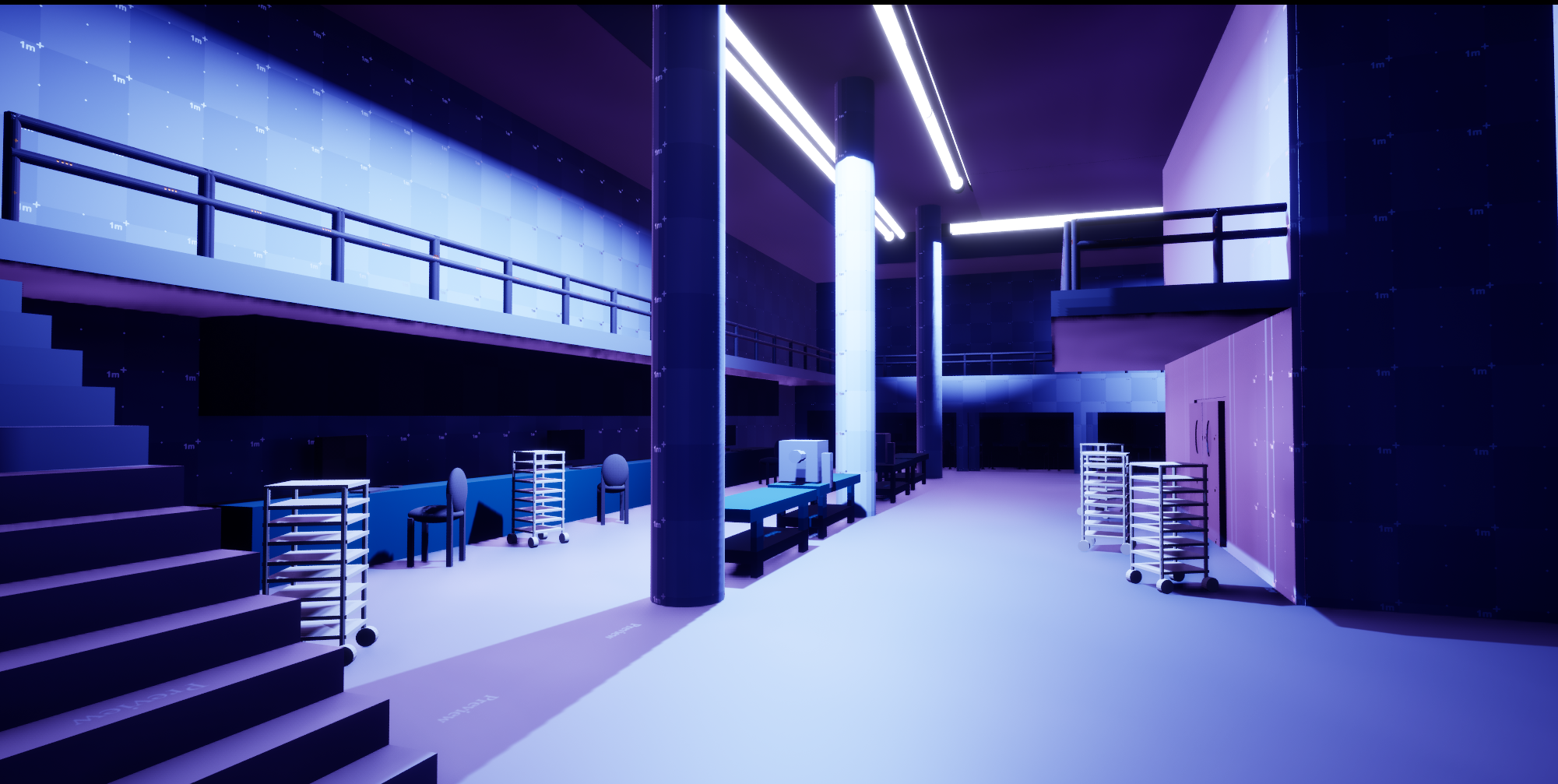
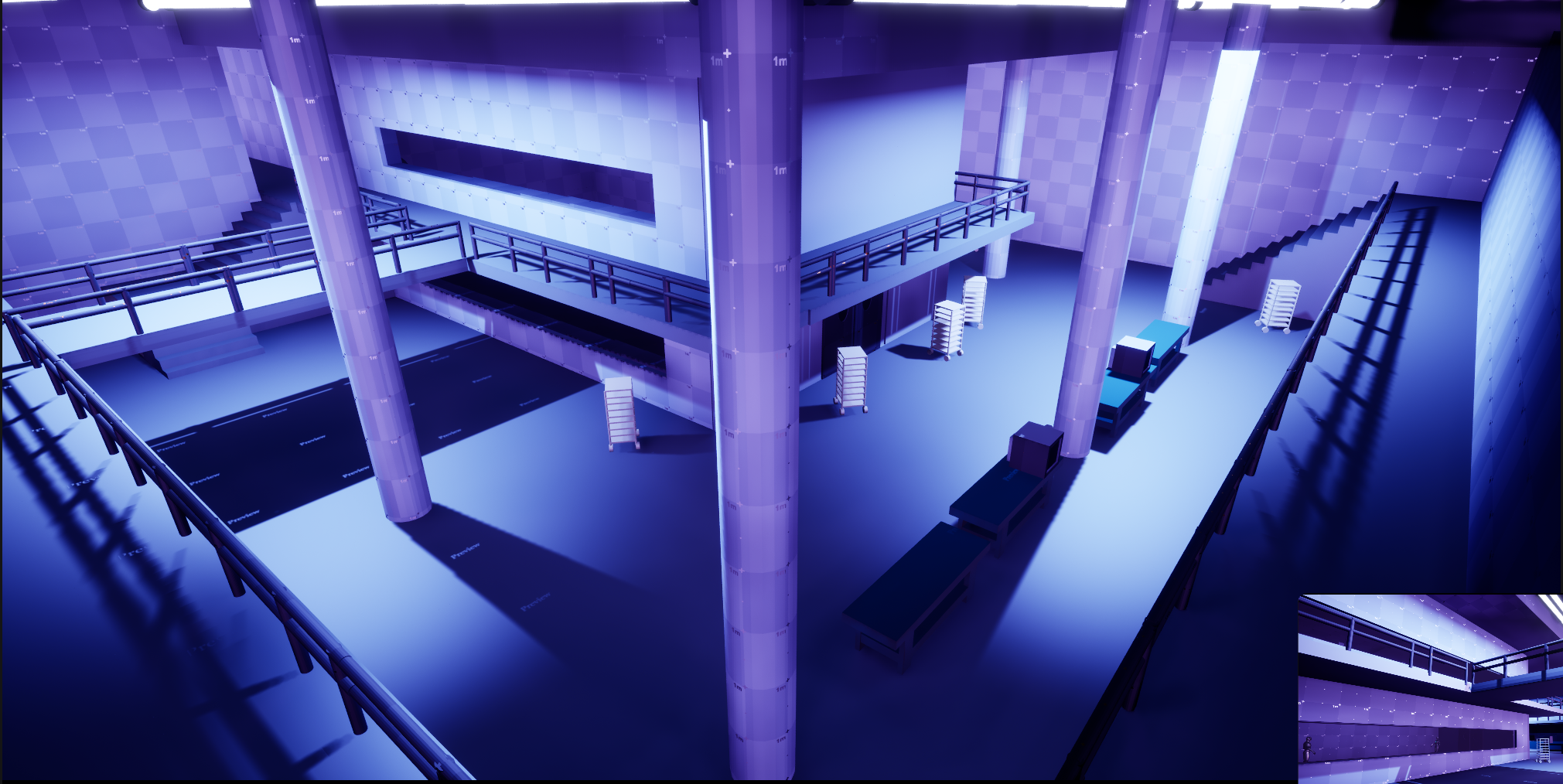
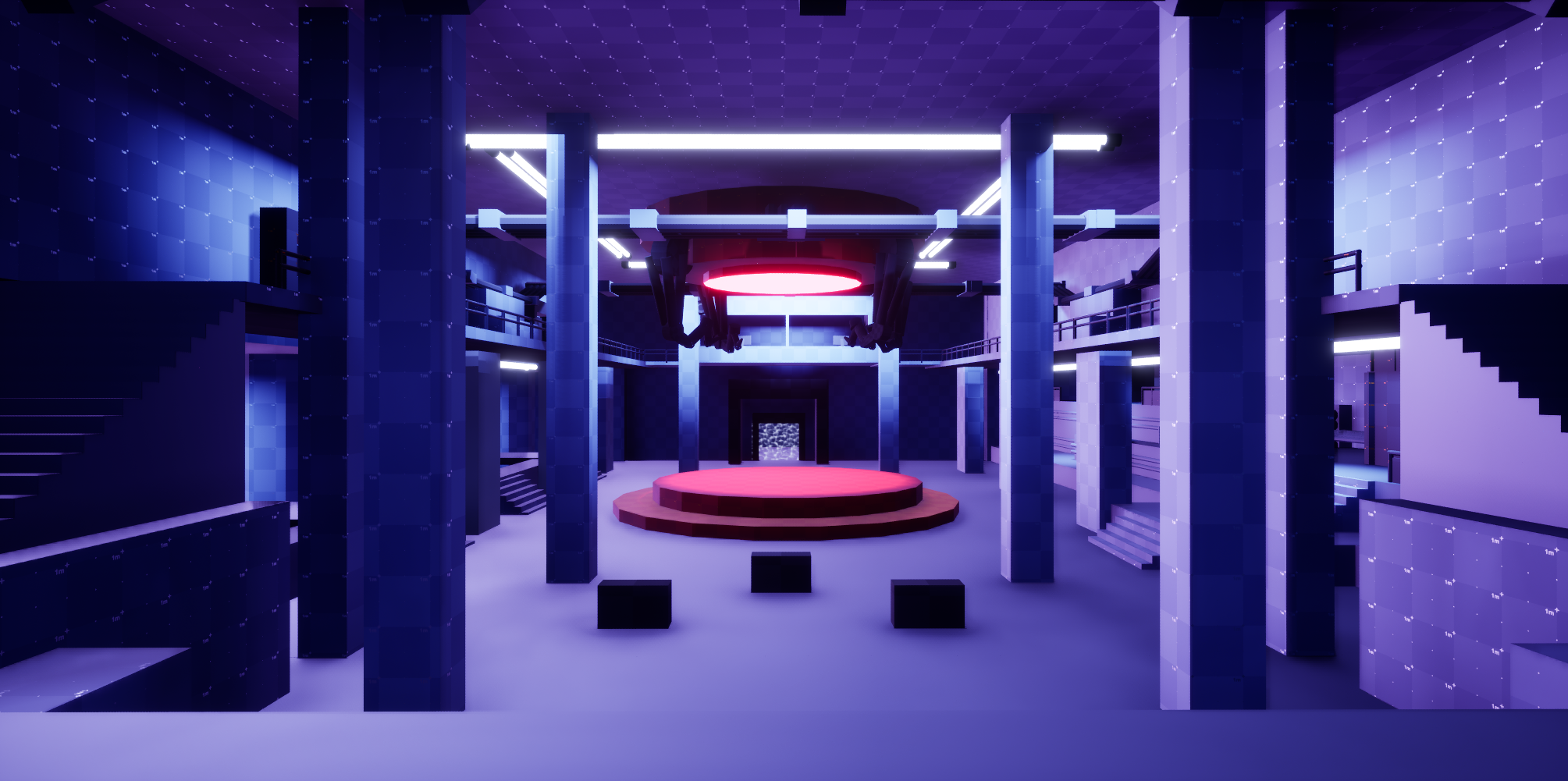
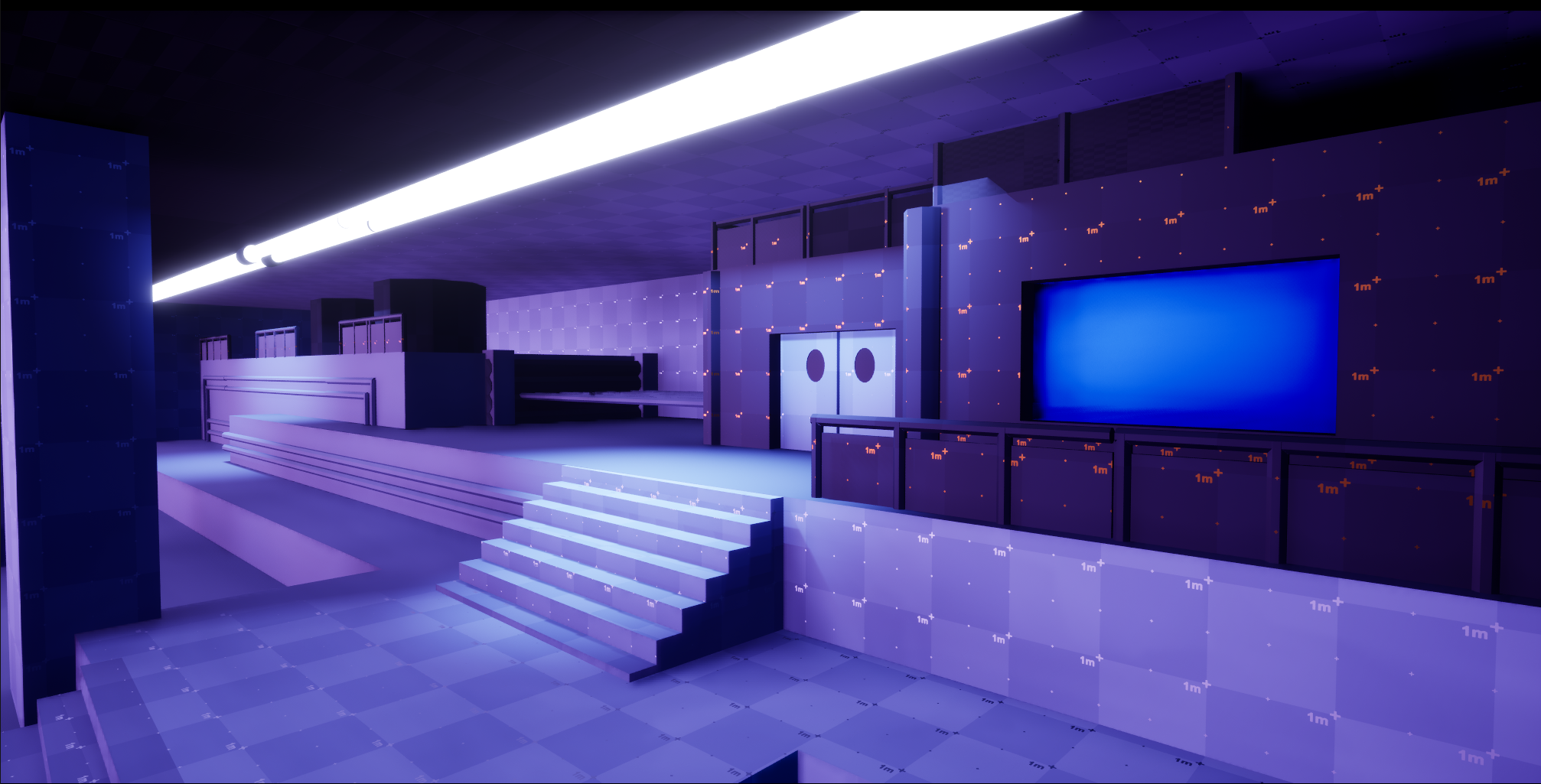
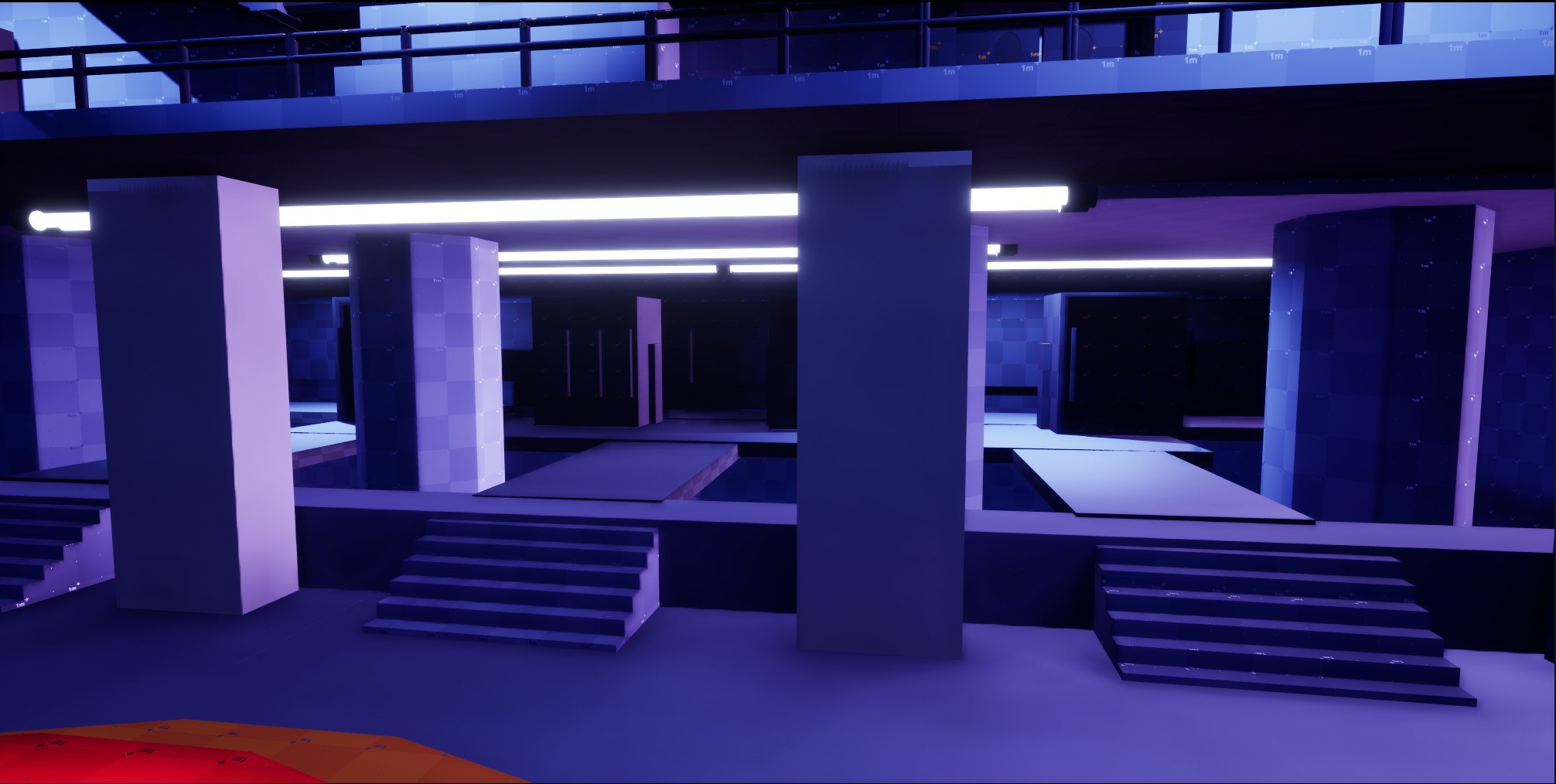
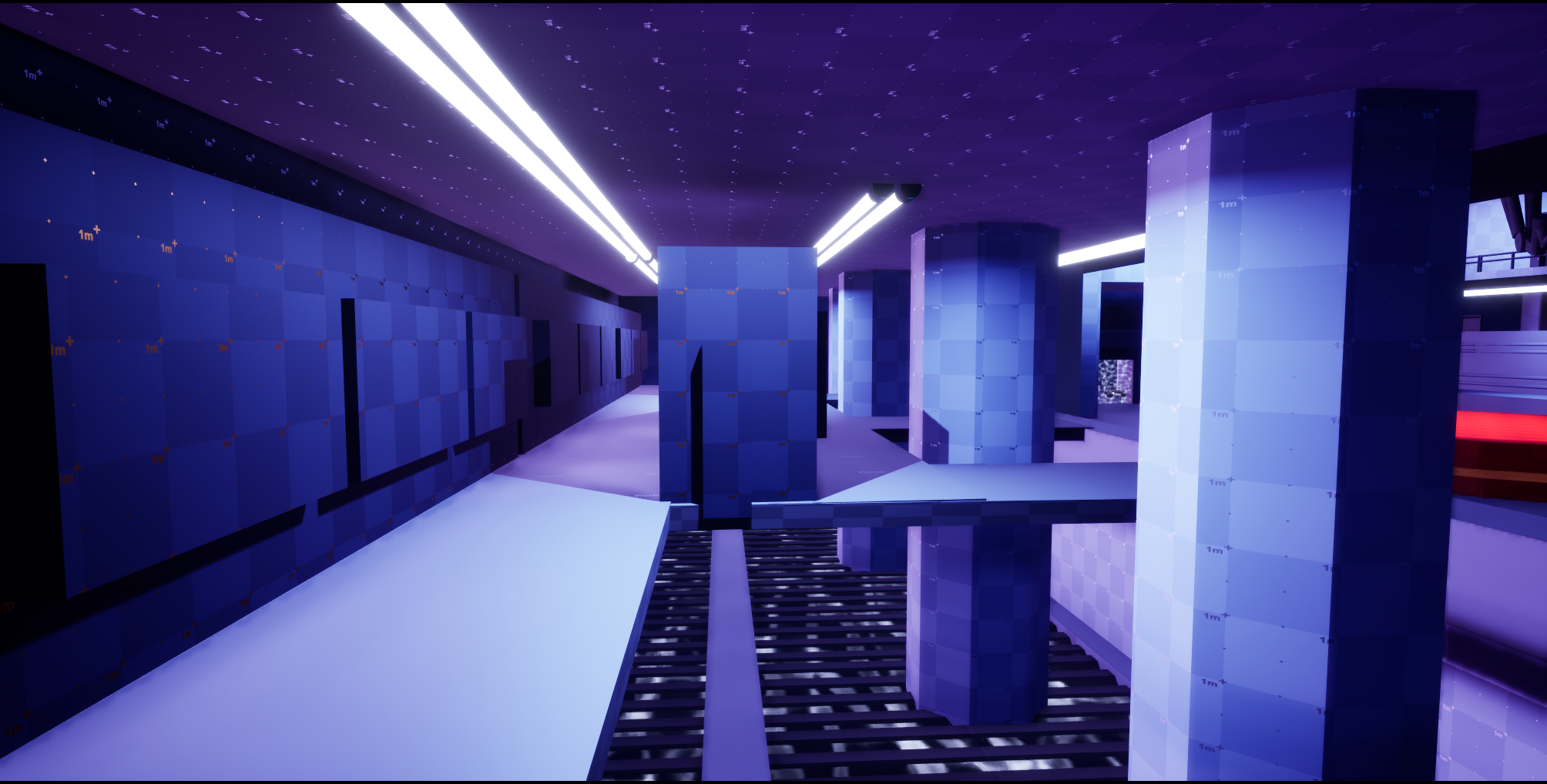
Planning
I created a level design document using PowerPoint to plan and organize my ideas for the level. This document included sections outlining the narrative, design focus, and summaries of key locations and features within the level.
References
I gathered reference material of Europa from Destiny 2, specifically lost sectors. Icy locations on earth like Antarctica and caverns, and scientific labs and research areas.
These references were highly valuable in shaping the overall design of the level. They helped inform how the exterior Europa would be structured and provided inspiration for the visual identity and gameplay structure.


2D Map
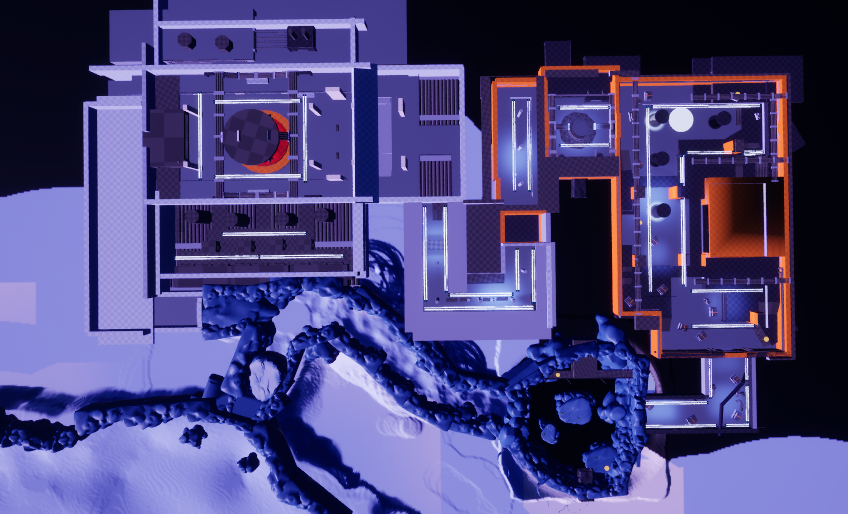
The 2D map combined the narrative, gameplay, and location features of the level into a single visual plan. It allowed me to visualize how the environment design would support combat elements such as cover, enemy spawns, and negative spacing.
Although I anticipated that the map would go through multiple iterations throughout the design process, it served as a strong starting point for understanding how these elements would come together. It also helped me better envision the overall player experience and how the level would function once fully realized.
First version

Final version
Proccesses and features
Environmental assets

Using BSPs, I was able to create some environmental assets to give some identity to rooms connecting the main encounter spaces.


Landscapes
Final iteration

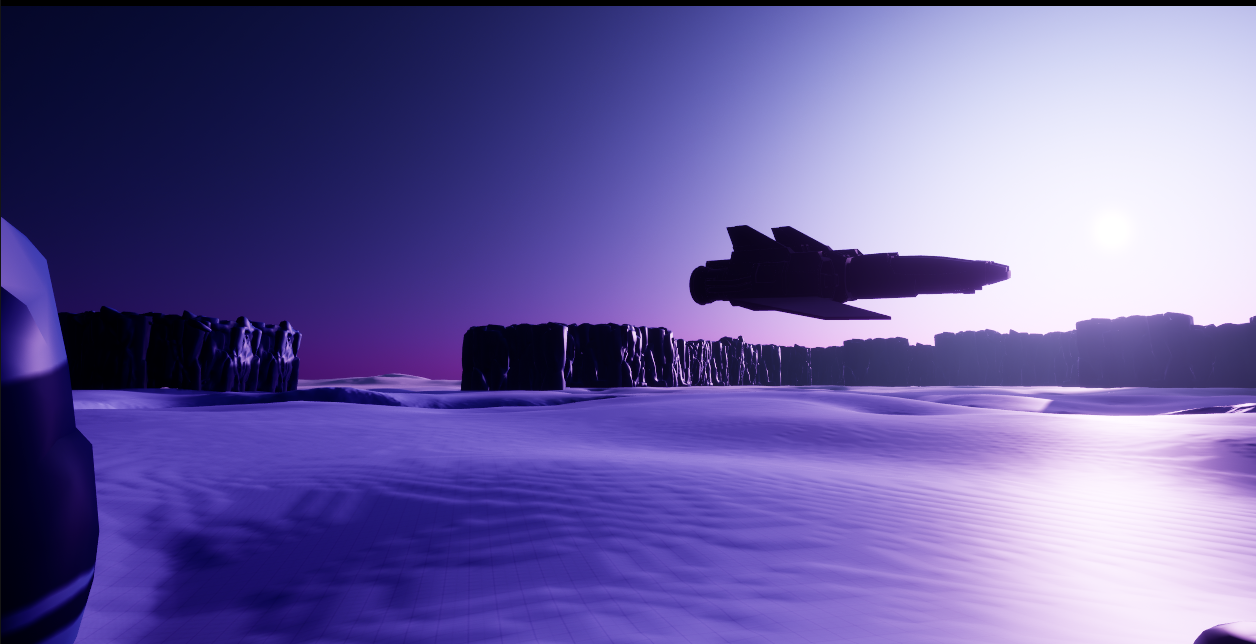
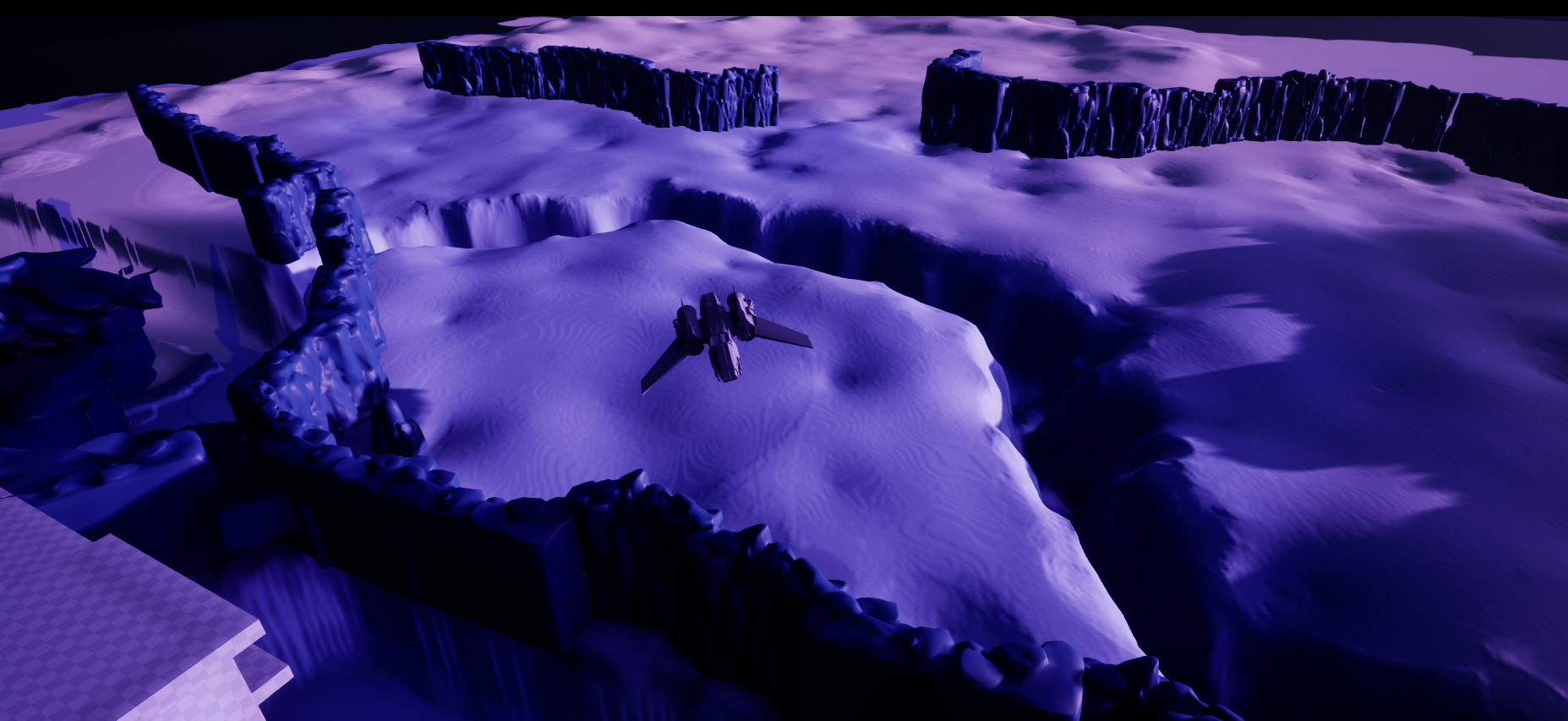
I used terrain for the exterior and cavern part of the level. For the exterior this allowed me to make the environment more natural, and allowed me to create a natural trench to prevent players from leaving the playable area.
To create the main structure of the research lab, I utilized the additive and subtractive BSP geometry and the cube grid tool.

First iteration


Blueprints
Different systems were created to add functionality and progression through the level.
Key and door preview
Relic and Door System
I implemented a key-and-door system in which the player must destroy two floating artifacts to open the door once both are eliminated.
Relic blueprint
Gamemode blueprint


Enemy spawn preview
Enemy Spawns
The enemies spawn by trigger as the player progresses deeper through the room, discovering and destroying artifacts.

AI spawn blueprint
Elevator System
Elevator preview
Between the Lab and the Robotics Testing sections of the level, I implemented a blueprinted elevator system.

Elevator blueprint
Icy Cave
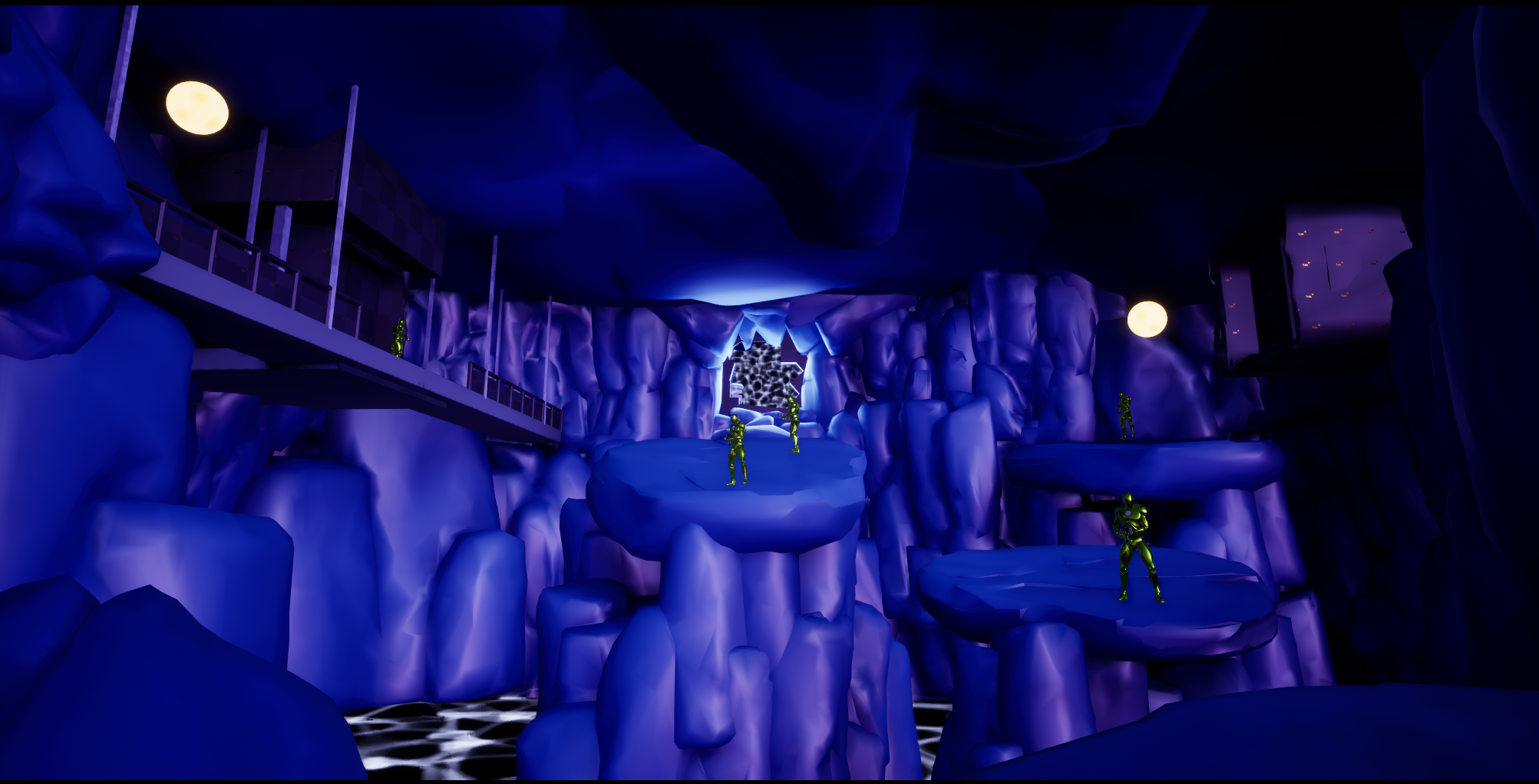
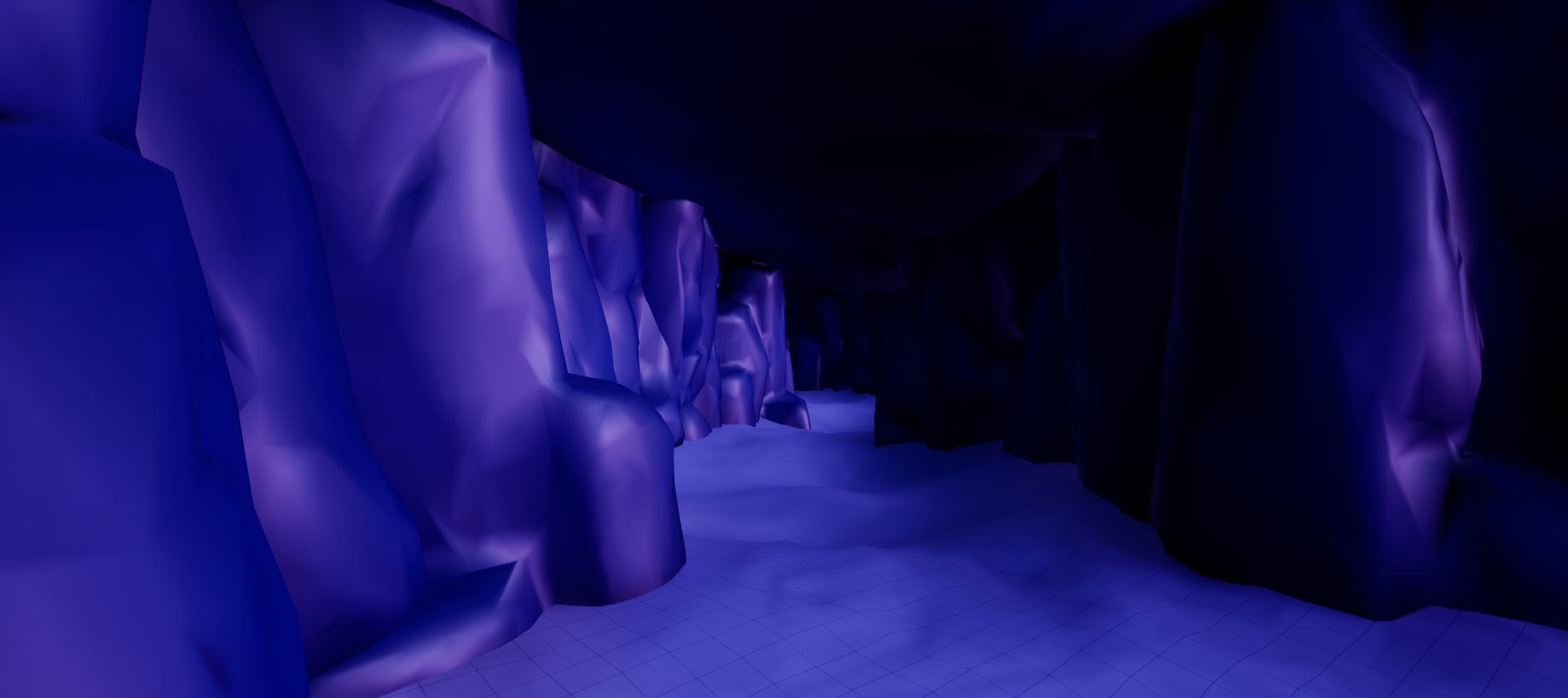
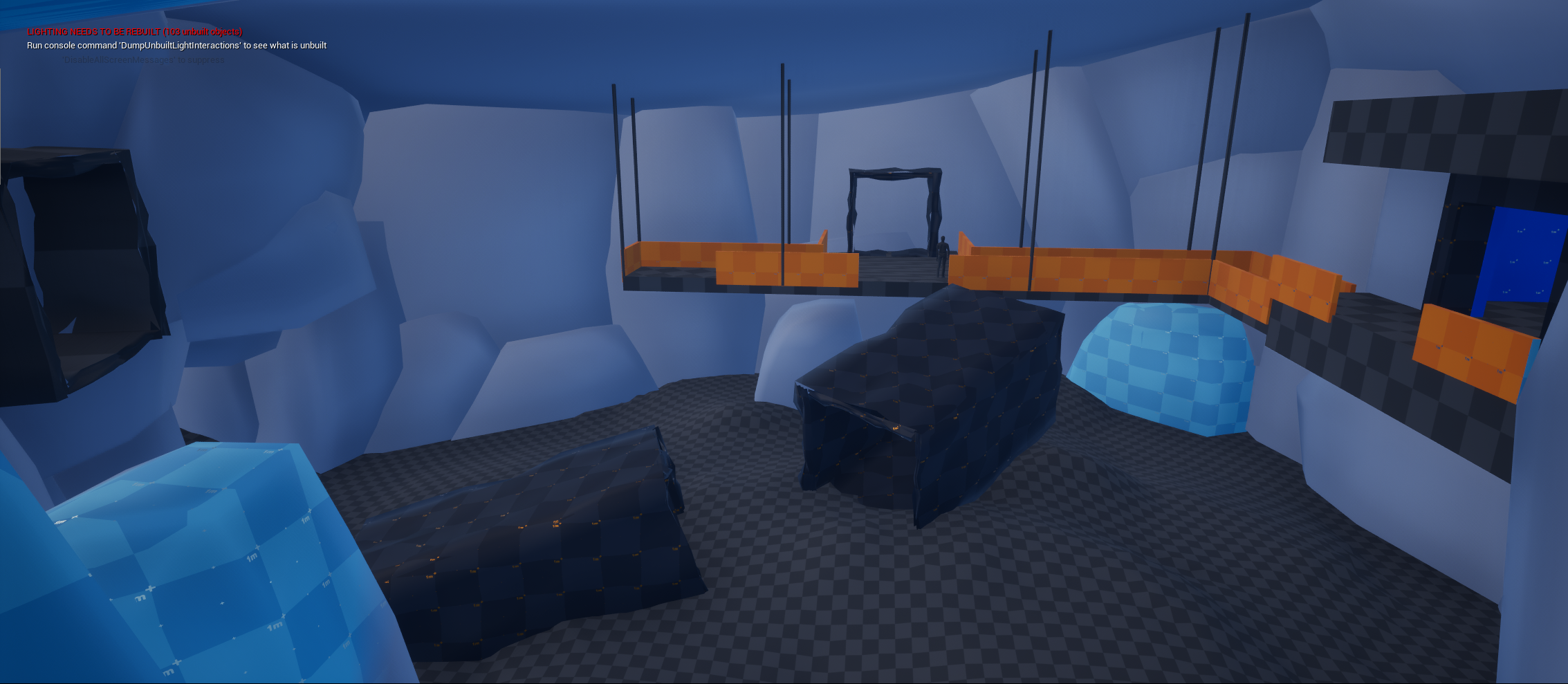
First Iteration
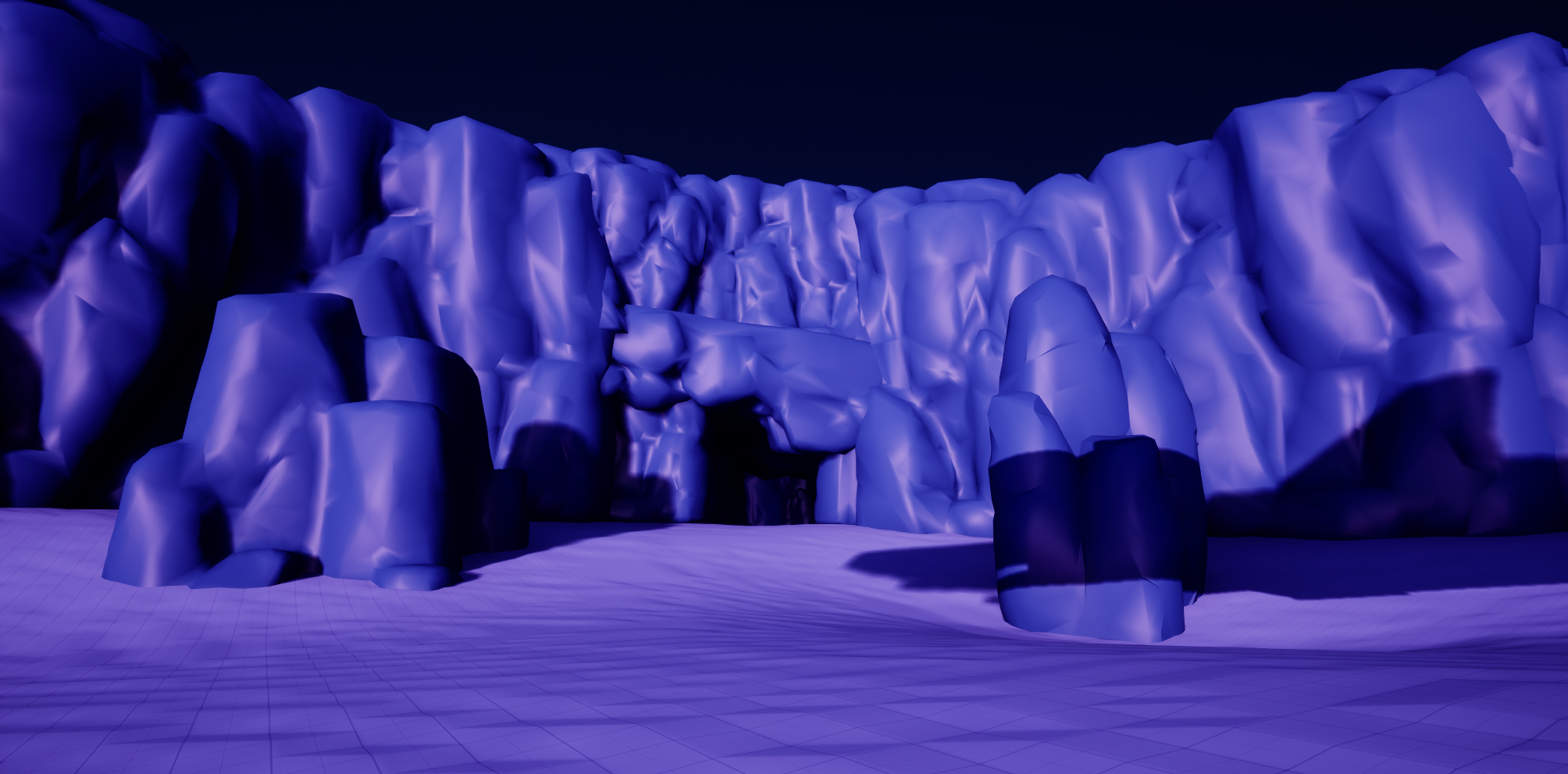
When designing the introductory section of the level, I recognized the need to introduce the core puzzles and encounters that the player would face throughout the rest of the game.
Initially, my goal was to focus the section solely on combat, requiring players to defeat enemies and destroy relics to advance. After multiple playtests and feedback sessions, it became clear that the section lacked a strong identity, and played awkwardly.
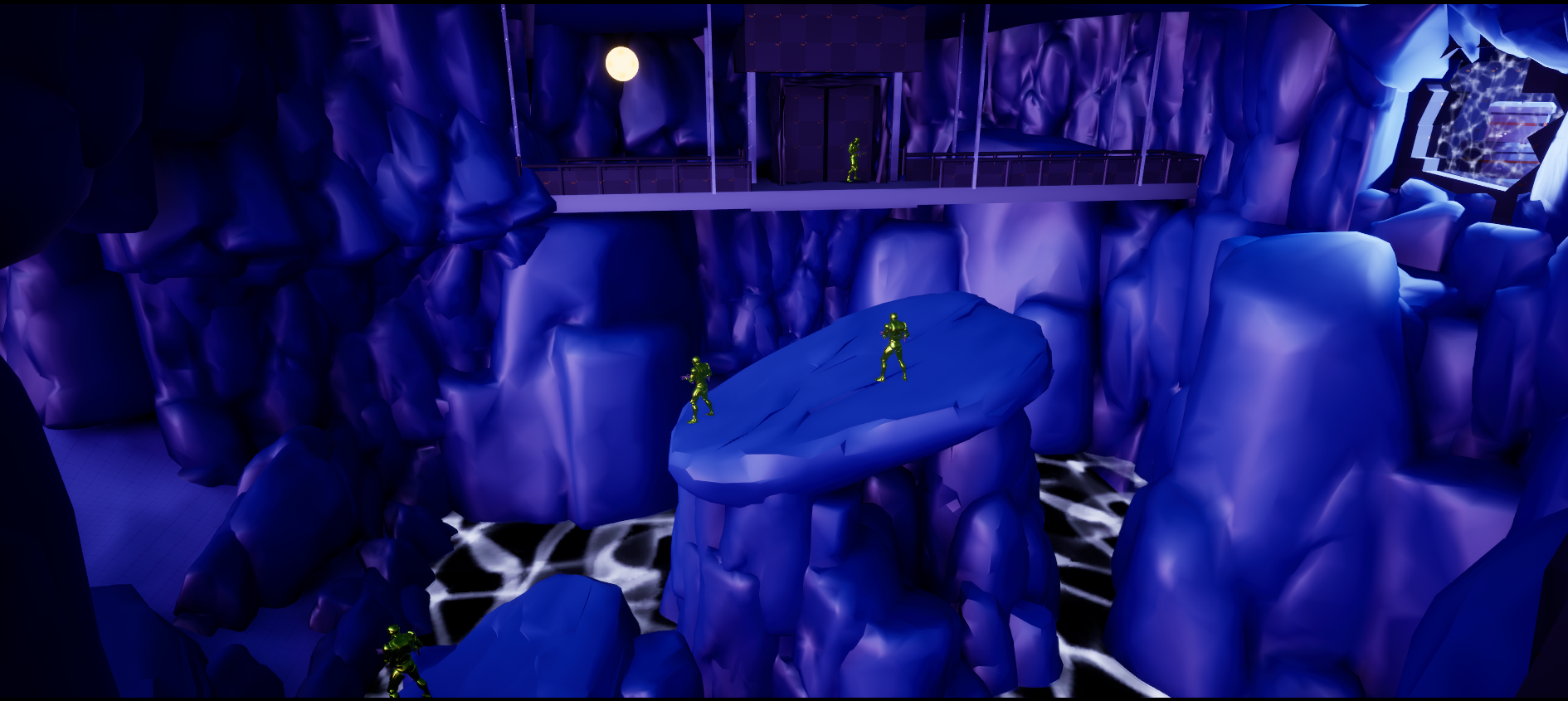
Final Iteration
Enemies were placed in the center and along the sides of the section to provide the player with multiple targets, encouraging situational awareness and target prioritization. I leaned heavier into the parkour structure if this area with a jumping puzzle with clear pathing.
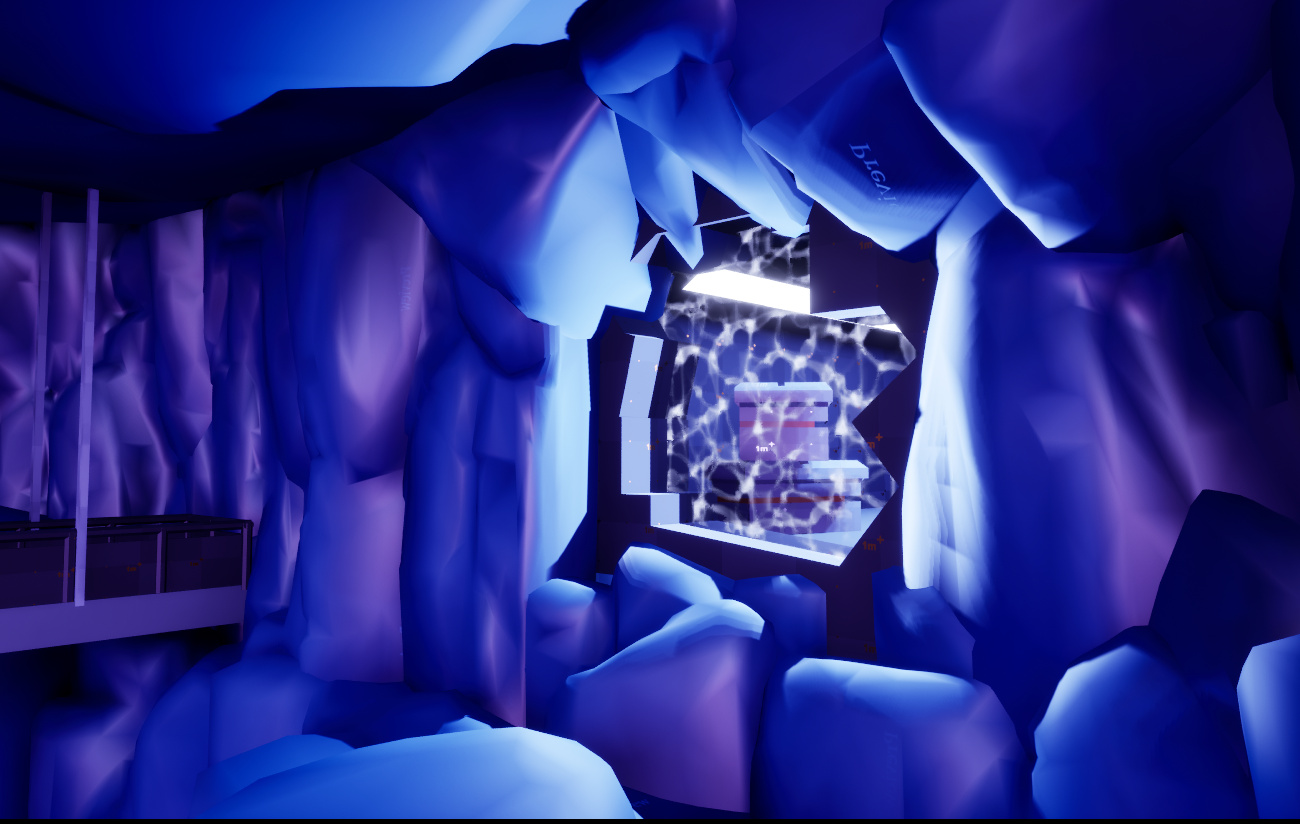
I decided to revise the overall theme so that the enemies appear to have breached the research lab by creating a hole in the side of the storage room.
Lab
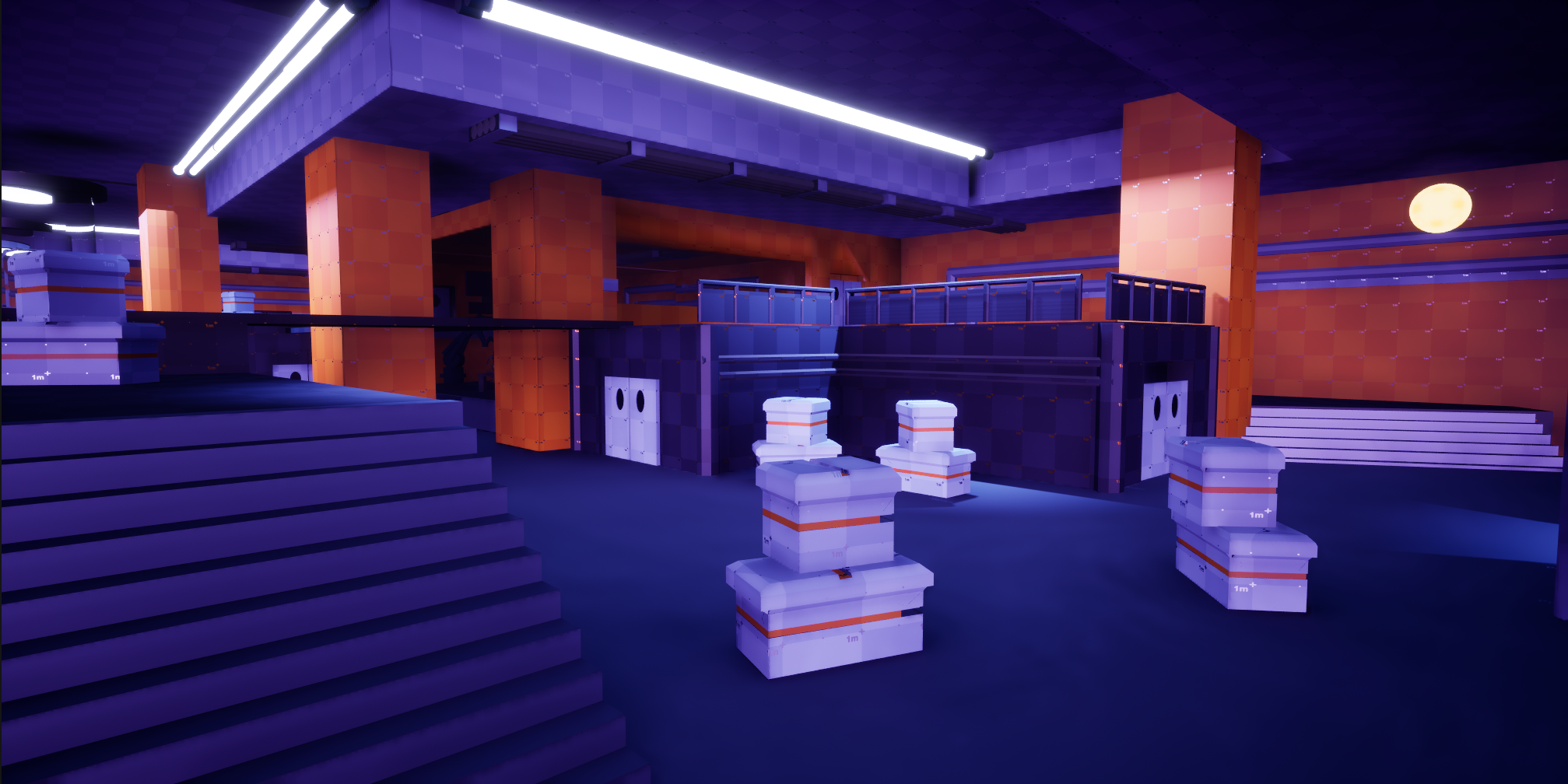
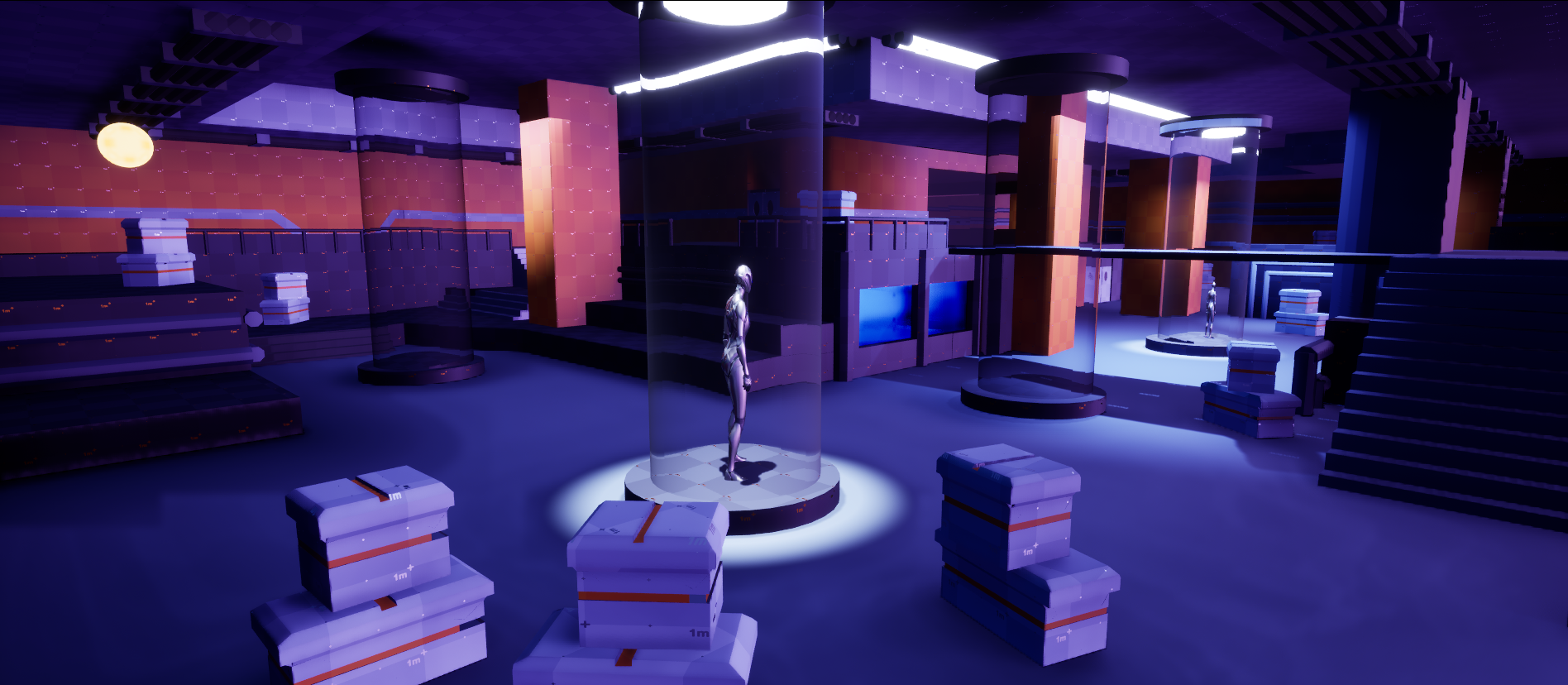
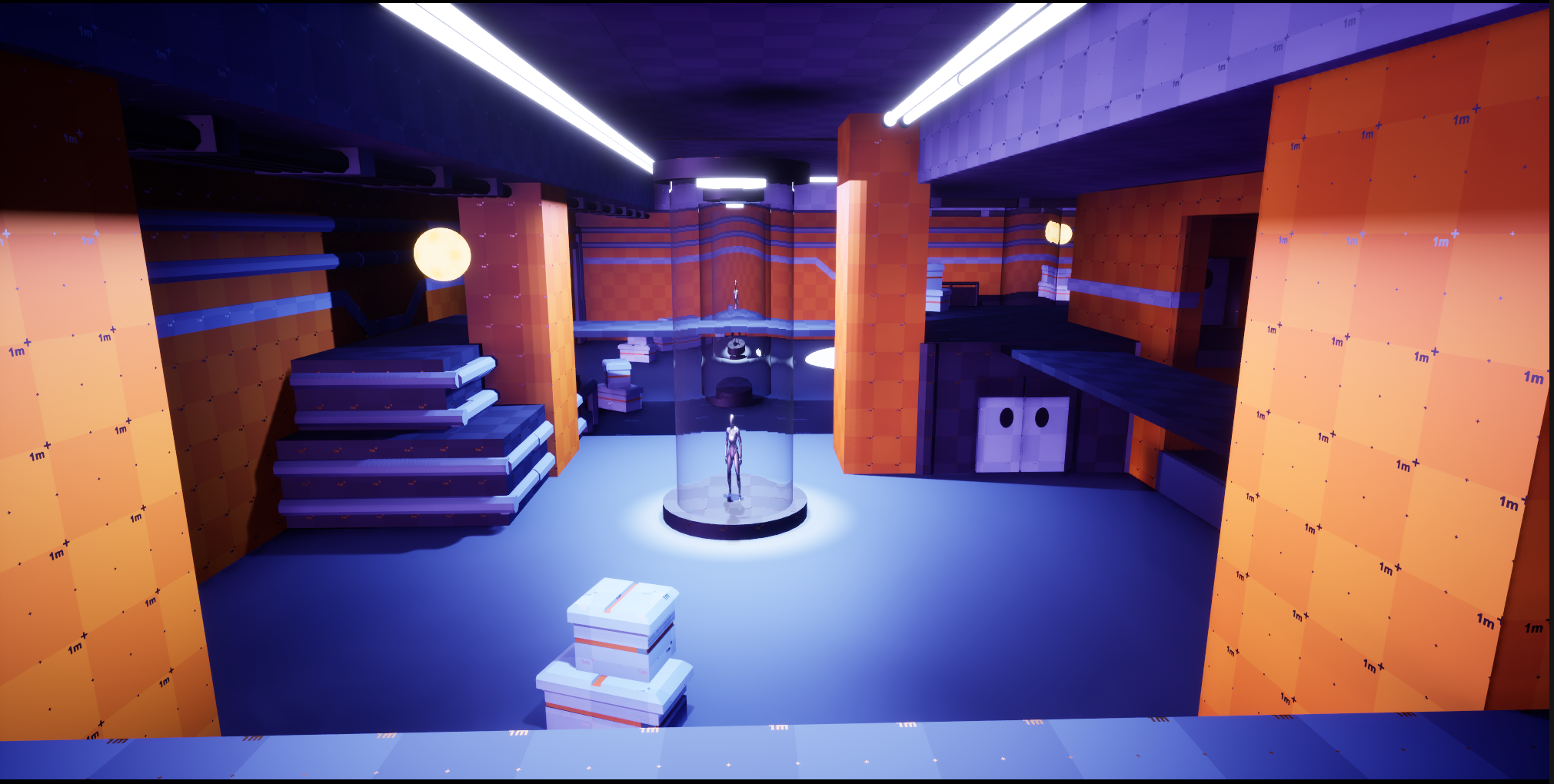
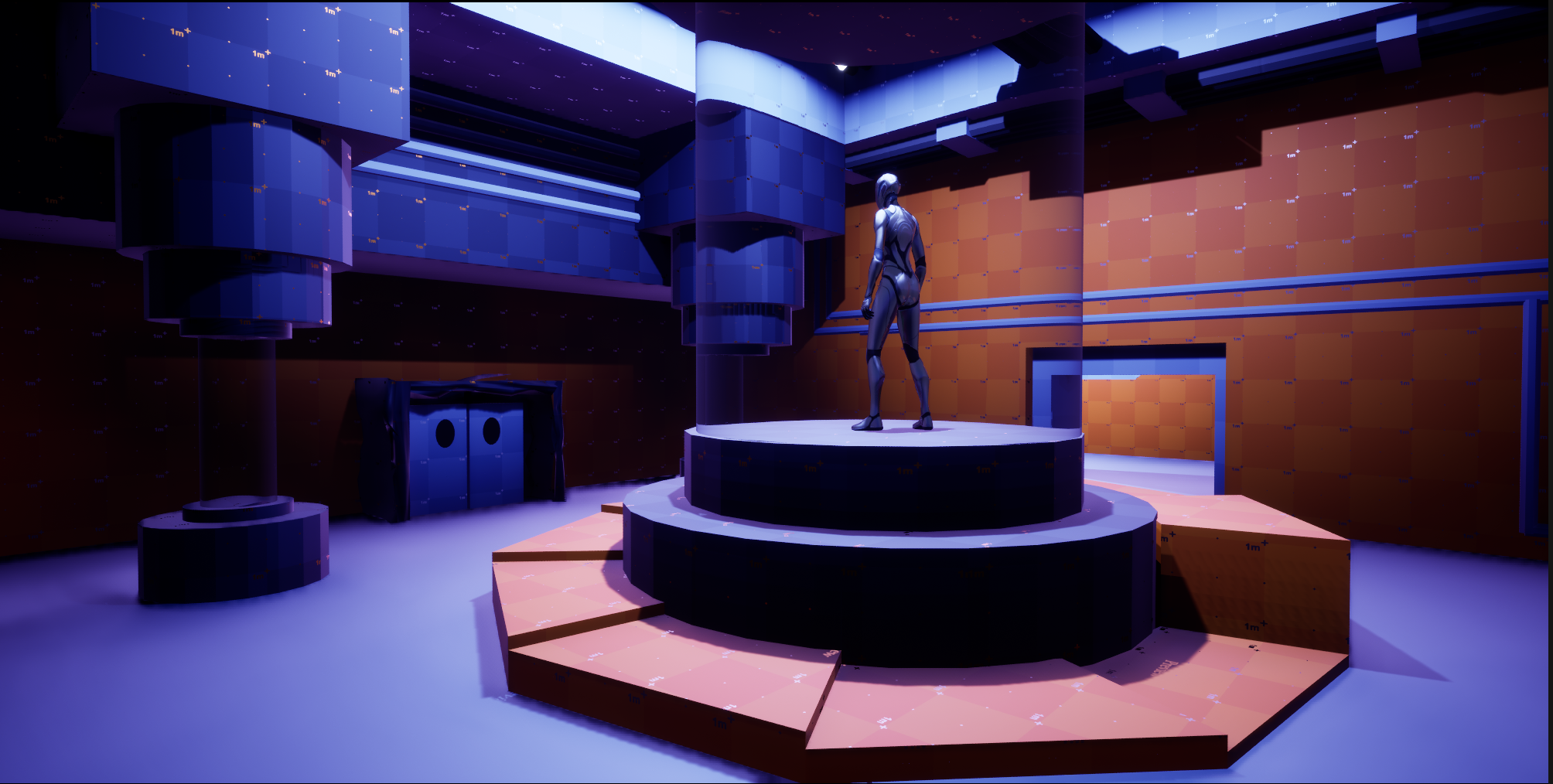
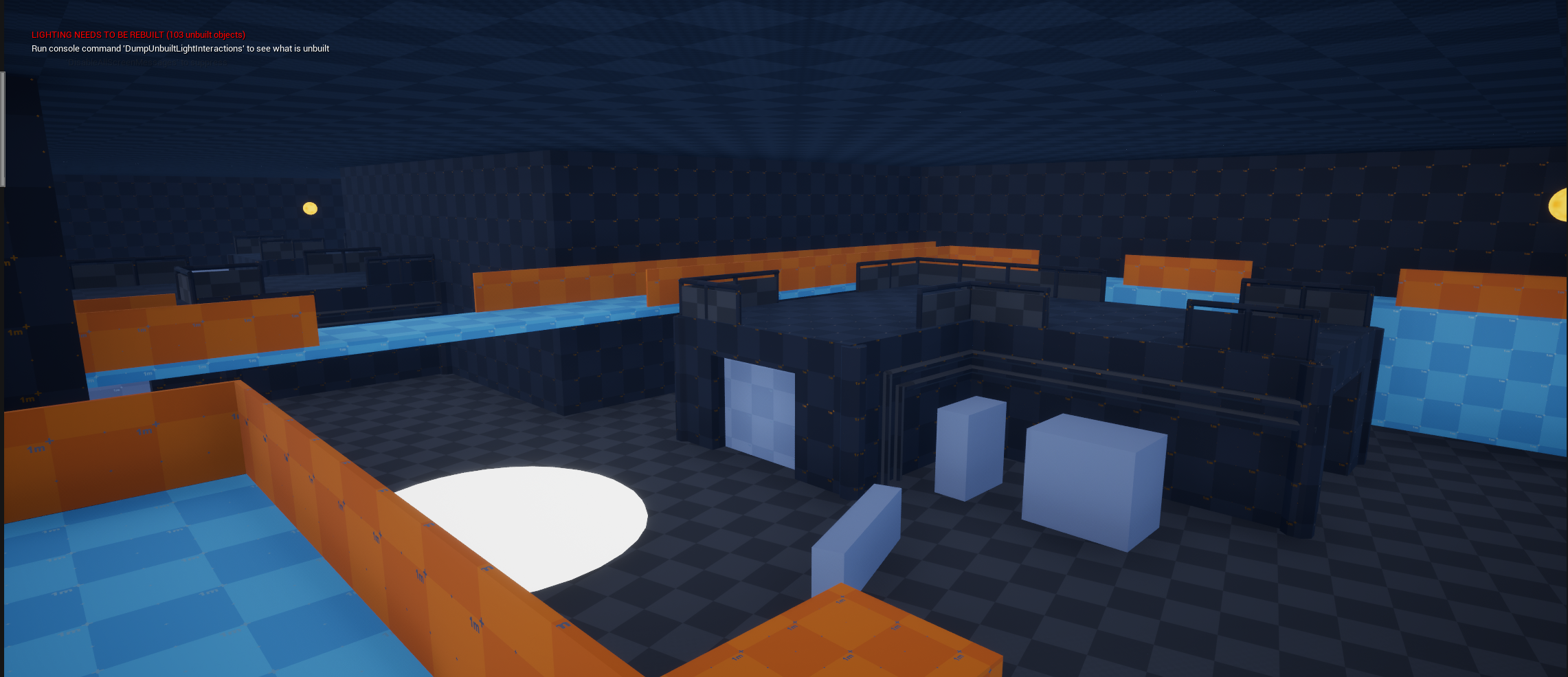
First Iteration
The laboratory section was designed as a skill-based challenge for the player. It features additional relics to destroy and a greater number of enemies to defeat, increasing the difficulty and requiring players to apply the mechanics they learned in the introductory area at a higher level.
After multiple playtests and player feedback, the level lacked some significant cover, identity and elevation changes.
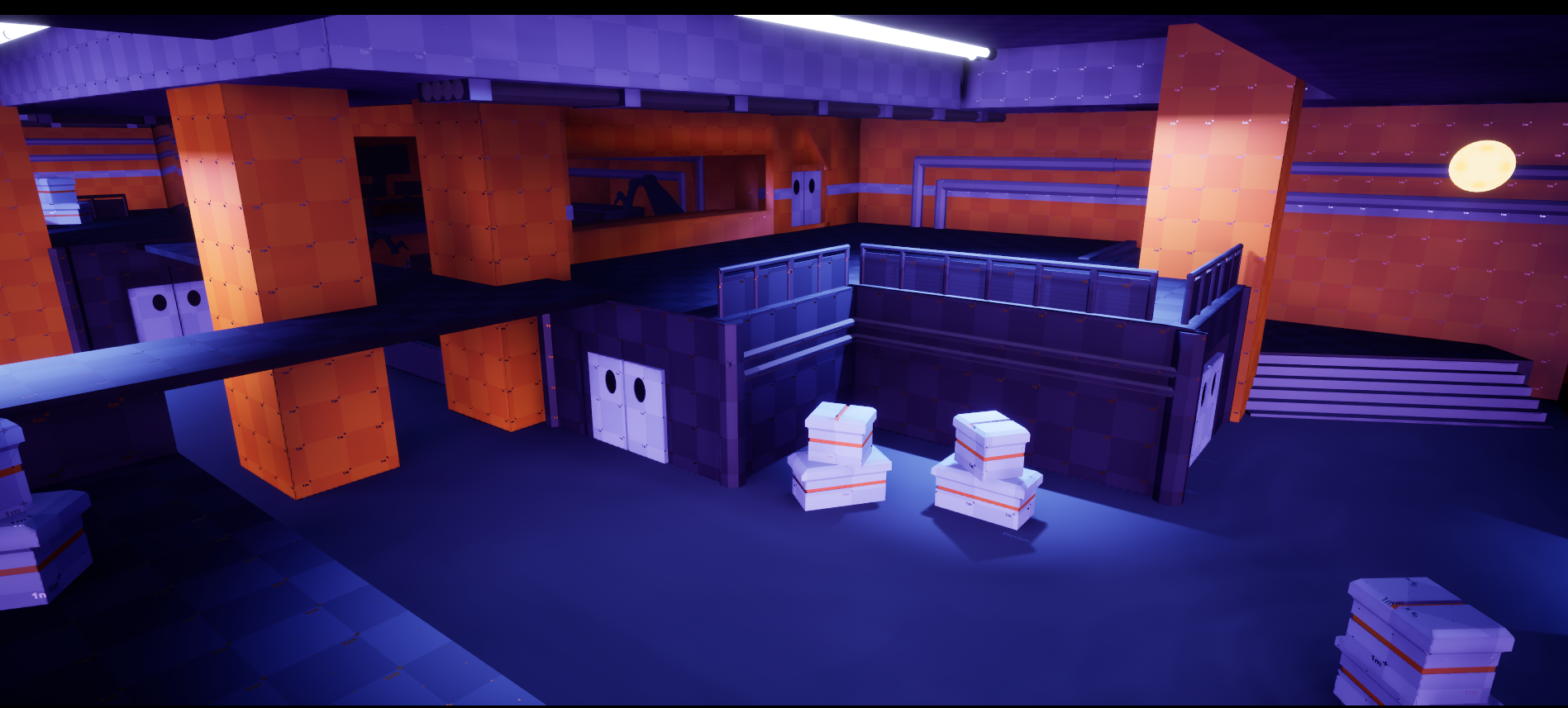
Relic and Enemy Spawn placements
Final Iteration
I added a variation of elevation changes to make gameplay more varied. I removed sections of fencing on the platforms and atop the research station to promote more fluid movement throughout the space. This decision was made to prevent obstructions and support smoother player parkour and traversal during gameplay.
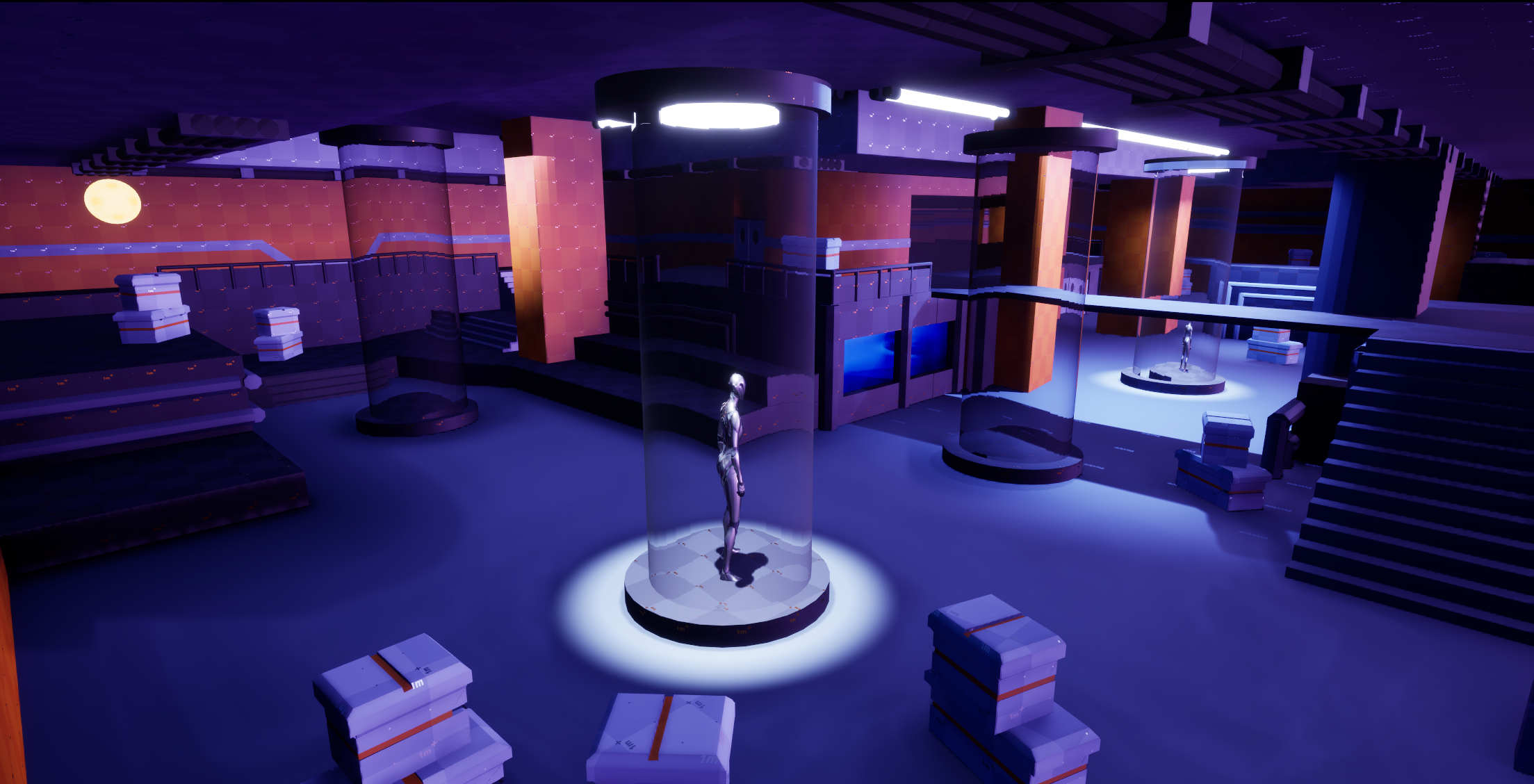
I incorporated a variety of elements to give the room a distinct identity while also providing functional cover. The primary cover points were designed as crates, representing boxed robot parts prepared for use within the facility.
The relics are placed throughout the first, second, and third sections of the lab to guide the player forward and draw them naturally toward the exit door. Enemy spawn triggers are positioned at the entrance of each segment, creating waves of enemies that catch the player off guard and reinforce the feeling of an ongoing onslaught.
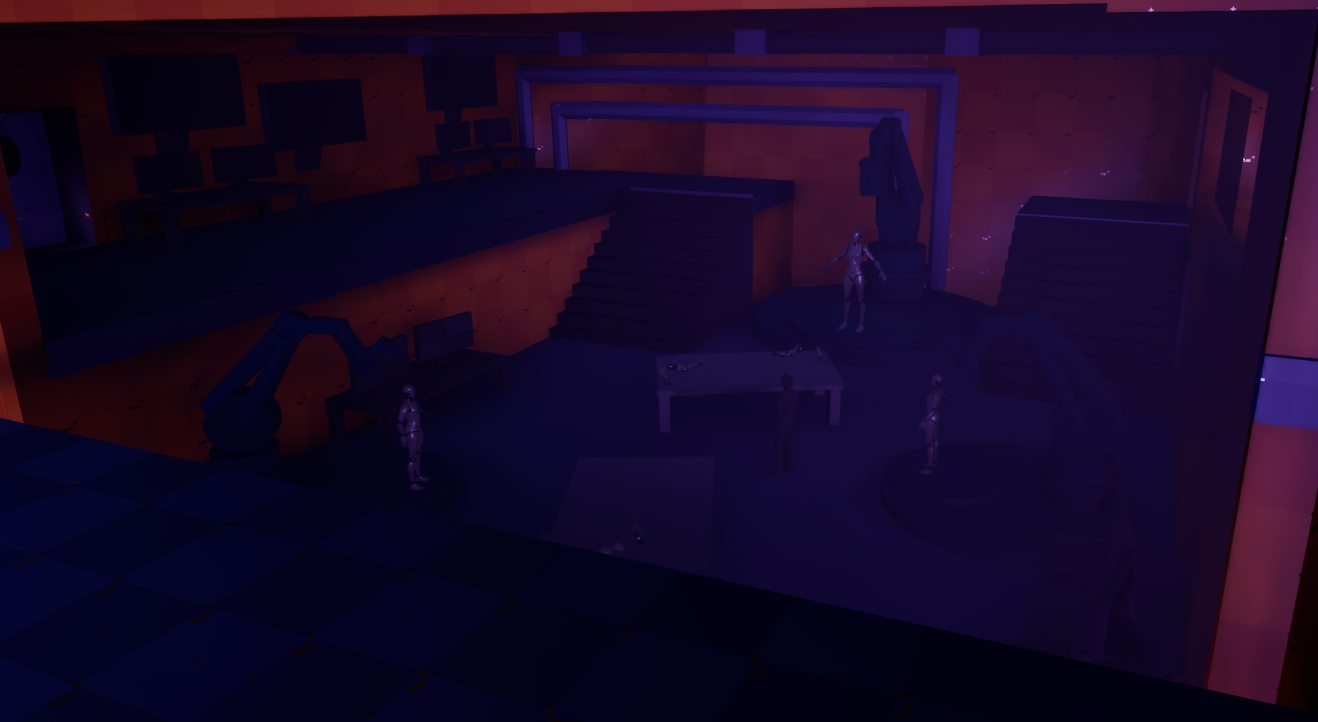
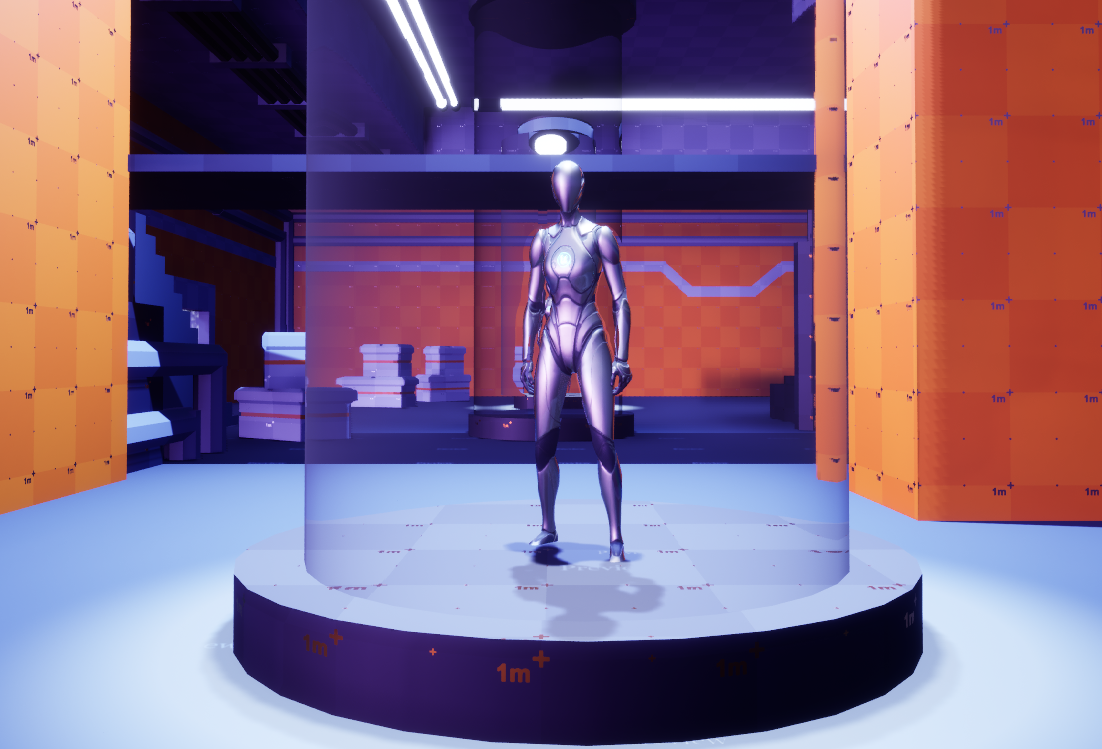
Shadow Box and ROBOTIC DISPLAYS
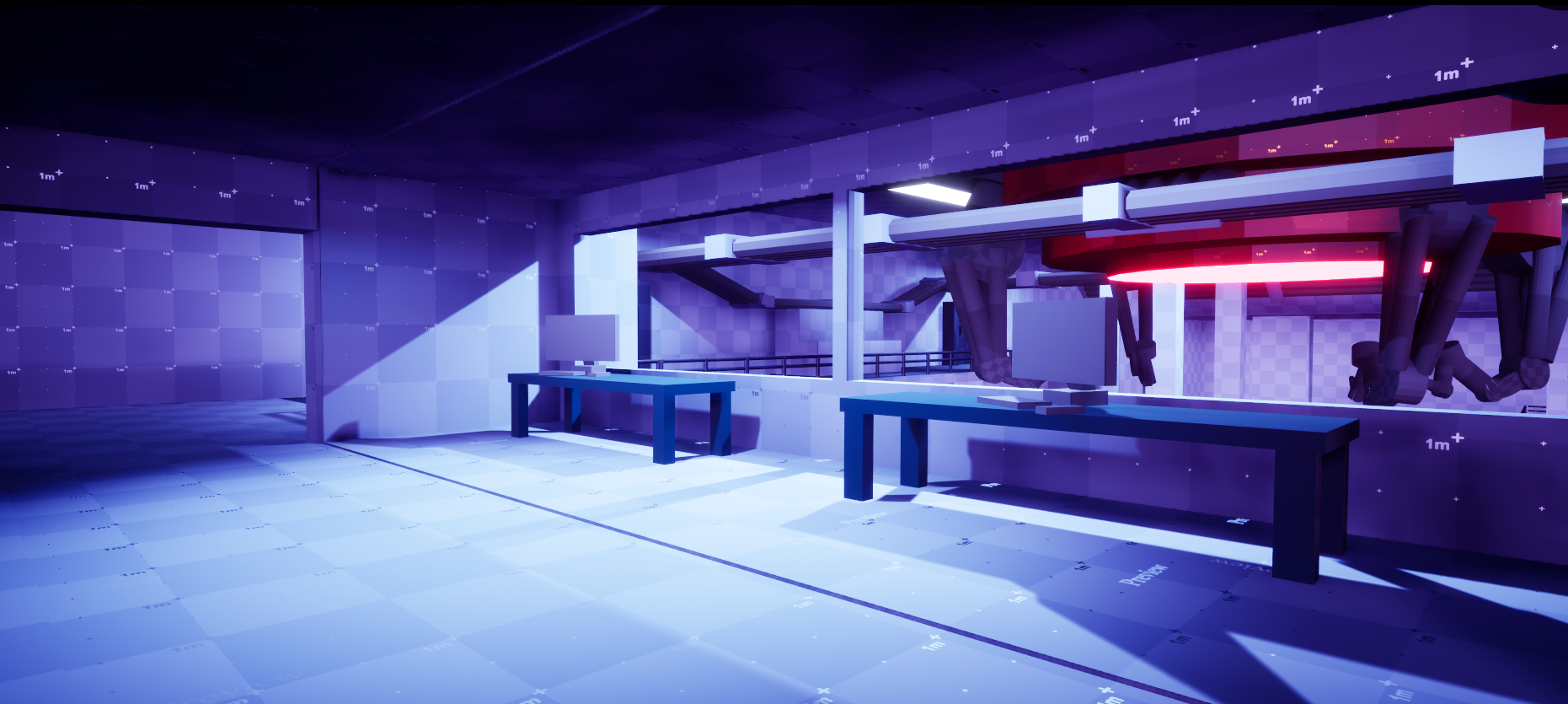
I added a negative space room displaying experimental technology, worktables with robotic components, and computer stations. I also created cubicle structures that serve a dual purpose: they enhance traversal by introducing elevation and cover, and they visually reinforce the room’s role as an active research space.
Robotics Testing
First Iteration
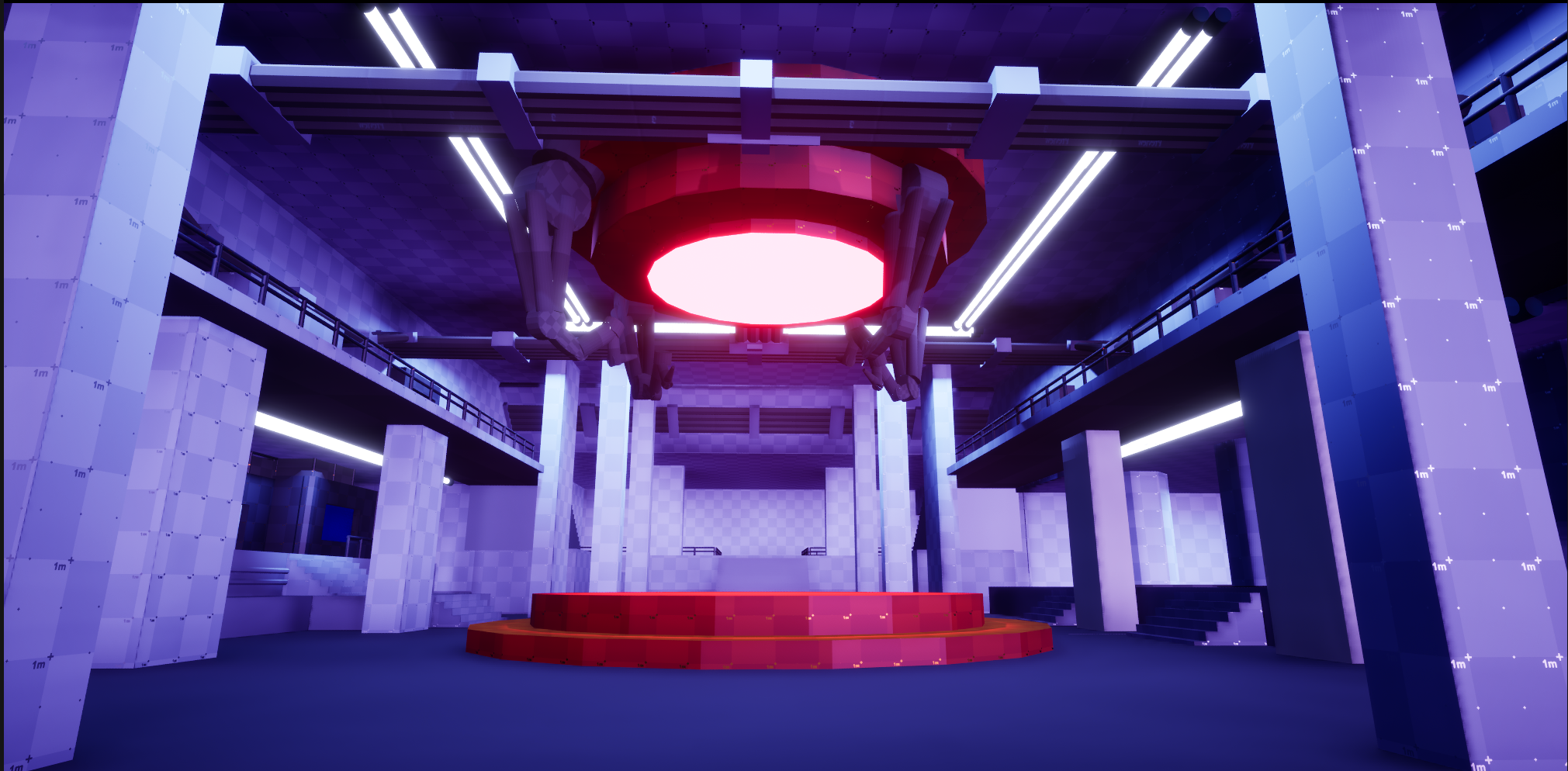
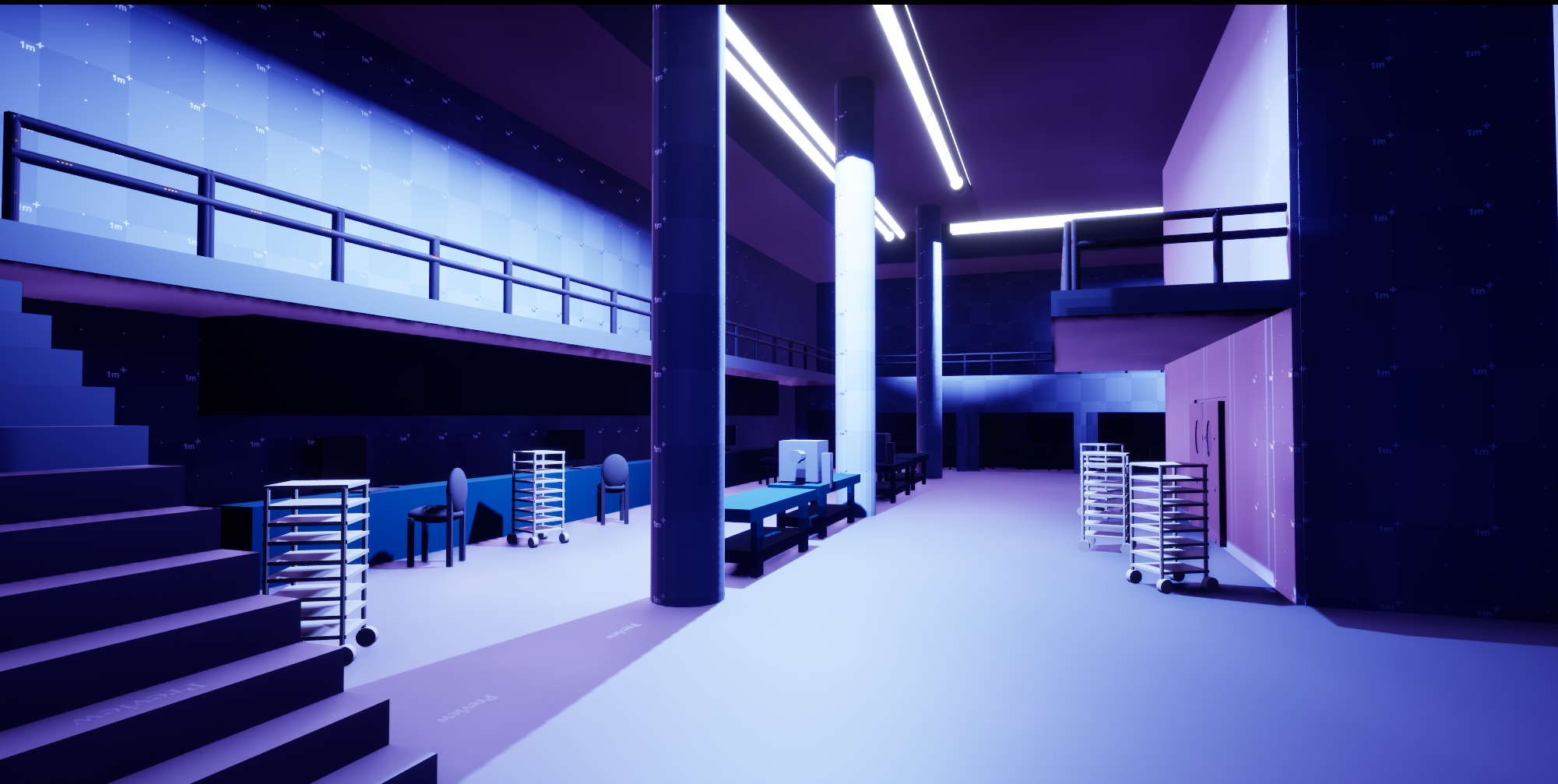
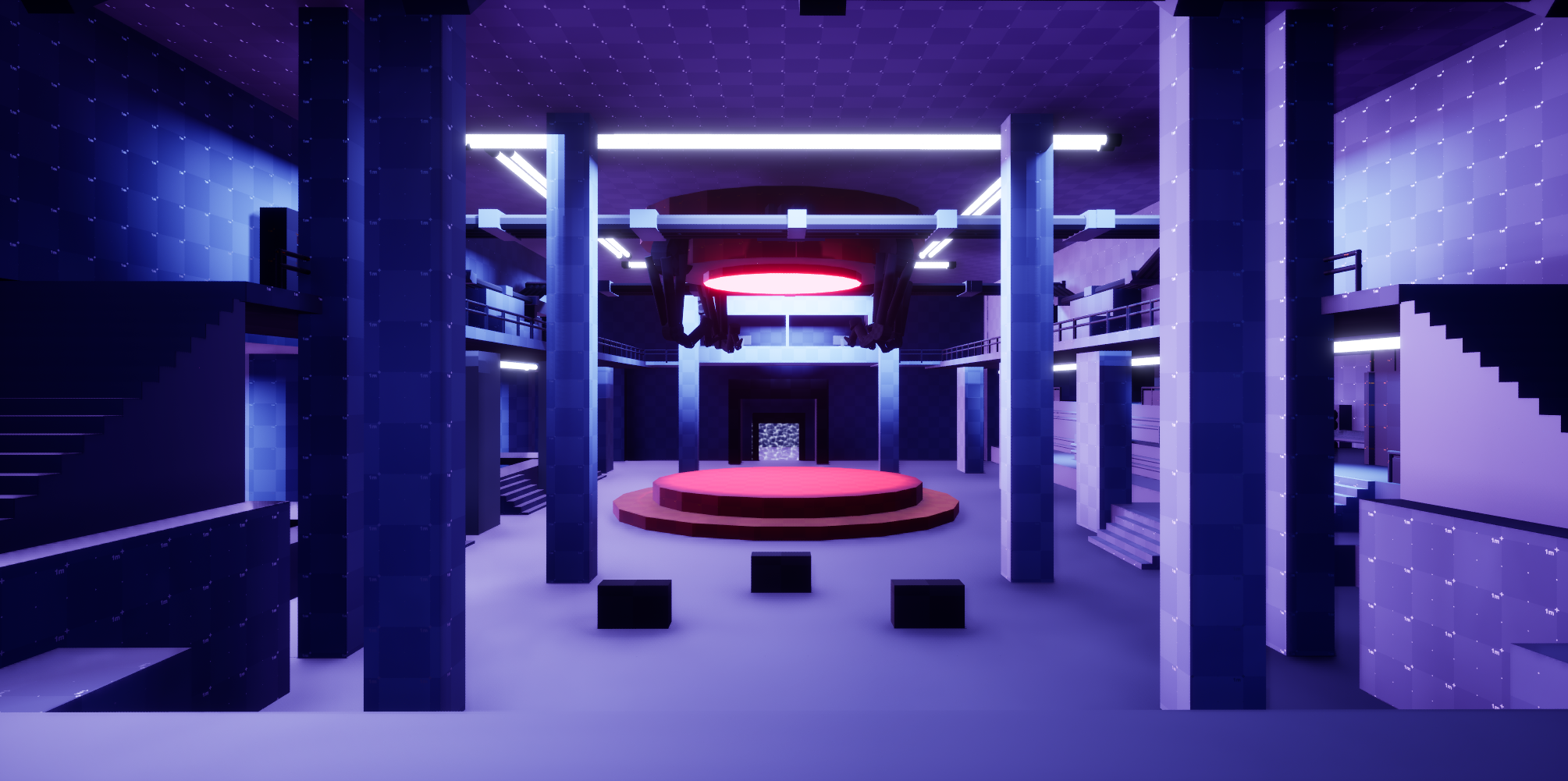
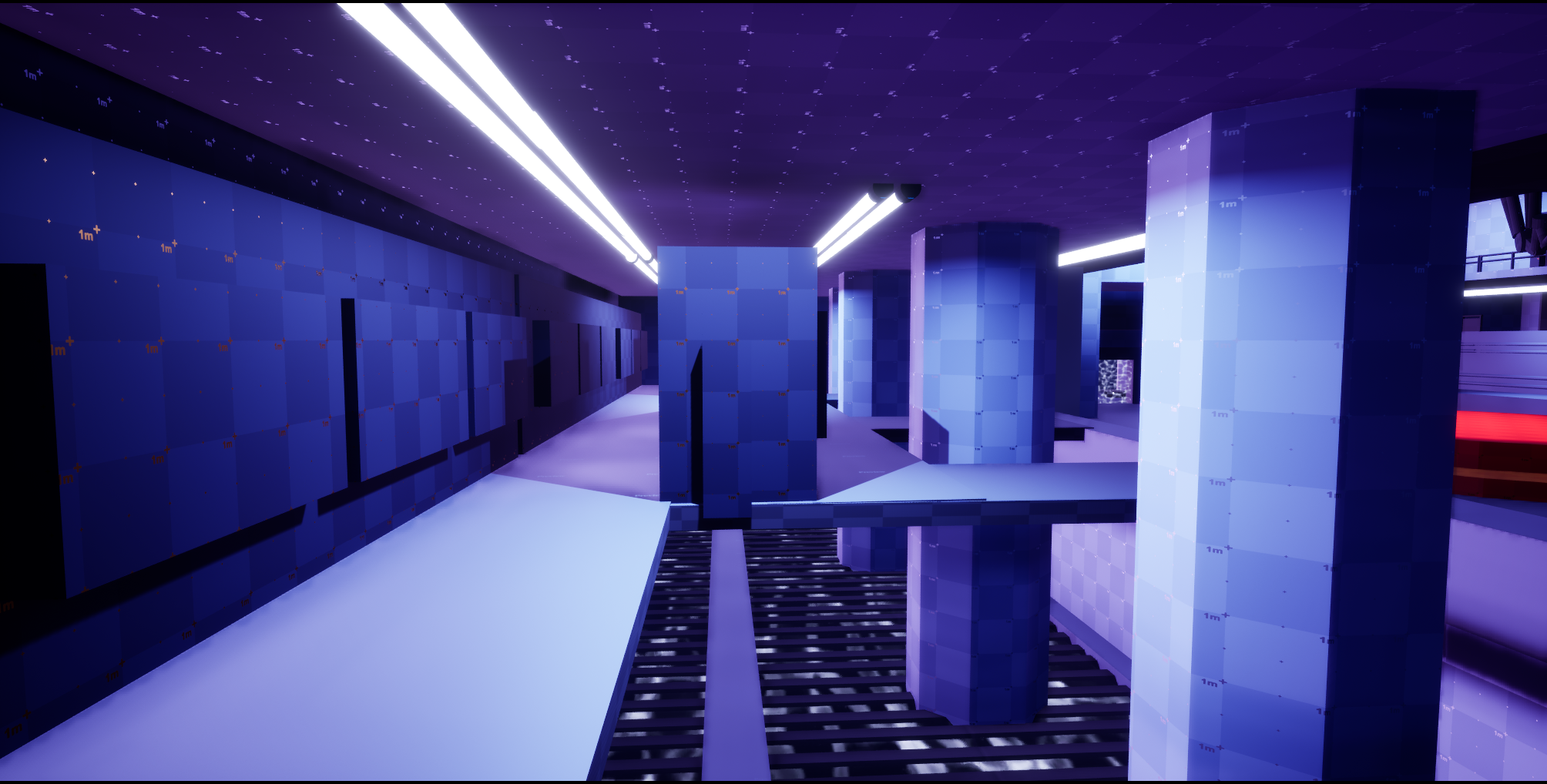
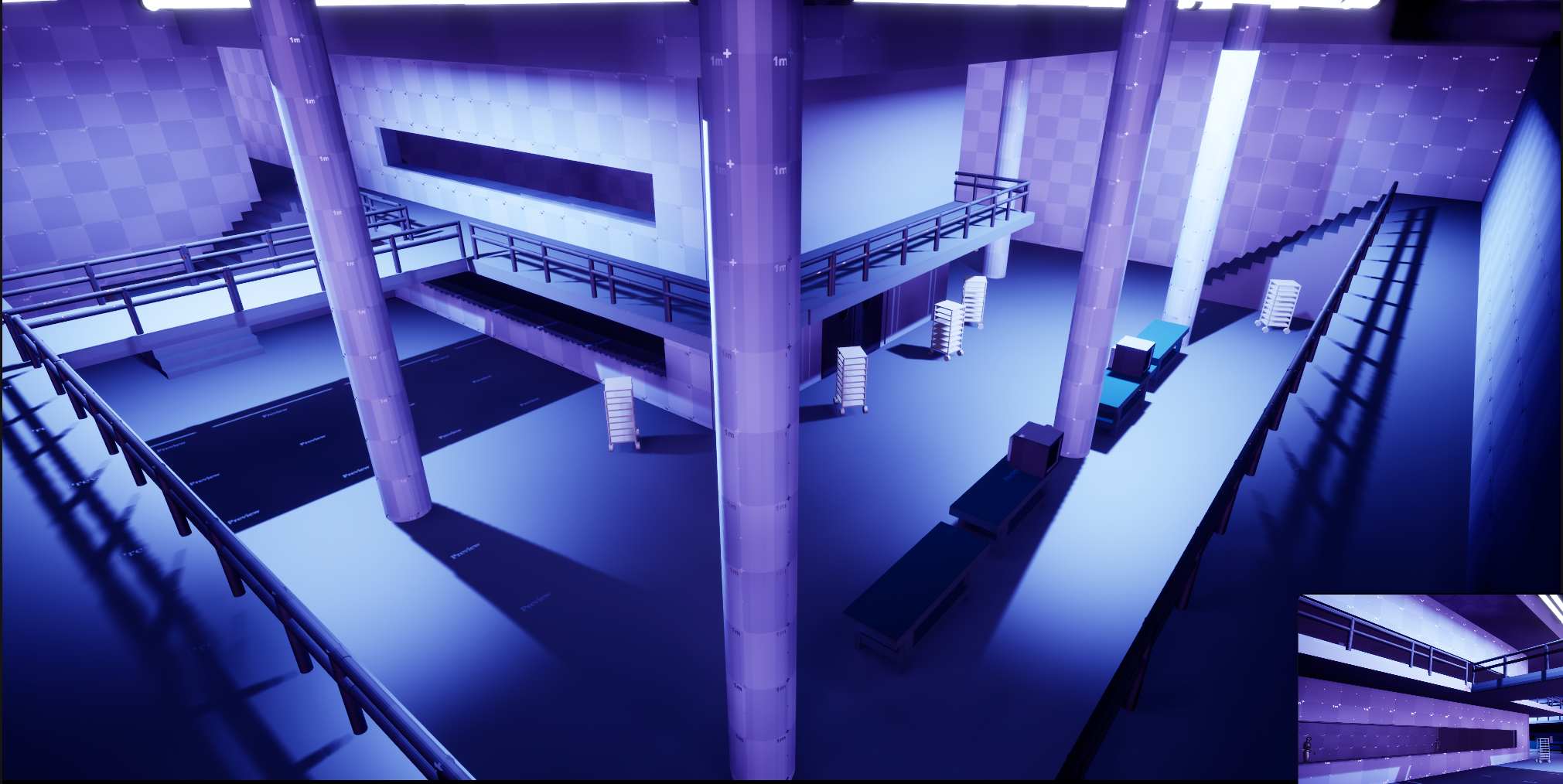
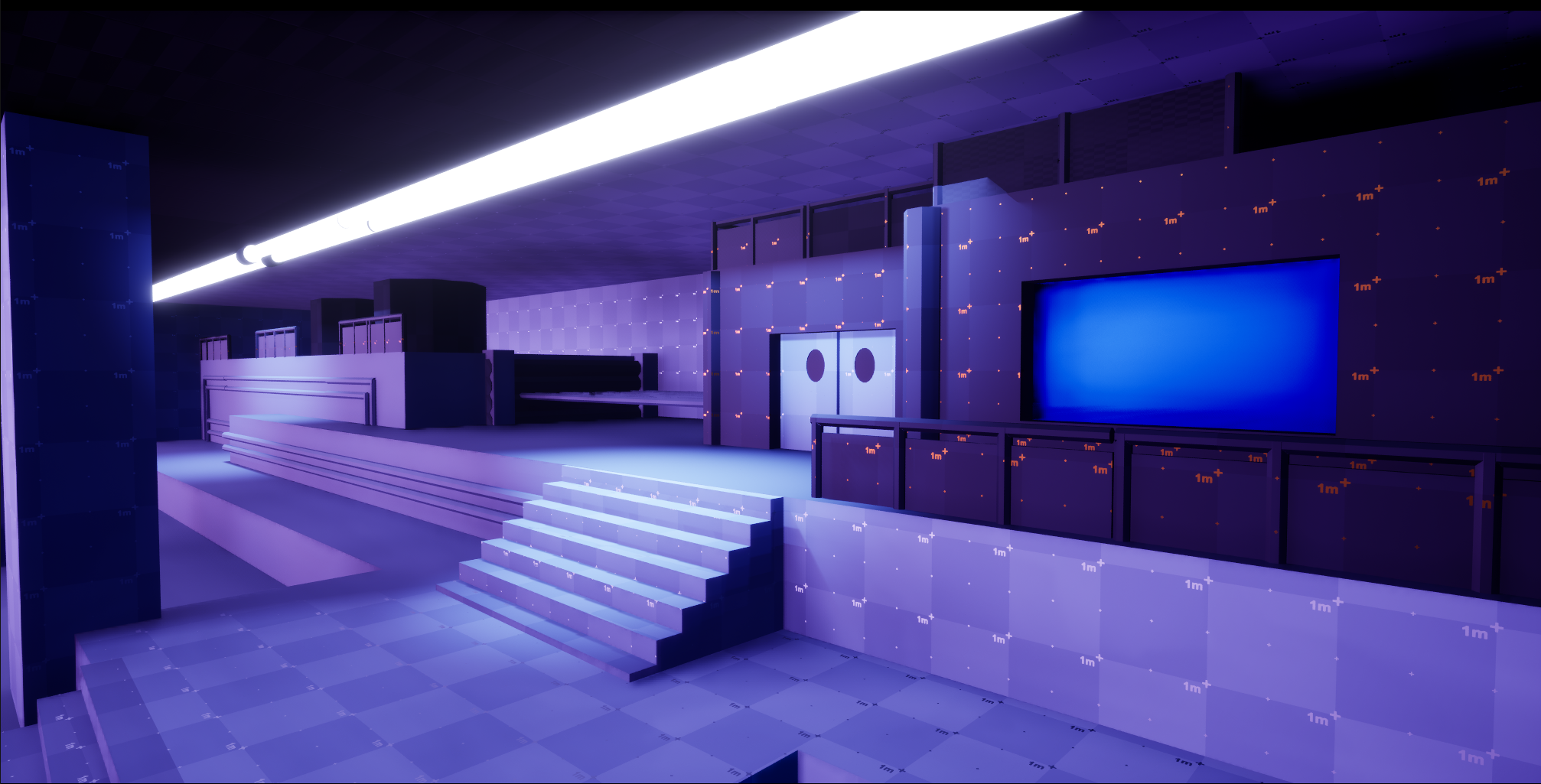
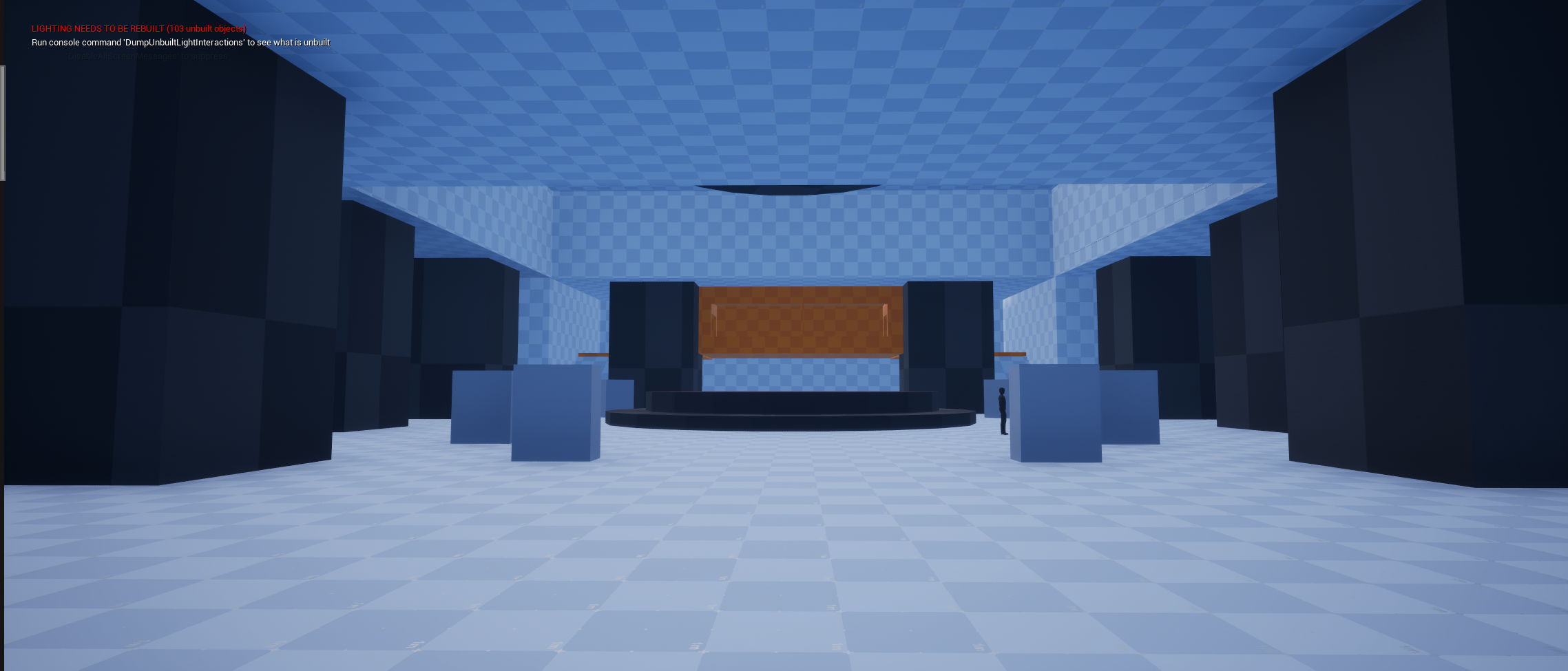
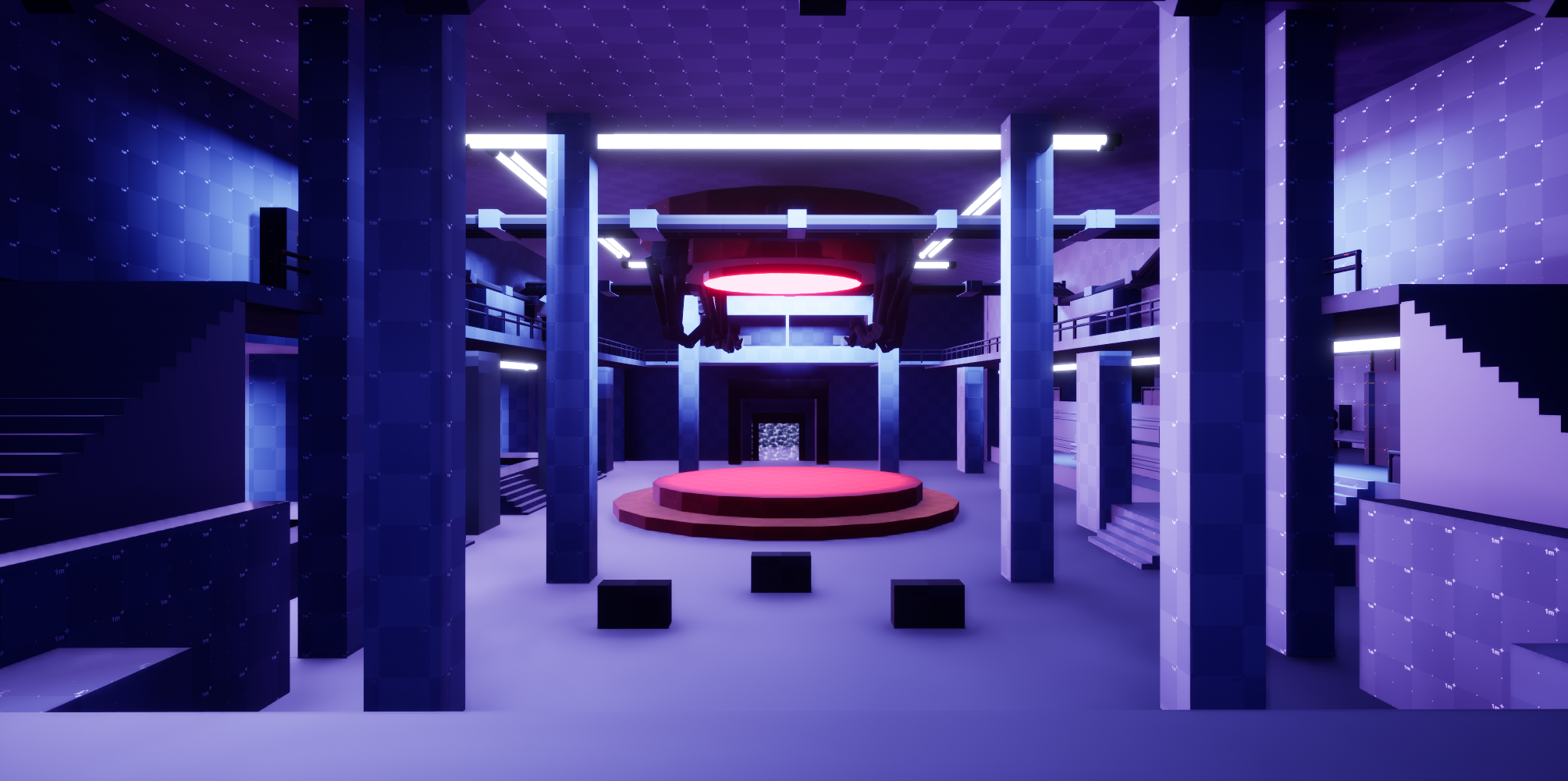
The robotics testing room is divided into four distinct sections, each featuring unique elevation and thematic elements to provide the player with varied traversal options and to reinforce the functional purpose of each area. The initial boss spawn was always intended to be positioned in the center of the room, with various traversal areas surrounding it.
After multiple playtests and feedback, it became clear that the room needed to be considerably larger to provide sufficient space for player movement and additional enemy spawns.
Final Iteration
The room size was increased to better support the intended gameplay experience. I also added more variation of elevation and cover to allow for more movement throughout the space and saftey from attacks.
Enemy Placements
Rank-and-file enemies and the boss are triggered to spawn as the player approaches the central podium.
Progression Door and Chest
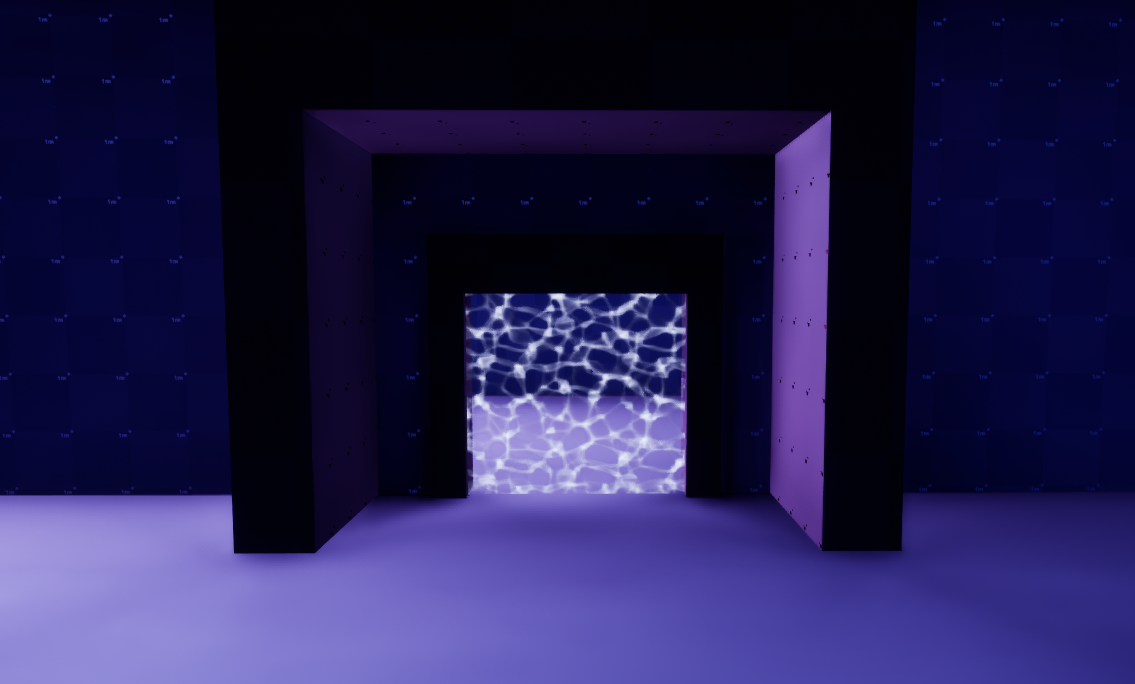
At the end of the testing room, a door can only be opened once the boss has been defeated.